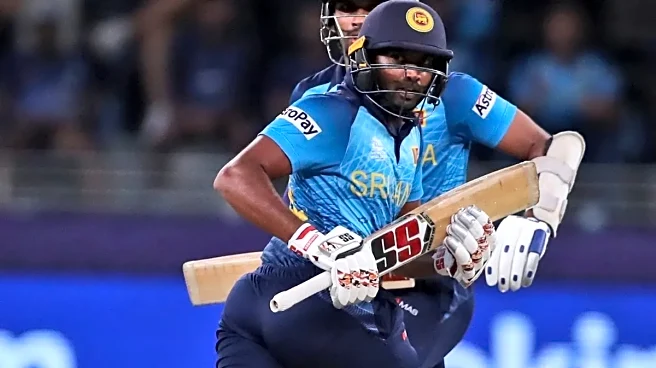



Sri Lanka batter Bhanuka Rajapaksa has triggered fresh debate during the ongoing ICC Men's T20 World Cup 2026 after alleging that Indian players are using bats that generate unusually high power compared to those available to other teams.
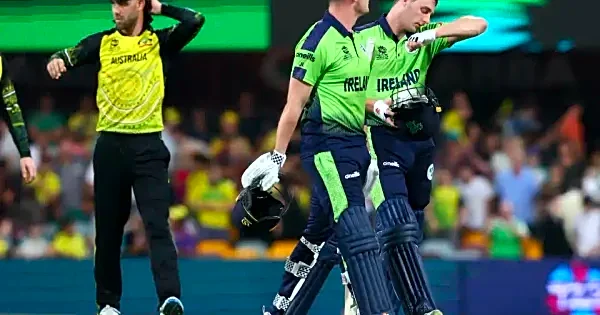
Sri Lanka opened their World Cup campaign with a 20-run win over Ireland in Colombo, but Rajapaksa's comments - made after the match - quickly shifted attention away from the on-field result. Speaking to NewsWire, the left-hander suggested that Indian batters are equipped with bats that offer an unfair advantage.
"Indian players have bats that are far superior to the best bats we get. It feels as though a layer of rubber has been applied. I can't imagine how that's possible. These bats can't even be bought by
others - all players know this," Rajapaksa was quoted as saying.
The remarks, though not accompanied by any formal complaint, have sparked online speculation around bat technology and equipment regulations. Rajapaksa is not part of Sri Lanka's World Cup squad, and neither the Indian team nor the International Cricket Council has responded publicly to the claims so far.
No official complaint, no ICC response
Crucially, no representation has been made to match officials or the ICC regarding bat inspections or equipment violations. Under ICC playing conditions, bats are required to be made solely of wood, with strict limits on dimensions and permissible protective materials. Any foreign or power-enhancing substance inside the blade would constitute a breach and is subject to routine checks during international matches.
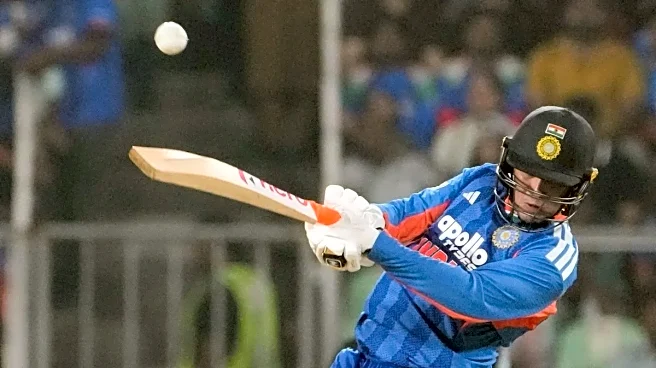
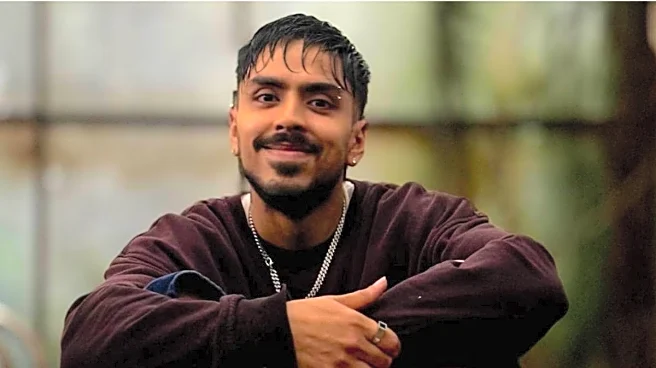
Indian batters, including Abhishek Sharma, have drawn attention this season for their explosive hitting, particularly in subcontinental conditions. Experts have repeatedly pointed to modern bat profiles - thicker edges, higher spines and optimised balance - as legal design evolutions rather than illegal modifications.
A familiar pattern of accusations
This is not the first time Indian cricket has faced such claims during ICC events. During the 2023 ODI World Cup, former Pakistan cricketers had questioned ball conditions after standout performances from Indian bowlers, including Mohammed Shami. Similar accusations ranging from pitch preparation to equipment bias have surfaced periodically, often without formal substantiation.
For now, Rajapaksa's comments remain an allegation rather than an actionable issue. With India continuing their T20 World Cup campaign and preparing to face Namibia in New Delhi on February 12, attention is likely to return quickly to performances on the field - unless the matter is formally raised with tournament officials.
Until then, the debate underscores a recurring tension in modern cricket: where innovation, perception and regulation intersect under the global spotlight.