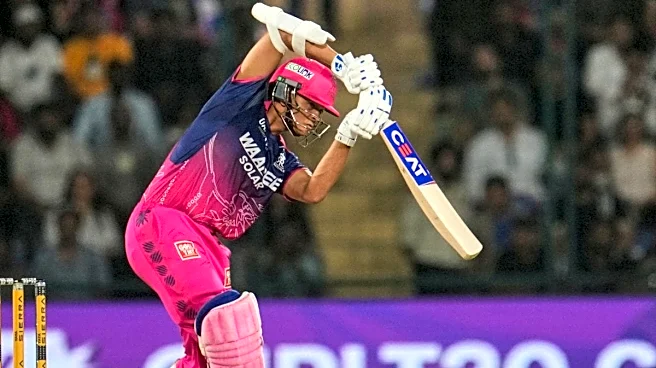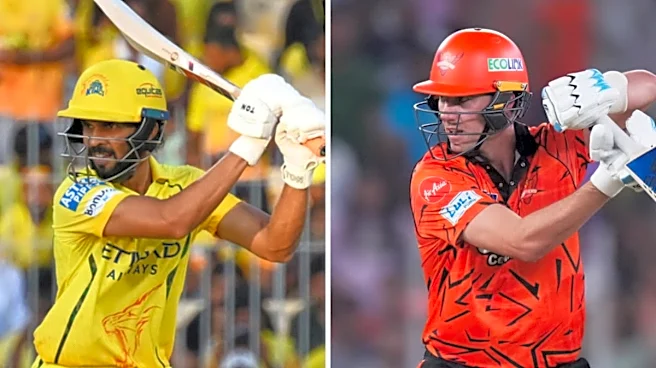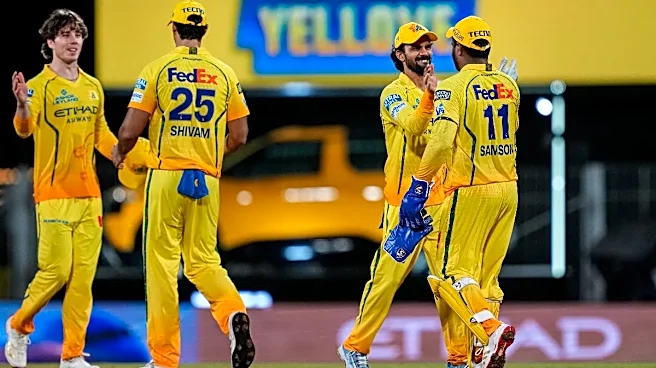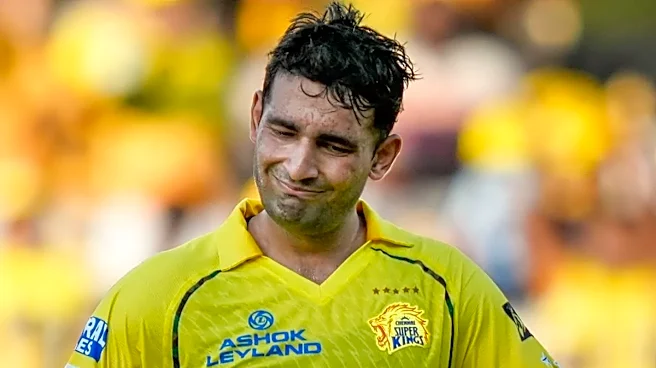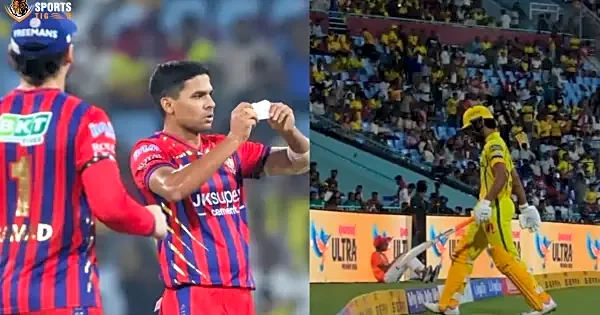

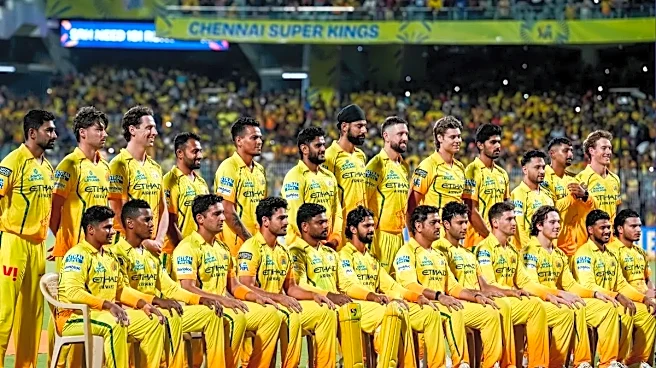
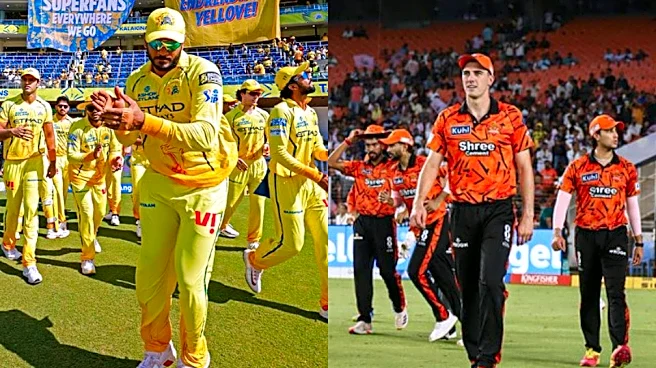
For Chennai Super Kings, IPL 2026 was expected to mark the beginning of a bold new era under . Instead, it has turned into a season filled with uncertainty, tactical confusion, and underwhelming performances - with the captain himself at the centre of the storm.
Gaikwad's struggles this season have gone far beyond a simple dip in form. For a player who built his reputation as one of the IPL's most dependable top-order batters, his sharp statistical decline has directly contributed to CSK's batting collapse and fading playoff hopes.
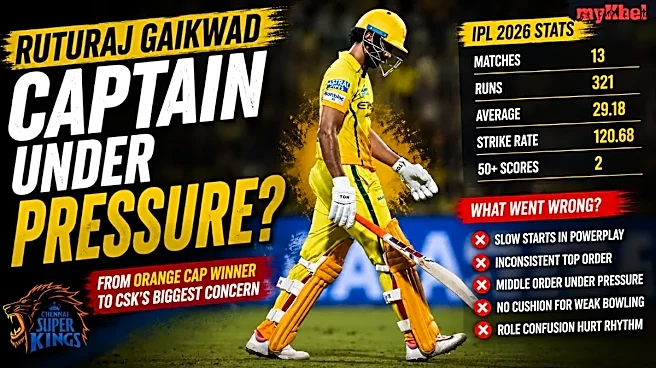
From Orange Cap Winner To A Season of Struggles
To fully understand why Gaikwad's form has hurt CSK so badly, it is important to look at the standards he had established in previous seasons.
This is not an ordinary batter going through a rough patch. Gaikwad is a two-time
IPL-winning core player for CSK, a former Orange Cap winner, and one of the franchise's most technically gifted T20 batters.
However, his IPL 2026 numbers paint a worrying picture.
Ruturaj Gaikwad: IPL Performance Year-by-Year
| Season | Matches | Runs | Highest Score | Average | Strike Rate | 100s / 50s |
|---|---|---|---|---|---|---|
| 2026 | 13 | 321 | 74* | 29.18 | 120.68 | 0 / 2 |
| 2025 | 15 | 263 | 72 | 24.40 | 150.62 | 0 / 2 |
| 2024 | 14 | 583 | 108* | 53.00 | 141.16 | 1 / 4 |
| 2023 | 16 | 590 | 92 | 42.14 | 147.50 | 0 / 4 |
| 2022 | 14 | 368 | 99 | 26.29 | 126.46 | 0 / 3 |
| 2021 | 16 | 635 | 101* | 45.35 | 136.26 | 1 / 4 |
| 2020 | 6 | 204 | 72 | 51.00 | 120.71 | 0 / 3 |
| IPL Career | 84 | 2,823 | 108* | 38.67 | 135.33 | 2 / 22 |
The contrast between 2024 and 2026 is particularly alarming.
In IPL 2024, Gaikwad amassed 583 runs at an average of 53.00 while striking at over 141. This season, his average has dropped to 29.18, while the strike rate has plummeted to 120.68 - numbers that have significantly slowed down CSK's batting tempo.
Slow Starts Crippled CSK's Powerplay
In modern T20 cricket, top-order intent is non-negotiable. A strike rate around 120 at the top of the order can severely damage a team's structure, especially in a tournament where most successful teams attack aggressively during the powerplay.
Gaikwad's traditional batting approach has always relied on assessing conditions early before accelerating later in the innings. But in IPL 2026, that acceleration phase often never arrived.
His 15 off 21 balls against Sunrisers Hyderabad became symbolic of CSK's larger batting struggles. Earlier in the season, his 49-ball half-century against Gujarat Titans was among the slowest fifties of IPL 2026.
These innings repeatedly left the middle order walking into difficult situations with mounting required run rates.
CSK's Middle Order Was Constantly Under Pressure
Gaikwad's struggles had a ripple effect throughout the batting lineup.
With the captain unable to consistently provide quick starts or deep foundations, the middle order was regularly forced into high-risk cricket far earlier than planned.
Sanju Samson, who endured an inconsistent debut season with CSK, rarely received the luxury of batting with scoreboard stability. Meanwhile, the finishing unit repeatedly failed to close tight run chases despite decent starts.
Several matches followed the same pattern - CSK would remain in contention before losing momentum badly in the final overs.
That inability to finish strongly became a recurring weakness throughout the season.
CSK's Fragile Bowling Unit Needed More Support
The biggest issue for CSK was that their batting struggles constantly exposed an already vulnerable bowling attack.
Unlike previous championship-winning seasons where CSK often defended above-par totals comfortably, the 2026 side lacked bowling depth and wicket-taking consistency.
Without an additional cushion of 15-20 runs from the top order, opposition batting units repeatedly chased targets down comfortably.
The problem was perfectly illustrated when Lucknow Super Giants chased down 187 against CSK in just 16.4 overs.
For a side whose bowling attack was already under pressure, the conservative starts from the batting unit proved extremely damaging.
Role Confusion Added To The Problems
Beyond form, another major issue was the lack of clarity surrounding Gaikwad's batting role.
Early in IPL 2026, the CSK captain shuffled between opening the innings and batting at number three. The constant tactical adjustments created instability not only for Gaikwad but also for the rest of the batting lineup.
For a rhythm-based batter, such changes appeared to disrupt confidence and continuity.
More importantly, the tactical indecision reflected poorly on the team's overall planning.
When the captain himself appears uncertain about his ideal batting role, it inevitably affects the dressing-room environment and team balance.
Instead of imposing authority over the tournament, Gaikwad spent much of the first half of the season searching for his own rhythm and identity within the lineup.
A Difficult But Important Learning Curve
Despite the criticism, IPL 2026 could still become an important learning phase in Gaikwad's captaincy journey.
At 29, he remains one of India's finest white-ball batters and still possesses the technical quality to return strongly. However, this season exposed how leadership pressure, tactical indecision, and loss of form can quickly destabilise even elite players.
For CSK, the bigger concern is that the franchise often looked directionless during crucial moments - something rarely associated with their most successful eras.
And unfortunately for Gaikwad, his underwhelming batting numbers became the clearest reflection of that decline.