
/images/ppid_59c68470-image-17827400306534870.webp)


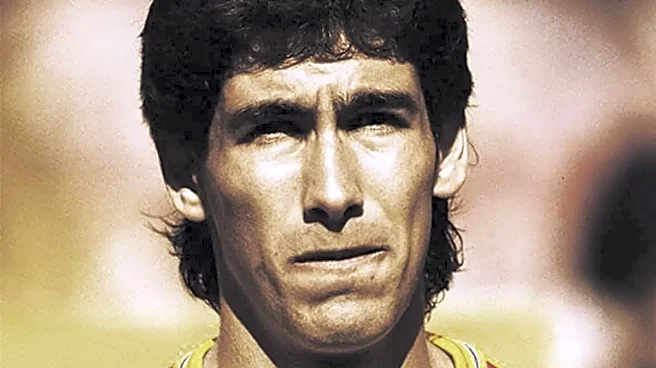
Colombia defender Andres Escobar was murdered days after the 1994 FIFA World Cup, but his family hopes he is remembered for far more than an own goal.
Thirty-two years after one of football's darkest tragedies, the family of Andres Escobar is urging the world to remember the Colombian defender not for the own goal that became synonymous with his death, but for the man he was.
Escobar was shot and killed on July 2, 1994, just days after Colombia's elimination from the FIFA World Cup in the United States. He was 27 years old.
Ahead of the anniversary of his death, his brother Santiago Escobar reflected on the lasting grief of losing Andres and the legacy he hopes endures.
"I don't understand the death of a person who only did what he loved most, which
was play football, entertain people, give joy to his fans, and give everything for his country, for his city. "
The own goal that became part of football history
Colombia entered the 1994 FIFA World Cup as one of the tournament's dark horses after a stunning qualifying campaign that included a famous 5-0 victory over Argentina in Buenos Aires.
However, after losing their opening match to Romania, Colombia desperately needed a result against hosts USA.
During that match on June 22, 1994, Escobar attempted to intercept a dangerous cross but inadvertently diverted the ball into his own net. Colombia eventually lost 2-1 and crashed out in the group stage.
While the own goal became one of the most infamous moments in World Cup history, it was never the full story.
Why Andres Escobar was murdered
For years, Escobar's death was often portrayed simply as revenge for the own goal.
Historians and investigators, however, have since pointed to a far more complex reality.
Escobar was killed in MedellÍn amid Colombia's turbulent era of organised crime, illegal gambling and widespread violence. Investigations suggested the murder stemmed from a combination of football-related tensions and the country's dangerous criminal environment rather than a single sporting mistake.
The tragedy nevertheless became a global symbol of how football can intersect with violence in devastating ways.
'Life doesn't end here'
One of the most enduring parts of Escobar's legacy came after Colombia's World Cup exit.
Rather than hiding from criticism, he wrote a newspaper column encouraging Colombians to stay united and move forward despite the disappointment.
His message ended with the now-famous words:
> "Life doesn't end here. "
Those would become the final public words of a player widely admired for his humility, professionalism and sportsmanship.
More than an own goal
Nicknamed "The Gentleman" for his calm personality and clean style of defending, Escobar was regarded as one of the leaders of Colombia's golden generation alongside stars such as Carlos Valderrama and Faustino Asprilla.
More than three decades later, memorials, documentaries and annual tributes continue to celebrate his life rather than the mistake that came to define headlines.
As football marks 32 years since his death, his family's message remains clear: Andres Escobar should be remembered not as the player who scored an own goal, but as a man who loved football, represented his country with dignity and became one of the sport's most tragic figures.