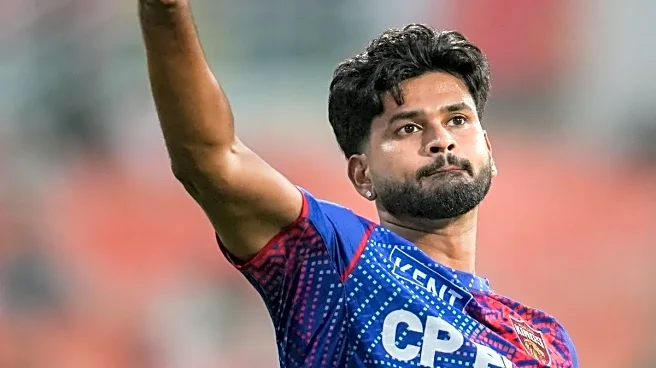


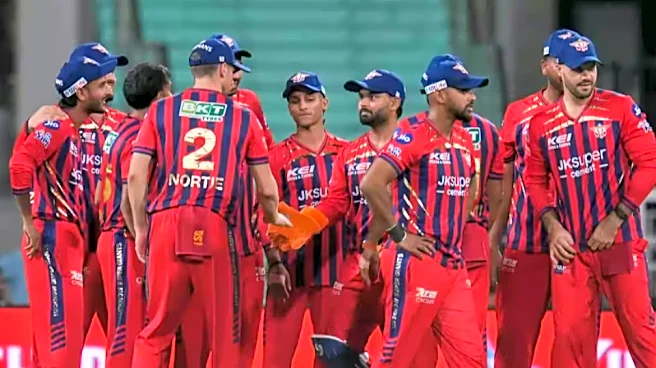
Punjab Kings captain Shreyas Iyer has become the first player to be penalised in IPL 2026 after being fined ₹12 lakh for maintaining a slow over-rate during his team's match against Gujarat Titans. The fine came despite Punjab Kings registering a three-wicket win in Match 4 at the New International Cricket Stadium in New Chandigarh.
While the penalty may seem routine, it highlights how strictly the IPL enforces over-rate rules-and what teams risk if violations continue.
What exactly did Shreyas Iyer do?
Shreyas Iyer was fined after Punjab Kings failed to complete their overs within the stipulated time during their match against Gujarat Titans.
According to the IPL's official communication, this was Punjab Kings' **first over-rate offence of IPL 2026** under Article 2.22 of the IPL Code
of Conduct, which governs minimum over-rate requirements.
For a first offence, the captain is fined ₹12 lakh. The responsibility falls primarily on the captain because they control field settings, bowling changes, and match tempo.
How do IPL slow over-rate penalties work?
The IPL follows a graded punishment system for slow over-rate offences across a season.
Here's how the penalty structure typically works:
- First offence: Captain fined ₹12 lakh
- Second offence: Captain fined ₹24 lakh; other players fined
- Third offence: Captain faces match suspension, along with heavier team fines
This means repeat offences carry significantly harsher consequences-not just financial penalties but also possible bans.
Iyer's latest fine becomes particularly notable because he has previously been penalised for slow over-rate violations in earlier IPL seasons as well.
Did the penalty affect Punjab Kings' result?
No-the penalty did not impact the match result, as slow over-rate sanctions are financial and disciplinary rather than points-based.
Punjab Kings successfully chased down Gujarat Titans' total of 162 runs, but not without drama.
The team initially looked comfortable during the chase, building momentum through a strong partnership. However, Gujarat Titans mounted a comeback when Impact Player Prasidh Krishna delivered a sharp spell, triggering a collapse that saw Punjab lose four wickets in quick succession.
Cooper Connolly then steadied the innings with a composed unbeaten 72 off 44 balls, guiding Punjab Kings to victory and earning Player of the Match honours.
Why do slow over-rates happen?
Slow over-rates usually occur due to a combination of tactical and situational factors during matches.
Common causes include:
- Frequent bowling changes
- Injury interruptions
- Tactical field adjustments
- Excessive time between deliveries
- DRS reviews or delays
While some delays are unavoidable, captains are expected to manage match tempo efficiently.
In high-pressure games-especially those with tight finishes-teams often lose time during late overs, increasing the risk of penalties.
Why this fine matters early in IPL 2026
Although a ₹12 lakh fine may not significantly affect a franchise financially, the bigger concern lies in repeat offences.
Early penalties serve as warnings, especially because multiple breaches can lead to captain suspensions later in the tournament-something teams cannot afford during crucial phases of the season.
For Punjab Kings, the result against Gujarat Titans delivered valuable points, but the disciplinary breach means their campaign has already begun under scrutiny.
With IPL matches tightly scheduled and broadcast-driven, maintaining the required over-rate remains as important as on-field performance.


/images/ppid_a911dc6a-image-177530859710168328.webp)

/images/ppid_a911dc6a-image-177530856275949535.webp)


/images/ppid_59c68470-image-177530753558047820.webp)