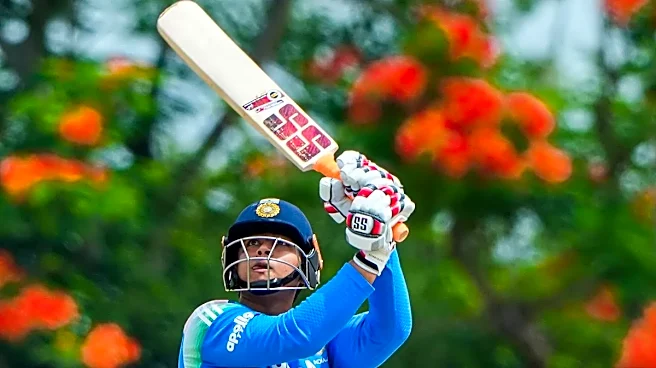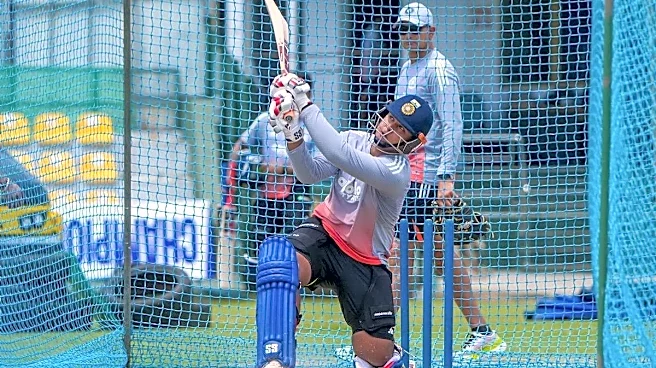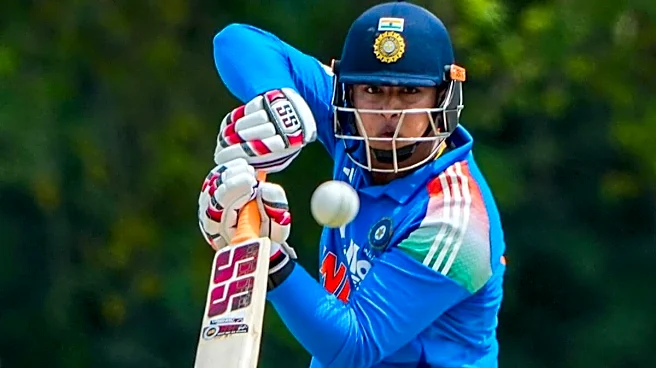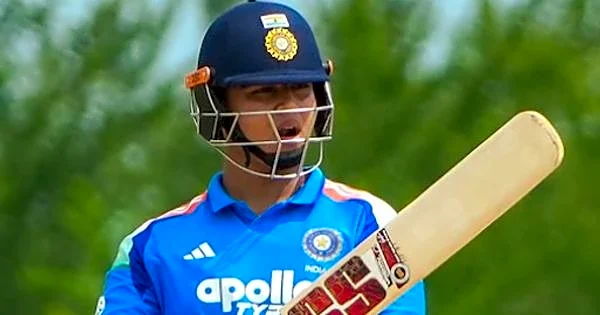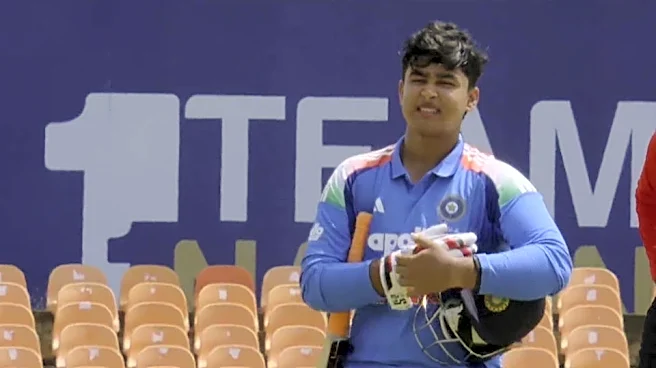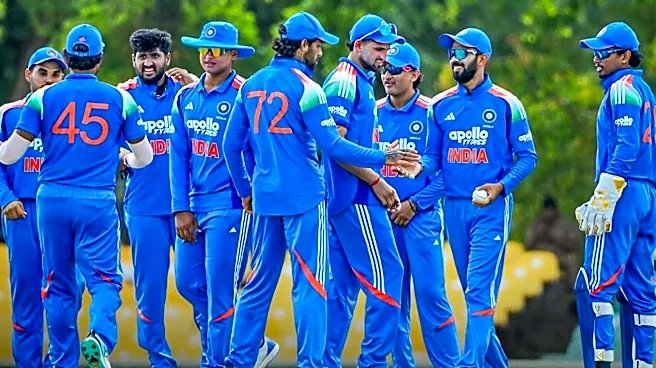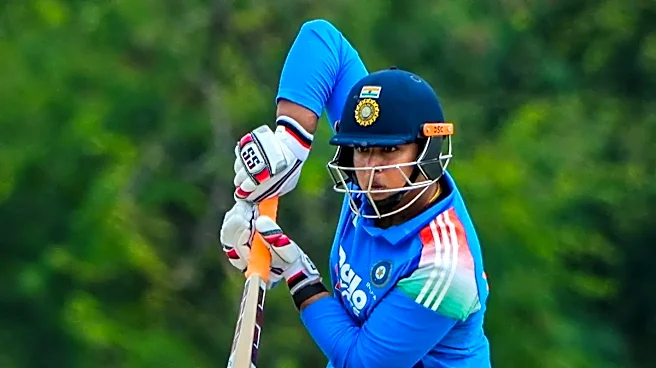

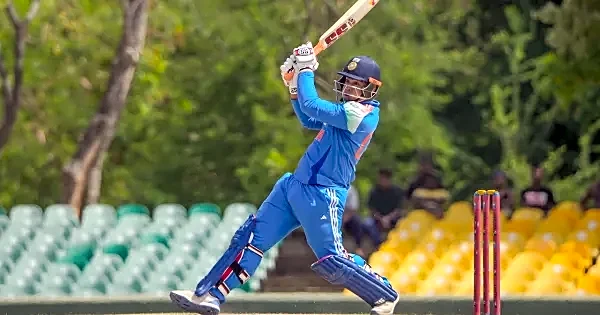
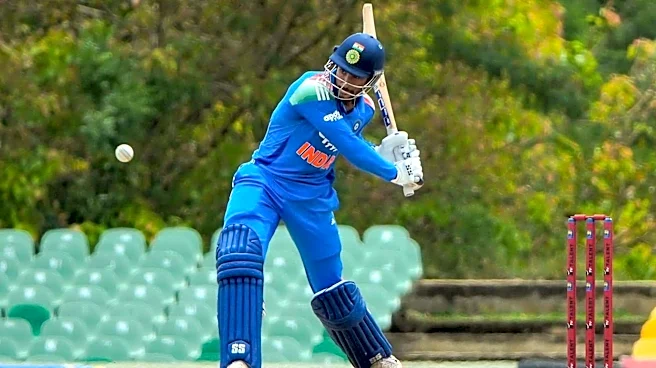


Vaibhav Sooryavanshi's response after a bruising week was as direct as his batting. The teenage left-hander said he felt "no pressure before the Tri-Series final against Sri Lanka A in Dambulla, despite a quiet run with the bat and extra scrutiny after an on-field flashpoint in India A's previous match.
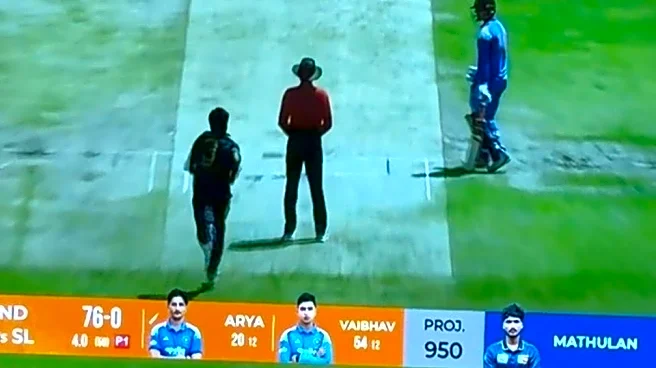
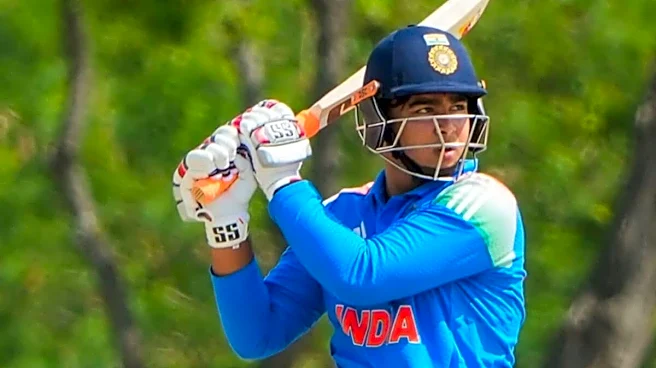
His answer came with the bat first. Sooryavanshi smashed 94 off 29 balls, including an 11-ball fifty, as India A beat Sri Lanka A by 66 runs in the final. The innings changed the tone of the contest almost immediately and gave India A enough control to post 377 for nine before bowling Sri Lanka A out for 311.
Vaibhav Sooryavanshi says plans, not pressure, shaped final assault
Speaking after being named player of the match, Sooryavanshi said he had not tried to complicate his approach. The focus, he said, was on
trusting the work done before the game and executing his attacking plan in the opening overs.
"I hadn't thought of anything. Just wanted to execute what I planned in the first ten and take it forward from there, Sooryavanshi said after the final. It was a revealing comment because India A's innings was effectively shaped in that same opening passage.
The left-hander's hitting helped India A race to 132 in only nine overs. Even though Sri Lanka A pulled the scoring rate back through the middle phase, the damage had already been done. India A still reached a total that required a near-perfect chase under final pressure.
Sooryavanshi's reaction also addressed the larger question around his mindset. He had entered the final after scoring 117 runs in four innings in the tournament. For a player already seen as one of Indian cricket's most watched young batters, those starts without a defining score had invited closer attention.
"No pressure. I wasn't executing what I wanted. But after consulting with the coaches, I got it right. Learnt a lot this series, he said. The line was important because it showed a player trying to separate poor execution from self-doubt.
Why the innings mattered after a difficult previous match
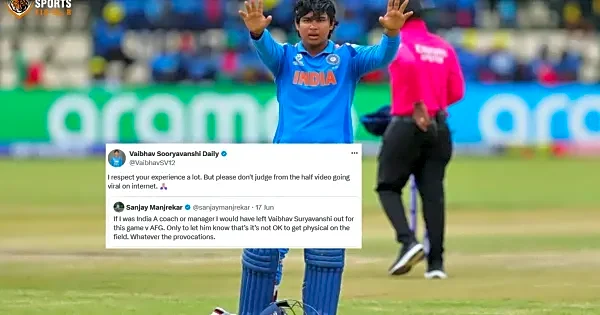
The final also came against the same Sri Lanka A side that had beaten India A in a Super Over earlier in the tournament. That match had added another layer to the build-up, with Sooryavanshi involved in an on-field altercation with Sri Lankan players.
For a young batter with a fast-growing reputation, the next innings was always going to be read beyond the scorecard. His temperament, shot selection and response to provocation were all under watch. In that context, the 94 was not just an attacking cameo. It was a statement of control through aggression.
Sooryavanshi did not move away from his natural game. He still went hard at the bowling. The difference was in clarity. He identified the scoring areas early, forced Sri Lanka A to change plans and gave India A the kind of start that removes uncertainty from a final.
His innings also underlined why the Indian setup continues to invest in young power-hitters who can change games quickly. In limited-overs cricket, especially on surfaces where scoring can become harder later, a fast start can be worth more than a conventional long innings.
Teenage batter embraces 50-over challenge
Although Sooryavanshi is widely associated with explosive T20 batting, he pushed back against the idea that his game is limited to the shortest format. He said he has enough experience in 50-over cricket and enjoys the demands of adapting to different surfaces and match situations.
"I've played a lot of 50-over cricket. Not sure people know about it, he said. "The challenge was to adapt to different conditions, it was nice to take it on. That comment explained why the innings was not simply a T20-style swing from ball one.
In 50-over cricket, the best attacking openers still need to understand risk windows. Sooryavanshi took his chance when the ball was new and the field restrictions were in place. India A then had enough depth to absorb a slowdown and still finish strongly.
Sri Lanka A captain Sahan Arachchige admitted the innings pushed his side back early. "Sooryavanshi played a brilliant innings. We managed the innings nicely thereon but let it slide in the last two overs, he said. The late runs from Anukul Roy, who made 39 off 15 balls, further stretched the target.
India A captain Tilak Varma praised his side's response after setbacks earlier in the competition. "Everyone showed real character. Especially after we lost back-to-back games. Then we won with big margins which was tremendous, Tilak said. He also pointed to domestic experience and clear planning as key factors in the turnaround.
Tilak, however, was not fully satisfied with the bowling effort, even in victory. "Slightly disappointed with the bowling but it happens in one-off series. We have a good side, he said. Sri Lanka A's 311 showed India A still had areas to tighten despite a commanding result.
For Sooryavanshi, the final will be remembered for the reaction as much as the record. After a scratchy tournament and a heated previous outing, he answered with a performance built on intent, clarity and trust in his method. His words afterwards suggested the bigger lesson was not the speed of the fifty, but the calm behind it.