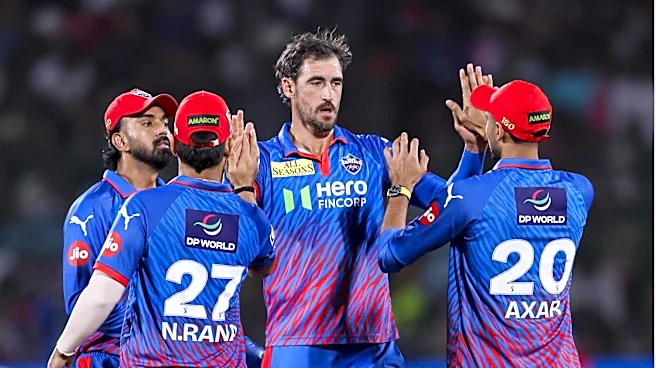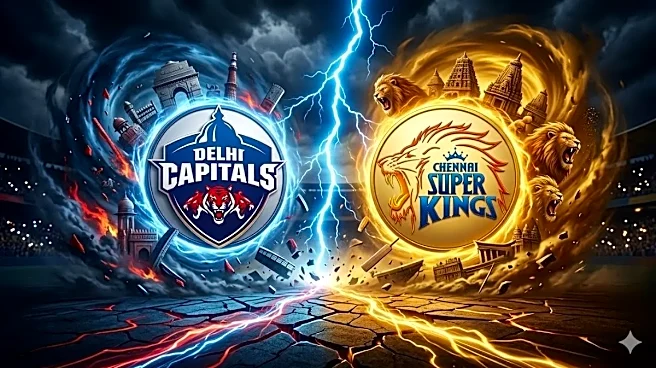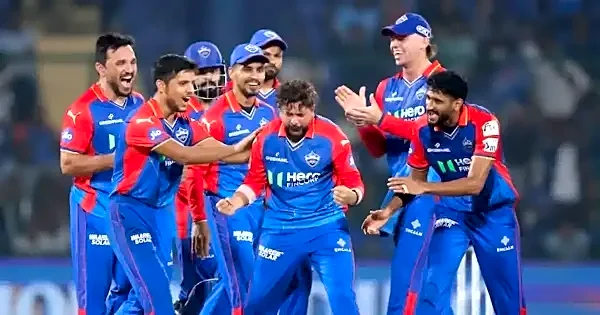

A structural rethink, not just a seasonal reset - Delhi Capitals' ownership model could be heading for its biggest change yet. With the franchise still searching for its first title in the Indian Premier League, the GMR Group is expected to propose extending the current two-year operational cycle to three years - a move aimed at fixing a deeper issue: lack of continuity.
At its core, this isn't just about ownership rotation. It's about whether a team can build long-term identity in a system that keeps resetting itself.
The ownership cycle problem Delhi Capitals are trying to solve
Delhi operate under a unique dual-ownership model, shared equally between the GMR Group and the Jindal Group. Under the current structure, operational control alternates every two years.
On paper, it offers balance. In practice,
it has often disrupted momentum.
Each transition tends to bring:
- New management approaches
- Changes in team strategy
- Shifts in coaching and support structures
The result is a franchise that rarely gets to build on its own progress. Just as one cycle begins to stabilise, another reset follows.
The proposed three-year cycle aims to stretch that window - giving each ownership group more time to implement, adjust, and refine their vision.
Why a three-year cycle could align better with IPL dynamics
The timing of the proposal isn't accidental.
The IPL ecosystem itself operates in longer cycles, especially with mega auctions typically spaced out across multiple seasons. A three-year ownership window would better align with that rhythm, allowing decision-makers to:
- Build squads with longer-term planning
- Develop player roles across seasons
- Maintain consistency in leadership and support staff
In contrast, a two-year cycle often forces short-term thinking - where results are prioritised over process because time is limited.
Performance patterns and the underlying question of control
There's also an unspoken layer to this discussion - results.
While not officially acknowledged as a factor, patterns suggest that Delhi Capitals have performed more consistently during phases when the Jindal Group has had operational control. During GMR-led cycles, the franchise has struggled to find similar rhythm.
It may be coincidence. But in a results-driven league, patterns tend to invite scrutiny.
Which brings the real question into focus: is the issue the duration of control - or the direction of it?
What happens next: Decision deferred, but direction clear
The proposal is expected to be formally discussed after the current season, with the Jindal Group set to take operational charge in the next cycle.
Their decision will be crucial. Accepting the proposal would mean:
- Longer planning windows
- Greater strategic stability
- Reduced mid-cycle disruption
Rejecting it would mean continuing with a system that has so far struggled to deliver sustained success.
This isn't just about boardroom structure. It's about identity. About whether a franchise can truly evolve when its leadership keeps rotating. About whether stability, in a league built on constant change, might actually be the missing piece.
Because for Delhi Capitals, the problem has never been talent. It's been continuity.