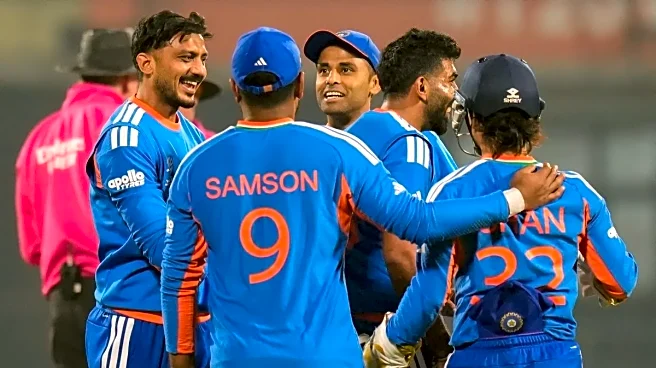

India's build-up to the high-voltage T20 World Cup clash against Pakistan has inevitably centred on one name: Usman Tariq. The off-spinner's unusual sidearm, pause-and-deliver action has sparked debate and concern, but Indian wicketkeeper-batter Ishan Kishan insists the groundwork has already been done.
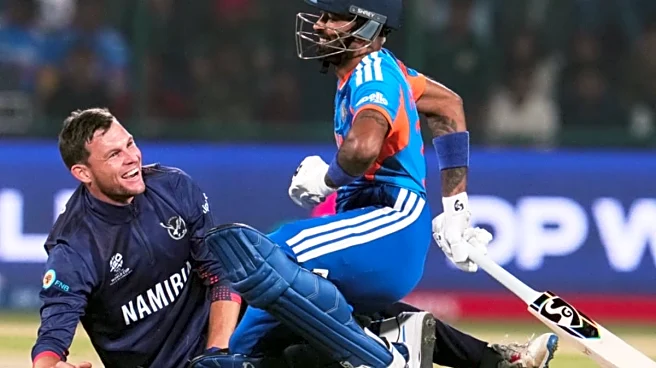
Speaking after India's comprehensive win over Namibia, Kishan revealed that preparation for Tariq began well before February 15. Interestingly, Namibia skipper Gerhard Erasmus, who claimed a four-wicket haul against India, offered a similar sidearm challenge, serving as a timely rehearsal.
"No, I think we have already done the preparation part, and now it is just time to watch the ball and play our natural game (on preparing to play Tariq)," Kishan
said. "So if the ball is there, as a batter, we just feel like going in because it's a T20 game. And we are trying to set a good total on board. But we do have to believe in our strength as well. "
For Kishan, preparation at this level is less about radical technical change and more about clarity. "There's nothing like you have to prepare. I think at this level, we just watch a few videos, and we get an idea of what kind of bowling is going to happen. So we are just keeping it simple. Yeah, he bowled pretty well today, and I think there was quite a bit of learning for us for our team as well today. "
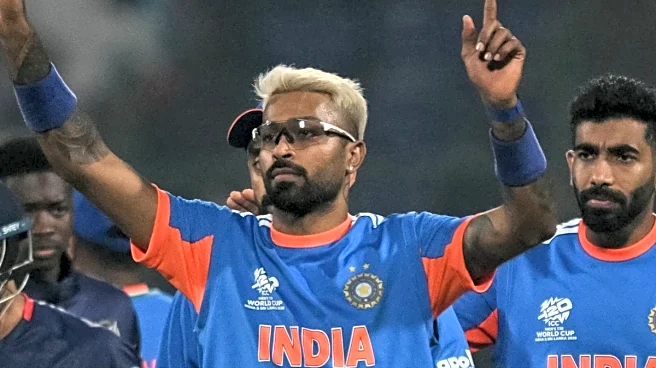
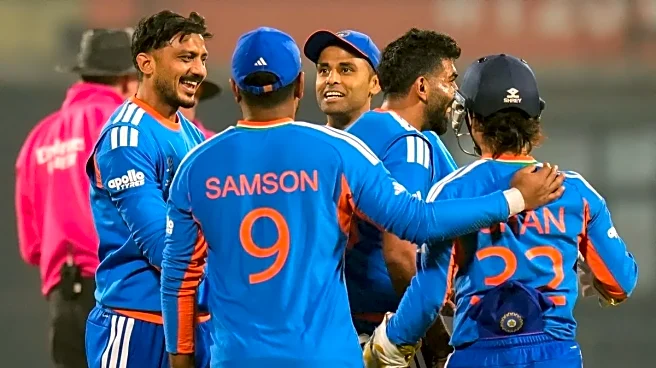
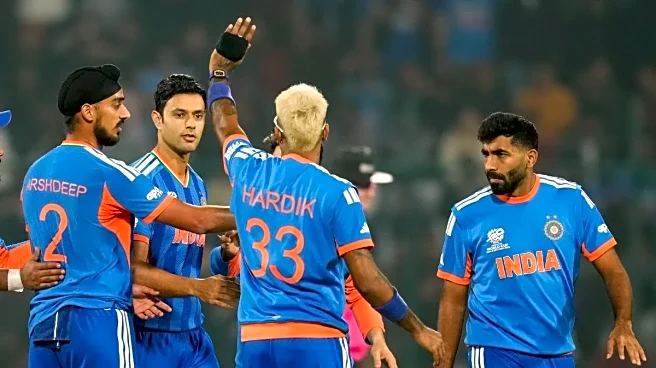
India posted 209/9 against Namibia, powered by Kishan's 24-ball 61 and Hardik Pandya's 28-ball 52 - before bundling their opponents out for 116. Erasmus' spell, however, ensured India were tested in the middle overs, something that may prove valuable against Pakistan's spin-heavy attack in Colombo.
Ashwin shares 'Magic Mantra' for Team India
While Kishan emphasised simplicity, Ravichandran Ashwin offered a more provocative tactical suggestion on his YouTube channel, Ash ki Baat.
Amid growing chatter around Tariq's bent-arm, sling-arm action and his distinctive pause before release, Ashwin clarified that the pause itself is legal. "If I have a normal bowling action but suddenly pause and deliver the final ball in the over, that was ruled illegal a few years ago because that is against the natural rhythm of my bowling action. The umpire can warn me. For Tariq, the case is different. That pause is part of his normal action," Ashwin explained.
However, the former Indian off-spinner floated a psychological counter: batters could step away at the moment of Tariq's pause, arguing they cannot predict the release point. "There is one thing I want to see: who dares to do that? If Tariq pauses before delivery, the batter has the right to move away. The batter can say, 'I don't know when the ball is coming, so I moved away. '"
Ashwin believes such a move could unsettle the bowler and even force umpiring intervention. "If the batter starts withdrawing, imagine the pressure on Tariq. He might have to alter his action in the middle of the game. Pakistan's trump card might turn out to be nothing. "
Yet he ended on a note of doubt. "But I doubt any of the Indian batters have it in them to pull it off. I'm not sure. "
Between Kishan's calm "watch the ball" approach and Ashwin's gamesmanship theory, India appears to have both technical and psychological counters ready. Whether they stick to instinct or deploy a tactical curveball may well shape one of the most anticipated duels of the tournament.