


The Indian Premier League's (IPL) Anti-Corruption and Security Unit (ACSU) has flagged serious lapses in team security, prompting the BCCI to reinforce strict standard operating procedures (SOPs) for all franchises.
Unauthorized individuals have been spotted in sensitive zones including team dugouts, buses, hotels, and the Players and Match Officials Area (PMOA) during the ongoing season, raising integrity concerns.IPL Chairman Arun Dhumal confirmed that the ACSU submitted a detailed report highlighting these anomalies.
"The Anti Corruption and Security Unit (ACSU) has flagged certain anomalies and submitted a report about unauthorised persons being seen in dugout, team bus and team hotel during IPL matches," Dhumal told PTI.
He emphasized that
the board is taking the matter seriously and will remind franchises to strictly follow PMOA protocols to preserve the tournament's sanctity.
"The wives are not the problem but some of the cash-rich younger IPL players are inviting unidentified women. There are chances that the naive ones could be honey trapped. Some strict rules especially on girlfriends will be there in SOPs. "
The BCCI is also uneasy about the increasing presence of social media influencers near teams and hotels. One instance involved the wife of a former India pacer posting Instagram content from a team hotel room, repeating a mistake from a previous Australia tour.
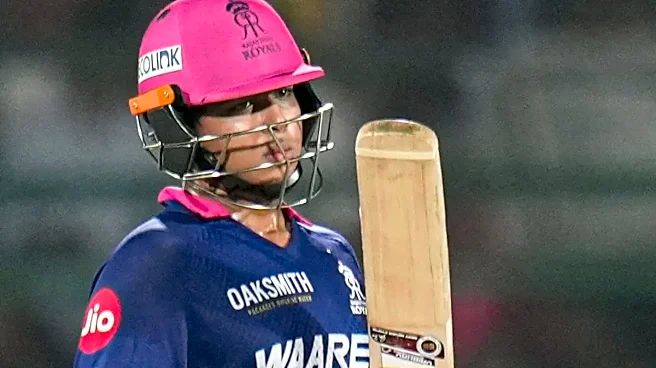
This development comes against a backdrop of multiple off-field controversies this season. Rajasthan Royals mentor Romi Bhinder was fined ₹1 lakh for using a mobile phone in the dugout while watching teenage sensation Vaibhav Sooryavanshi. Captain Riyan Parag was penalised 25 per cent of his match fee for vaping, and Yuzvendra Chahal was also captured vaping on a flight in a now-deleted social media post. Vaping remains illegal in India under the Prohibition of Electronic Cigarettes Act, 2019.
The BCCI's renewed push for stricter compliance aims to safeguard the IPL's reputation and protect players from potential corruption risks. Franchises are expected to receive fresh directives shortly to ensure tighter control over team environments.