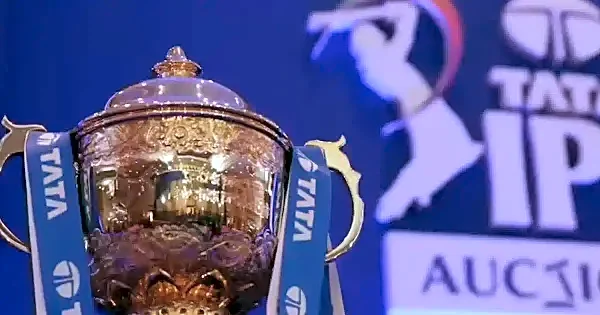

The countdown to the IPL 2026 mini-auction has begun, and as it takes place on December 16, the familiar buzz around auction strategy, surprise bids and late drama is once again in the air. Franchises are sharpening their plans in Abu Dhabi, knowing that even a so-called "mini auction can reshape a season if handled smartly.
Unlike a mega auction, this event is all about fine-tuning rather than rebuilding from scratch. Yet, the rule tweaks introduced for IPL 2026 have ensured that the conversation remains lively. From the absence of marquee sets to tighter overseas salary caps, the regulations promise a very different auction-day rhythm. But above all else, one question has dominated discussions across fan forums and team war rooms alike: will
franchises have the Right to Match cards this time?
Is RTM Available in IPL Auction 2026?
The short and simple answer is no. There will be no Right to Match (RTM) cards available in the IPL 2026 mini-auction. This marks a significant shift in auction dynamics, especially for teams hoping to reclaim familiar faces without stretching their purse too far.
The RTM rule, once a powerful tactical tool, allows franchises to buy back a released player by matching the highest bid at the auction. However, under the IPL 2026 retention framework, RTMs do not feature at all. Teams must rely purely on their bidding strength if they wish to re-sign any player they have released, making the auction floor far more unforgiving.
How Retention Rules Shape RTM Availability
To understand why RTMs are missing, it helps to look back briefly. The RTM rule was scrapped after the 2022 season but made a conditional return during the IPL 2025 mega-auction. At that time, the number of RTMs a team received depended on how many players it retained. Franchises using all six retention slots were left with zero RTMs, while those retaining fewer players gained some flexibility.
In IPL 2026, however, the retention rules take a different route. There is no minimum retention requirement, and teams are free to retain or release players as they see fit, within squad limits. As a result, RTMs have been removed entirely. This levels the playing field, ensuring no franchise gains an artificial advantage simply through retention arithmetic.
What No RTM Means for Teams
With no RTMs in play, the only way to reclaim a former player is to outbid every rival at the table. This adds an edge of ruthlessness to proceedings, particularly for franchises operating with limited funds. The absence of RTMs also reinforces the mini-auction's core philosophy: smart planning over safety nets.
Each franchise must stick to a maximum squad size of 25 players, including no more than eight overseas cricketers. That restriction, combined with the lack of RTMs, means every bid has to be carefully calculated, especially when competition heats up for multi-skilled players.
Cap on Overseas Player Earnings Explained
Another headline rule for IPL 2026 is the cap on overseas player salaries. The maximum amount an international cricketer can earn will be the lower of two figures: the highest retention price (₹18 crore) or the highest bid from the previous mega auction.
Since the top bid in the last mega auction was ₹27 crore for Rishabh Pant, the effective ceiling for overseas players in this mini-auction is ₹18 crore. Any bid exceeding that amount will not go to the player but will instead be redirected to the BCCI's player development programme.