
/images/ppid_59c68470-image-177100753350744656.webp)
/images/ppid_a911dc6a-image-17710070301901476.webp)
/images/ppid_a911dc6a-image-177100572282276854.webp)
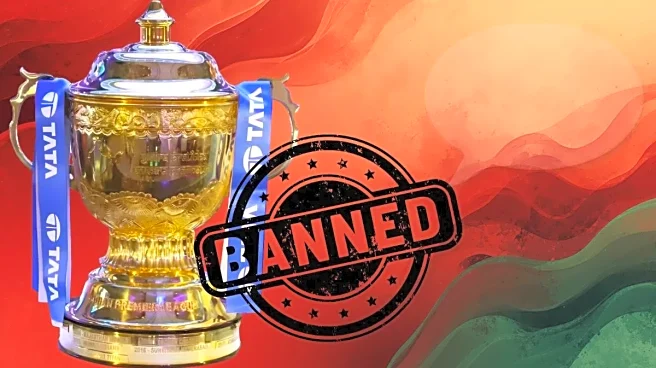
As an expected outcome of the current scenario, the Bangladeshi government has imposed an indefinite ban on broadcasting the Indian Premier League (IPL) matches within its borders.
This decision, announced on January 5, 2026, by the Ministry of Information and Broadcasting, stems directly from the Board of Control for Cricket in India (BCCI)'s directive to the Kolkata Knight Riders (KKR) to release Bangladeshi pacer Mustafizur Rahman from their squad for the upcoming IPL 2026 season, set to begin on March 26.
The move has sparked widespread debate, but one thing is clear: by shutting out the IPL, Bangladesh is inflicting a significant loss on itself across financial, fan engagement, and broader socio-cultural fronts.
The Incident Unfolded: A Timeline of Tensions
The roots of this controversy
trace back to mounting geopolitical strains between the two nations. In late 2025, amid reports of atrocities against minorities in Bangladesh and growing anti-India sentiments following political upheaval, the Bangladesh Cricket Board (BCB) announced it would not send its national team to India for the T20 World Cup, citing "safety and security concerns" for its contingent. This decision was perceived in India as a provocative stance, especially given the historical cricketing ties between the neighbors.
The BCCI instructed KKR to drop Mustafizur Rahman-a key overseas player who had been retained for his stellar death-over bowling-from their roster. The move was vaguely attributed to "developments all around," without providing specifics, which further fueled outrage in Bangladesh. Rahman, a national hero and one of Bangladesh's top T20 talents, had previously excelled in the IPL, notably with teams like Sunrisers Hyderabad and Rajasthan Royals.
The Bangladeshi government responded swiftly. On January 5, the Ministry issued a statement declaring the BCCI's action as causing "distress, hurt, and aggrievement" among the populace, with no "logical reason" provided. Consequently, all IPL broadcasts and streaming were suspended "until further notice," marking the first such ban since the league's inception in 2008. This includes TV channels and digital platforms, effectively blacking out the tournament for Bangladeshi viewers. The ban is seen as a retaliatory measure, but critics argue it disproportionately harms Bangladesh's own interests.
Financial Ramifications
Economically, the IPL ban represents a substantial self-sabotage for Bangladesh. Cricket is a massive industry in the country, and the IPL, as the world's richest T20 league, generates significant ancillary revenue. Local broadcasters typically acquire IPL rights for millions, recouping costs through advertising and sponsorships.
By banning broadcasts, these broadcasters lose out on prime-time ad slots, where brands targeting South Asian audiences invest heavily. For instance, telecom companies, consumer goods firms, and betting apps (legal in some forms) pump in funds equivalent to tens of millions in Bangladeshi Taka annually.
In a nation where unemployment hovers around 5% and youth rely on entertainment-driven gigs, this ban could exacerbate economic pressures, especially post-political instability. Justification lies in the IPL's global valuation $ over $10 billion, highlighting how Bangladesh is cutting off a lucrative cultural import without viable alternatives.
For India, dropping broadcast in Bangladesh won't even impact 1 per cent of the total revenue.
Impact on Fans
Bangladesh is a cricket-crazed country, with the IPL serving as a beloved extension of the sport beyond national boundaries. Fans idolize Indian stars like Virat Kohli and MS Dhoni, while cheering for Bangladeshi players in the league fosters national pride. The ban robs millions of this joy, forcing them to illegal streams or VPNs, which could expose them to cyber risks.
Psychologically, this is a loss for community bonding. IPL matches unite families and friends, boosting morale in a nation recovering from floods and political turmoil. Younger fans, aspiring cricketers, miss inspirational moments that could nurture talent. Data shows IPL viewership in Bangladesh rivals domestic leagues, with surveys indicating 70% of urban youth follow it religiously.
Recently, an owner of a Bangladesh Premier League (BPL) openly stated his care for IPL, rather than the league of his own country, which further depicts the interest among the mass. Hence, it's a move which may not prove to be a wise decision for Bangladesh for multifaceted reasons, but they just couldn't help it!



/images/ppid_a911dc6a-image-177101752951095973.webp)



/images/ppid_a911dc6a-image-177101403147018469.webp)
/images/ppid_a911dc6a-image-177101053501199609.webp)
/images/ppid_59c68470-image-177101003680064644.webp)