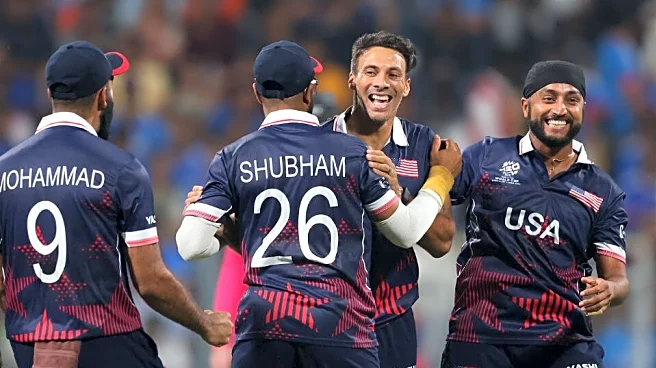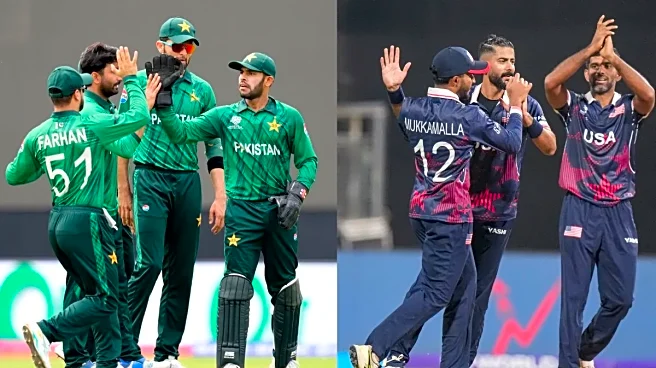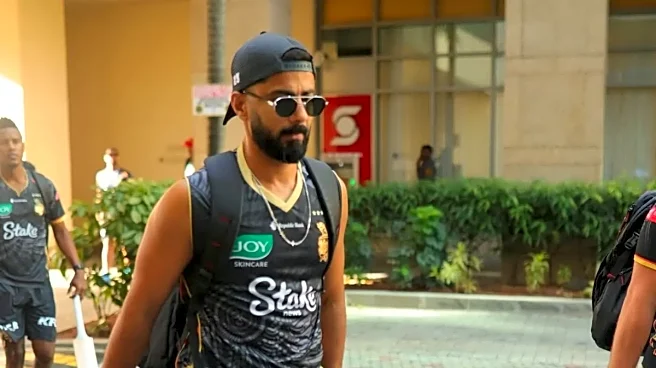

Just weeks before the start of the ICC T20 World Cup 2026, USA Cricket has found itself dealing with an off-field crisis that could directly impact its campaign. Four players of Pakistani origin in the USA setup
have reportedly been denied Indian visas, raising serious questions over travel clearances, security protocols, and preparedness ahead of the tournament hosted in India.
The most high-profile case is that of fast bowler Ali Khan, who confirmed via social media that his Indian visa application had been rejected. The 35-year-old could now miss the tournament opener against hosts India at Mumbai's Wankhede Stadium on February 7 if the issue is not resolved in time.
Which USA players are affected?
According to information available so far, four Pakistani-born USA cricketers are facing visa-related hurdles: Ali Khan and Shayan Jahangir - both US citizens holding dual passports, and Ehsan Adil and Mohammad Mohsin - Pakistani passport holders.
While Jahangir has not publicly commented, Khan's case has brought renewed attention to a problem that associate nations have quietly grappled with for years when touring India.
Why was Ali Kan's Indian visa denied?
No official reason has been communicated by Indian authorities; the delay and reported rejection appear to stem from the strict visa framework applied to players of Pakistani origin.
According to existing Indian visa regulations, Pakistani nationals holding dual nationality are required to apply for an Indian visa only on their Pakistani passport, regardless of any secondary citizenship.
In cases where applicants hold a foreign passport but are of Pakistani origin, additional documentation is mandatory. Such applicants must submit a Certificate of Renunciation of Pakistani Citizenship and other documents, without which they are unlikely to progress beyond preliminary scrutiny.
Even with paperwork in order, processing timelines remain a major hurdle. Visa applications linked to Pakistani origin typically take a minimum of seven to eight weeks, with several cases extending beyond two to three months due to enhanced security vetting.
Unlike most international cricketers, Pakistani nationals are also not eligible for India's e-VISA system and must apply through Indian Missions that require sponsorship certificates and detailed background documentation.
This situation is further complicated by periodic suspensions and limitations on Indian visa services for Pakistani nationals, making timelines unpredictable. As a result, even athletes cleared by tournament organisers can find themselves waiting on approvals that fall entirely outside the sporting ecosystem. In high-security events like the World Cup, these checks can become even more stringent.
Are other teams facing similar visa delays?
The USA is not alone. Associate nations, including the UAE, Oman, Italy, and Canada, are also reportedly dealing with Indian visa delays. As a result, several boards have been unable to finalise their World Cup squads with uncertainty lingering over player availability.
Officials from these boards have approached the International Cricket Council for intervention, though no formal resolution has been announced yet.
What does this mean for the USA's World Cup campaign?
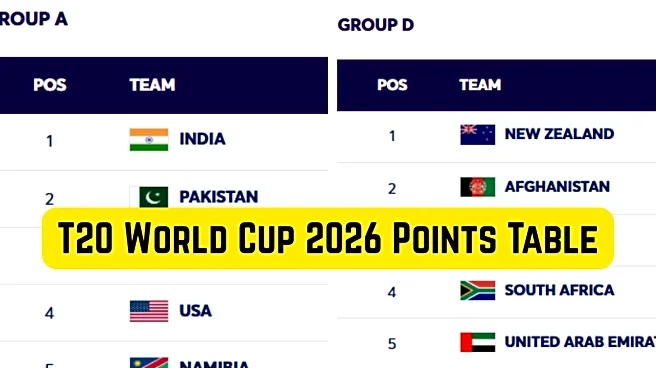
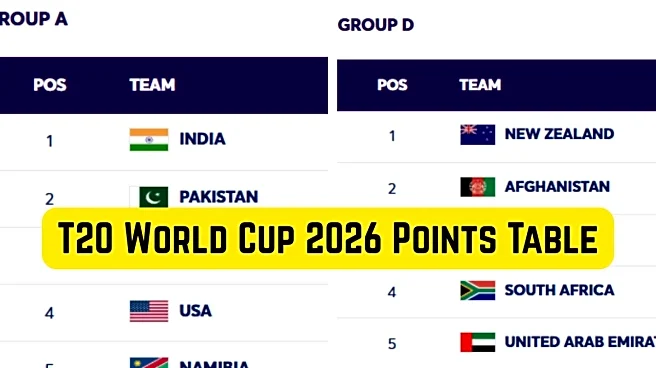
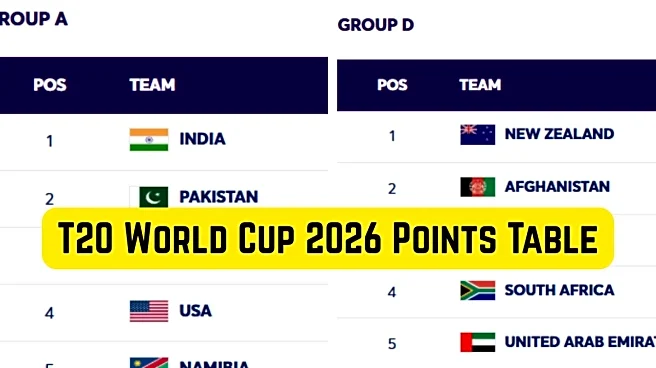
The USA qualified directly for the 2026 T20 World Cup after reaching the Super Eights in the 2024 edition, a landmark achievement for the associate side. Any prolonged visa uncertainty could force a last-minute squad reshuffle, disrupting team balance and planning at a crucial stage. With three of their four Group A matches scheduled in India, resolving travel clearances has become urgent.
For now, the ICC is understood to be working behind the scenes to facilitate solutions, but until visas are cleared, paperwork - not cricket - threatened to become an unwanted subplot of the World Cup build-up.