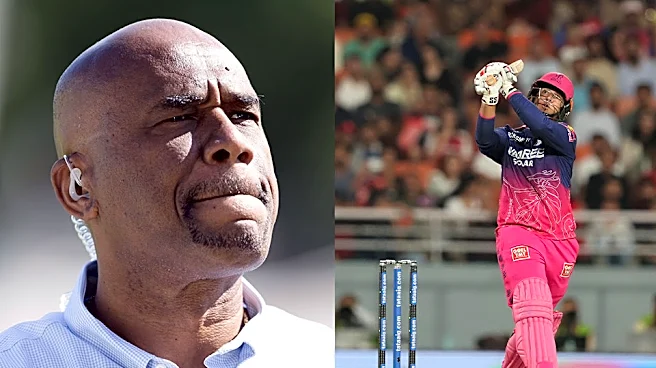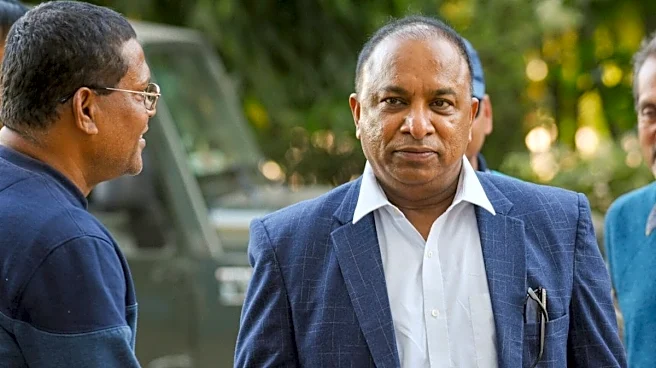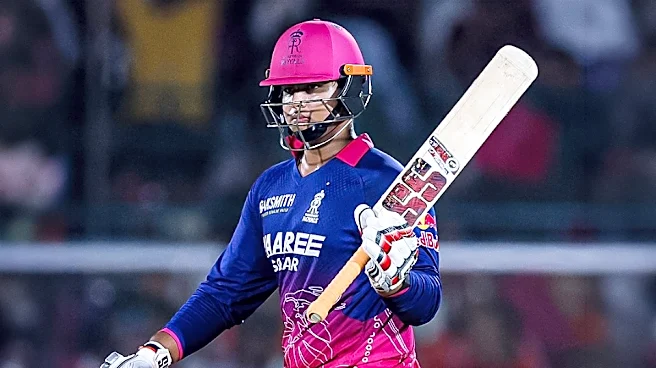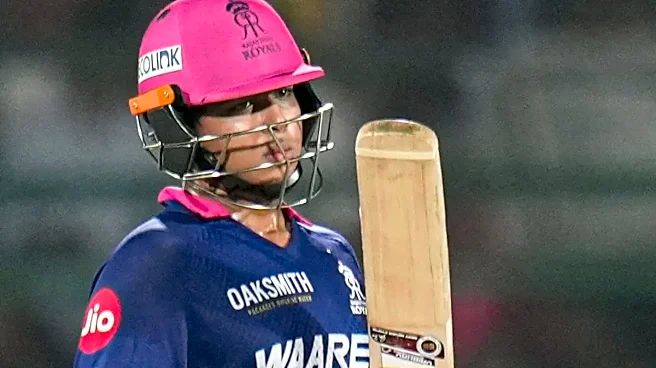

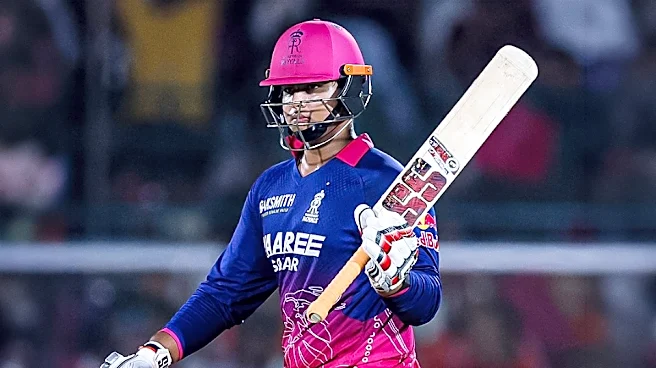

A 15-year-old in the Indian Premier League has sparked a legal and ethical debate - but is it really "child labour? The presence of Vaibhav Sooryavanshi in Rajasthan Royals' setup has drawn sharp criticism from social activist CM Shivakumar Nayak, who has threatened to file an FIR, calling the teenager's participation exploitative.
The controversy has quickly moved beyond cricket - raising questions around law, precedent, and how India treats young sporting talent.
What is the controversy around Vaibhav Sooryavanshi?
The issue stems from Nayak's claim that a 15-year-old playing professional cricket in the IPL amounts to "child labour. "
"This 15-year-old boy Vaibhav Sooryavanshi from Rajasthan Royals is being exploited. This is nothing but child labour. How can they make a minor boy play in such
a big league like this?" he said during a televised debate.
He further argued that Sooryavanshi should be focusing on education rather than participating in a high-pressure professional environment, adding that he plans to initiate legal action against the franchise.
Is playing IPL actually "child labour"? What the law says
At the heart of the debate is India's child labour framework.
Under the Child Labour (Prohibition and Regulation) Act, children below 14 are prohibited from working in most occupations, while adolescents (14-18) can work in non-hazardous sectors under regulated conditions.
Professional sport - particularly under governing bodies like the BCCI - does not fall under traditionally classified hazardous labour. Young athletes often operate under structured contracts, parental consent, and regulated environments.
This creates a legal grey area rather than a clear violation.
Cricket precedent: Young prodigies are not new
The backlash to Nayak's statement has largely centred around precedent.
Sachin Tendulkar made his international debut at 16, while India's Under-19 system has consistently produced teenage cricketers competing at elite levels.
The IPL itself has historically featured young players transitioning early into professional setups - though Sooryavanshi's age pushes that boundary further than usual.
Social media reaction: Pushback and double standards
The response online has been swift and divided.
Critics of the "child labour" argument have pointed out parallels with:
- Child actors in films
- Teen contestants in reality television
- Structured junior sports systems
Many questioned why sport is being singled out when other industries routinely feature minors in professional settings.
Others, however, raised concerns around pressure, workload, and long-term development - shifting the conversation from legality to welfare.
The controversy ultimately sits at the intersection of opportunity and protection.
On one hand, the IPL provides:
- Elite exposure
- Financial security
- Access to world-class coaching
On the other, it raises concerns around:
- Mental and physical pressure
- Education balance
- Long-term career management
The debate isn't new - but Sooryavanshi's age has intensified it.
As of now, no official legal action has been confirmed. The situation may depend on whether a formal complaint is filed and how authorities interpret existing laws in the context of professional sport.
For Rajasthan Royals and the IPL ecosystem, the case could set an important precedent - not just legally, but structurally.