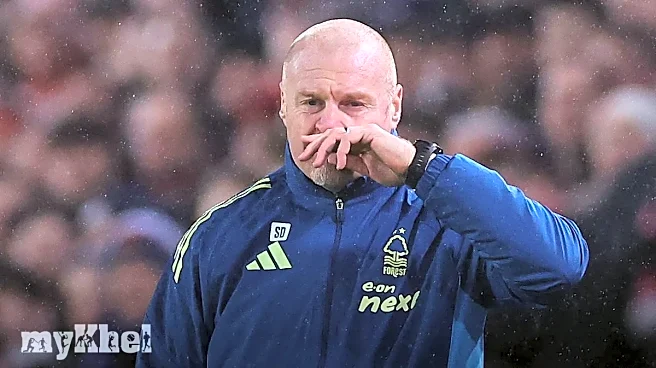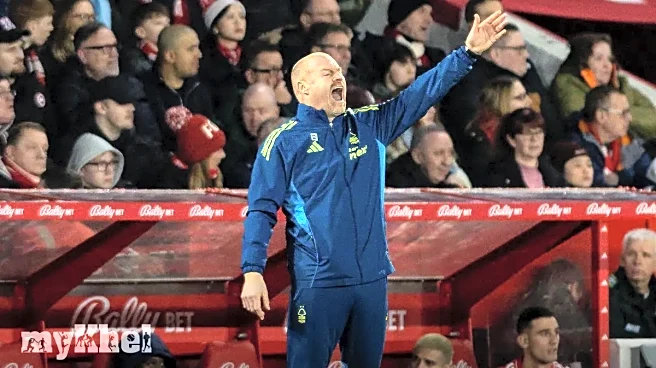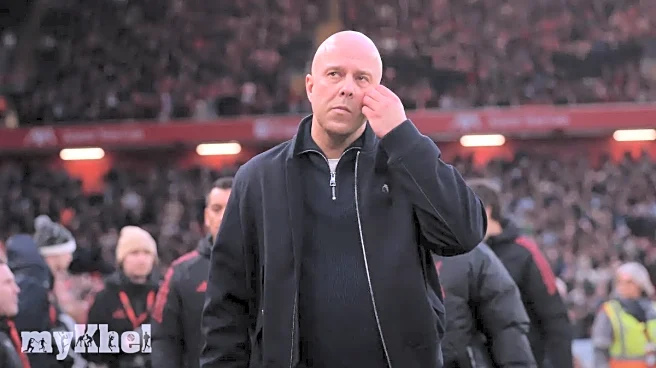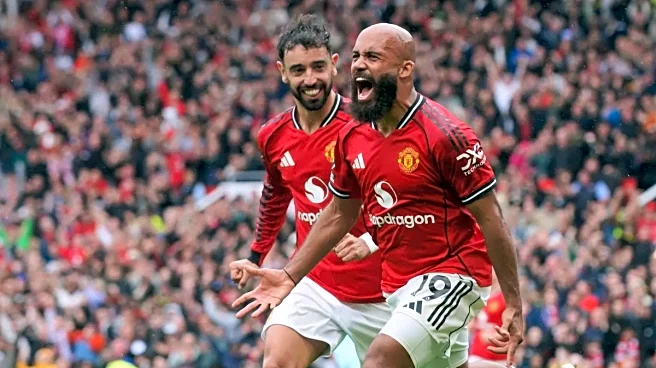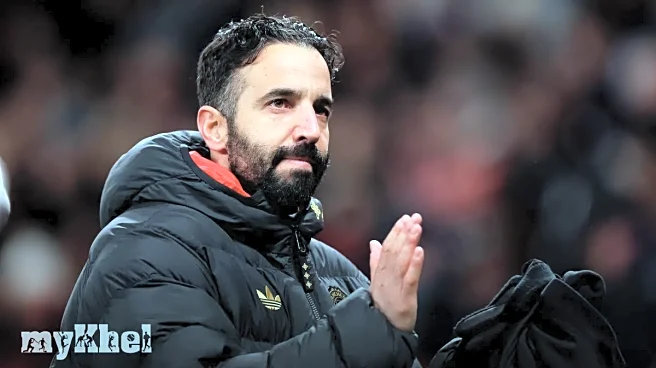


Manchester United host Wolves on Tuesday with Ruben Amorim finally ready to move away from a back three, as the team chase a place in the Premier League’s top four. United sit sixth, three points off fourth, while Wolves arrive at Old Trafford bottom after the worst start to a top-flight season.
Amorim felt pressure throughout the first year at Old Trafford, as sticking with a 3-4-3 shape brought a 15th-placed finish and a heavy Europa League final loss to Tottenham. The mood is different in 2025-26, with performances improving and a 1-0 Boxing Day victory over Newcastle achieved using a 4-2-3-1 system.
The coach believes circumstances now demand flexibility, with several important players missing. Bryan Mbeumo and Amad Diallo are away at the
Africa Cup of Nations, while captain Bruno Fernandes is sidelined by a hamstring injury. Amorim wants this spell to help United learn a new shape, yet insists timing remains vital for tactical changes.
Amorim explained that changing formation earlier would have destroyed authority within the dressing room, especially during a difficult debut season. The Portuguese coach repeatedly resisted calls from media and fans, believing that backing down then would have weakened trust in the long-term plan and in United’s developing identity on the pitch.
"When I came here last season, I understood maybe I don't have the players to play well in that system, but it was the beginning of a process," Amorim said. "We were trying to build an identity. Today is a different moment. We don't have a lot of players, and we need to adapt, so they understand why we are changing. It is not because of the pressure of you guys, or the fans. When you talked about changing the system all the time, I could not change because the players would understand I'm changing because of you, and I think that is the end for the manager. When we are playing well in our system, that is the moment to change. We are going to become a better team because when all the players return, we are not going to play with three defenders all the time. "
While United look upward in the table, Wolves struggle with confidence after collecting only two points from 18 league matches. That sequence represents the worst opening to a Premier League season, and only Bolton Wanderers in 1902-03 have gone longer without a win at the beginning of a top-flight campaign.
Rob Edwards accepts that defeats have become normal for the Wolves squad, even after just six weeks in charge. Edwards felt encouragement in the second half of Saturday’s 2-1 defeat to Liverpool, yet knows improved spells must start bringing points, or relegation will effectively be confirmed long before the run-in.
"It has been [a habit] for a long period of time. I've been here six weeks, and I'm fed up of it," Edwards said. "We've got to find a way. We've got to latch on to that second-half performance [in Saturday's 2-1 defeat to Liverpool], because I don't want to be coming into dressing rooms at the end of games and saying that's the level, but we're taking nothing from it. "
One positive for Edwards is the emergence of 18-year-old winger Mateus Mane, who made a first Premier League start at Anfield. Mane shared the highest shot tally in that game with four attempts, matched Hugo Ekitike’s total, completed four dribbles and recorded 77.8% passing accuracy in the final third, second among Wolves players behind Andre’s 88.9%.
Manchester United vs Wolves key players and prediction
For United, Patrick Dorgu’s recent form is a major boost, especially with attackers missing. After a long wait for end product, Dorgu now has two goal contributions in the last two United matches. The wing-back scored a fine goal against Newcastle on Boxing Day and has added an assist, after managing only one assist in his first 36 club appearances.
History points towards a home success. United have won eight of their last 11 league meetings with Wolves, including a 4-1 victory at Molineux earlier this month. Wolves did win 1-0 at Old Trafford last season and could record back-to-back away league victories over United for the first time since a three-game streak between March 1960 and September 1961.
Pablo Sarabia’s free-kick decided that Easter Sunday contest, yet repeating that outcome appears unlikely. Wolves have already lost 25 Premier League games in 2025; one more defeat would equal Ipswich Town’s record of 26 league losses in a calendar year, set in 1994. Tottenham and West Ham are next on this year’s list, with 20 defeats each.
United face a separate trend, having lost their final league fixture in both 2023, against Nottingham Forest, and 2024, against Newcastle. A third straight year finishing with defeat would mirror a run last seen from 1980 to 1982. Amorim’s side are favoured to avoid that, with Opta data strongly backing a home victory.
| Outcome | Opta win probability |
|---|---|
| Manchester United win | 69.8% |
| Wolves win | 13.2% |
| Draw | 17% |
Overall, United enter this match with momentum, tactical flexibility and home advantage, despite missing several important players. Wolves arrive under severe pressure, burdened by historic struggles and high defeat totals, yet with hope resting on younger talents such as Mane and any confidence carried over from improved recent performances.