






Solar Steam Solutions
In Goraj, near Vadodara, a remarkable solar-powered kitchen is preparing meals for approximately 5,000 individuals daily, effectively addressing the ongoing LPG supply challenges. This facility, located
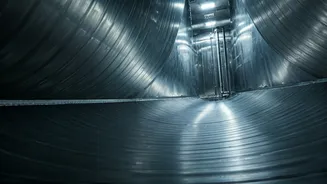
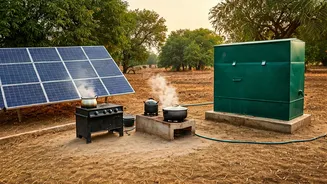
at Muni Seva Ashram, relies on solar energy and biogas for about 80-85% of its cooking needs, demonstrating a powerful synergy of renewable resources. The ashram complex, which includes a cancer hospital, educational institutions, and residential facilities, benefits immensely from this sustainable approach. Meals, ranging from staples like rice, dal, and vegetables to even fried items like bhajiyas and puris, are prepared using steam generated by advanced solar concentrators. The 'Big Dish' solar concentrator, a product of Australian innovation, is particularly noteworthy. It captures nearly 90% of sunlight, converting it into high-temperature steam far more efficiently than traditional solar panels. This steam not only powers the kitchen but also supports the hospital's substantial laundry operations and sterilization requirements, and even contributes to its 200-ton air conditioning system. This initiative embodies the founder's philosophy of societal service coupled with ecological consciousness and self-sufficiency.
Dung to Energy
A different, yet equally effective, model of self-reliance is flourishing in Mujkuva village, close to Anand. Here, women have transformed cow dung into a vital cooking fuel source through the Mujkuva Sakhi Khad Sahkari Mandali Ltd, a pioneering all-women cooperative focused on manure-based biogas production. Established in 2018 with just 25 members, this cooperative has grown to encompass 150 women, many of whom are involved in animal husbandry. The biogas generated from cow dung provides a consistent and affordable cooking fuel, eliminating concerns about LPG availability. Members report significant monthly savings, estimated at Rs 2,000 per household, by avoiding the purchase of LPG cylinders. The cooperative's impact extends beyond cooking fuel; the leftover slurry from the biogas plants is marketed as organic fertilizer to NDDB Mrida Limited, promoting natural farming practices among local farmers. The success of these women, including Hema Padhiyar and Jagruti Padhiyar, was recognized nationally when they were invited to Rashtrapati Bhavan during Republic Day celebrations, highlighting their innovative approach to community empowerment and resource management.
Kutch's Biogas Resilience
In the arid region of Kutch, a similar story of resilience is unfolding thanks to biogas plants. Rekha Maharaj and approximately 50 other women in Kutch have remained unaffected by the widespread LPG cylinder queues that plague many parts of the country. Over the last three years, these women have installed and maintained biogas plants that utilize cow dung as their primary fuel. Their daily routine involves collecting dung, which is then processed in the plants to produce cooking gas. This reliable source of fuel ensures that their kitchens remain operational without any disruption. The Self-Employed Women's Association, through its 'Swachh Akaash' initiative, has been instrumental in promoting biogas production among thousands of women. This program offers an alternative to LPG dependency, empowering women with a sustainable and locally sourced energy solution, thereby strengthening their household economics and community well-being in the face of external fuel supply uncertainties.