






Cooling Enclosures Activated
With temperatures in Ahmedabad climbing rapidly, even surpassing 39°C and reaching an unusual 41.4°C in early March, the Kamla Nehru Zoological Garden has proactively deployed a range of cooling mechanisms.
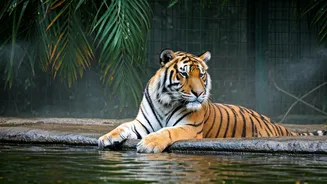
For instance, the white tigress finds respite in her dedicated pool, which is consistently kept full to help regulate her body heat. Beyond individual enclosures, the zoo has established a system of ponds, showers, and coolers across all animal habitats to provide immediate relief from the intense sun. These measures, implemented last week, are vital for preventing heat-related ailments like heat stroke and heat stress, as noted by Zoo Superintendent Dr. Sharva Shah. Even the large cats benefit from installed coolers, while the hippopotamus enclosure's pond is diligently cleaned and refilled with fresh water, ensuring a constant cool environment for its inhabitants.
Hydration and Diet Focus
Beyond physical cooling structures, the Ahmedabad Zoo places significant emphasis on maintaining animal hydration and adjusting their diets during the hot season. Water is regularly sprayed within enclosures during the afternoons to lower the surrounding air temperature, creating a more comfortable microclimate. Furthermore, the animals receive a specialized summer diet that includes hydrating fruits like watermelons, muskmelons, and sugarcane, which are not only cooling but also provide essential nutrients. To combat dehydration effectively, Oral Rehydration Solution (ORS) is also administered. The zoo also leverages its natural landscaping, with the surrounding greenery playing a role in keeping the overall temperature lower than the immediate urban environment.
Nocturnal and Visitor Guidance
For the inhabitants of the nocturnal zoo, a distinct geological aeration method is employed, circulating cooler subterranean air to maintain stable and significantly lower temperatures compared to the external environment. This ensures that even animals active at night remain comfortable. In addition to these operational strategies, the zoo also provides guidance to visitors. Guests are respectfully asked not to disturb any animals they find resting in shaded areas. This is a crucial part of the animals' natural behavior to self-regulate their body temperature and conserve energy during the peak heat of the day, and respecting their need for rest is paramount for their well-being.