





The Rod Revolution
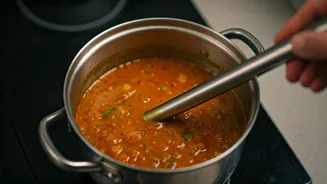
In the face of widespread Liquefied Petroleum Gas (LPG) shortages across India, households are increasingly resorting to inventive cooking solutions. A recent viral video exemplifies this ingenuity, showcasing
a man opting for an immersion rod to prepare a pot of curry. The clip, initially shared on Instagram, carries the telling text overlay 'Gas gone, heat rod on.' This unorthodox approach, while highlighting resourcefulness, has undoubtedly pushed the boundaries of conventional cooking methods. Immersion rods are typically designed for heating liquids like water for bathing or cleaning, not for direct food preparation. However, the pervasive scarcity of cooking fuel is compelling people to explore less conventional alternatives to ensure meals are prepared.
Online Reactions Pour In
The unconventional cooking technique quickly captured the internet's attention, eliciting a wide spectrum of reactions, from amusement to apprehension. Social media platforms buzzed with comments, with one user humorously remarking, 'Minto ka kaam ghanto mai,' translating to 'An hour's work in minutes,' a nod to the perceived efficiency. However, the lightheartedness was quickly tempered by serious safety concerns. Many users voiced worries about potential health risks, with one commenter warning, 'Immersion rods are designed for heating water for bathing or cleaning, not for direct food preparation. This can cause severe stomach infections.' Another added a stark caution against consuming food cooked in this manner, explaining that 'this heater leaves residue after using for a while, so think before you act and always cook food on gas or with our primary Indian style by burning wood.' On a lighter note, some drew parallels to pre-induction stove eras, reminiscing about older cooking methods.
Household Adaptations Unfold
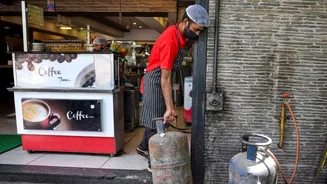
This viral video offers just a snapshot of the broader culinary adaptations occurring in Indian homes due to the ongoing LPG scarcity. As gas cylinders become increasingly difficult to obtain, families are actively seeking and implementing alternative cooking methods. Beyond the immersion rod incident, this includes a resurgence in the use of traditional wood-fired stoves, a greater reliance on electric appliances like induction cooktops and electric kettles, and even a shift towards simpler, no-cook meal options. The economic and logistical challenges posed by the shortage are fostering a period of significant innovation and reevaluation of everyday cooking practices across the nation.
Shifting Meal Patterns
The impact of the LPG shortage extends beyond just the methods of cooking; it is also fundamentally altering the types of meals being prepared and consumed. Families are now prioritizing dishes that require less cooking time and energy. This has led to a simplification of daily menus, with many opting for quick preparations that can be made efficiently. In some instances, even beverages like tea are being substituted with faster alternatives such as simple lemon water. This adjustment in meal planning reflects a strategic effort to conserve fuel resources and manage household resources more effectively during this period of scarcity, demonstrating a pragmatic approach to everyday living.