






Procurement Milestones Achieved
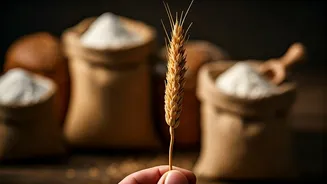
As of the close of April, Uttar Pradesh's government has successfully procured a substantial volume of wheat, amounting to 6.10 lakh metric tonnes. This significant achievement is complemented by the disbursement
of Rs 1,318 crore, directly benefiting 115,854 farmers across the state. The government spokesperson highlighted that procurement centres have been fortified with enhanced arrangements, ensuring that processes such as weighing, storage, and payment are meticulously streamlined and transparent. This approach aims to eliminate any potential difficulties faced by farmers when bringing their produce to market. Clear directives have been issued to officials, mandating the availability of adequate resources at every procurement location to prevent any farmer from being turned away without a transaction.
Regional Performance Spotlight
The Purvanchal region of Uttar Pradesh has demonstrated outstanding performance in wheat procurement for the current season. Specifically, the district of Deoria has emerged as a leader, achieving the highest procurement rate in the state at 55.82%. Other districts are also making commendable progress in their efforts. These include Basti, Pratapgarh, Balrampur, and Sant Kabir Nagar, all contributing to the overall success of the procurement drive. This enhanced performance is attributed to improved management strategies and the implementation of a transparent system, which have collectively fostered a greater sense of confidence among the farming community regarding the sale of their crops.
Adapting to Weather Challenges
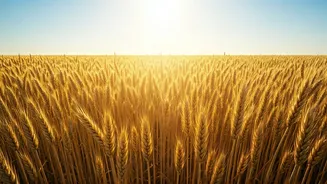
This year's wheat crop faced adverse conditions due to unseasonal rains, which unfortunately impacted the quality of the grains, leading to shrivelled kernels and diminished natural lustre. Recognizing the potential financial strain on farmers, the central government has stepped in with crucial relief measures. Farmers are now permitted to sell wheat that exhibits up to 70% loss of lustre and contains up to 20% shrivelled or broken grains without incurring any price reductions. This decision is a significant safeguard, protecting farmers from financial losses that might have arisen from the compromised quality of their harvest.
Digital Integration and MSP
The entire procurement workflow, from the initial registration phase through to the final payment, has undergone a comprehensive digitization process. This digital transformation allows farmers to easily register their details and receive payments directly into their bank accounts, simplifying the entire transaction. Furthermore, the government is actively reinforcing its monitoring mechanisms. These strengthened oversight measures are designed to ensure that a maximum number of farmers can access and benefit from the Minimum Support Price (MSP) for their produce, thereby guaranteeing a fair return for their hard work and investment.