



A Novel Safari Experience
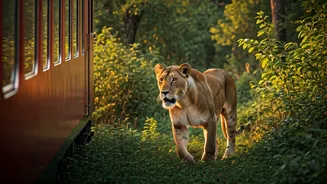
Prepare for an unprecedented way to explore the majestic home of the Asiatic lion. Indian Railways is introducing a novel safari experience within Gujarat's renowned Gir forest, allowing passengers to journey
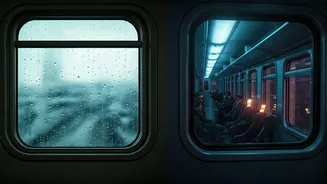
through the wilderness aboard a specially designed train. This initiative aims to provide an immersive encounter with nature, simulating the feeling of being enveloped by the jungle. The Bhavnagar railway division has put forth a compelling plan to utilize air-conditioned Vistadome coaches, which are equipped with expansive glass windows and ceilings. These coaches will also feature rotating seats, enabling travelers to take in the breathtaking 360-degree views of the surrounding landscape and its inhabitants. This innovative approach promises to offer a completely new perspective on wildlife tourism, moving beyond traditional methods to create a truly memorable adventure for all who embark on this remarkable route.
Vistadome Coaches & Cuisine
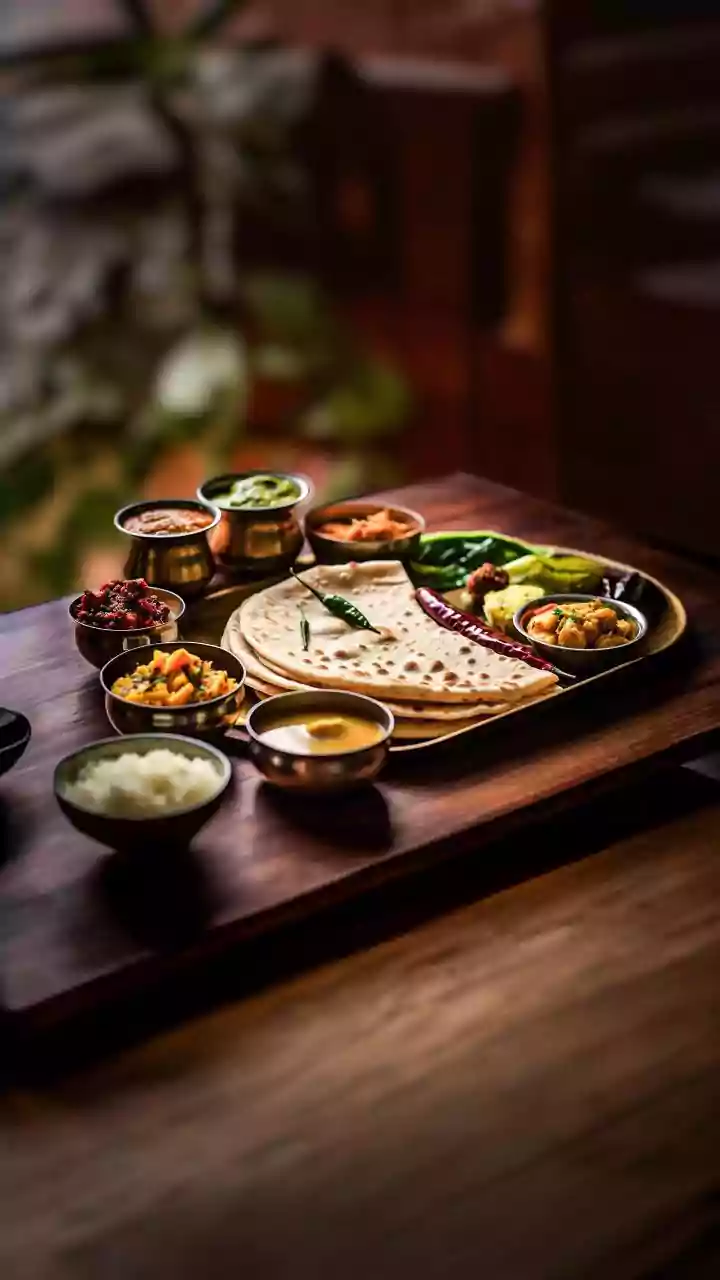
The heart of this new safari experience lies in its specially curated Vistadome coaches. These aren't just ordinary train carriages; they are designed to be viewing platforms, boasting colossal glass windows and transparent roofs. This architectural marvel ensures that passengers can witness the stunning vistas of Gir National Park in their entirety, without any obstruction. The rotating seats further enhance this immersive experience, allowing for a complete scan of the panoramic scenery. As travelers soak in the natural beauty, they will also have the opportunity to indulge in the rich culinary heritage of Gujarat. The train will offer delectable local dishes, adding a gastronomic dimension to the wildlife adventure. This combination of visual spectacle and culinary delight is set to make the journey an all-encompassing sensory experience for visitors venturing into the lions' domain.
Routes and Heritage Focus
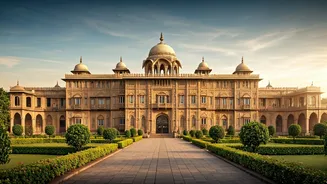
The proposed safari will traverse existing metre gauge routes within the Gir landscape, with Sasan Gir serving as the central point of this tourism initiative. Two primary routes have been identified: Junagadh to Delwada and Talala to Kansiyanesh. Crucially, these routes pass through areas known for their association with the Asiatic lion population. Railway officials are envisioning these tracks as dedicated lion safari corridors, aiming to blend the thrill of wildlife tourism with the preservation of the historical metre gauge railway network. This dual focus on tourism and heritage preservation is a key aspect of the project. The Sasan Gir railway station, along with four others—Savni, Talala Junction, Kansiyanesh, and Visavadar—are slated for heritage-themed redevelopment. These stations will be revitalized to reflect a traditional aesthetic while incorporating modern amenities like air-conditioned waiting rooms, enhancing the overall passenger experience.
Operationalizing the Safari
The operationalization of this unique lion safari hinges on the approval of the action plan and the establishment of the necessary infrastructure. Divisional railway manager Dinesh Verma has confirmed that once these prerequisites are met, the safari will be implemented. A feasibility study has already been conducted and has affirmed the suitability of using specially designed metre gauge Vistadome coaches for this purpose. To ensure a smooth and comfortable journey, the proposed train will also include a pantry car for onboard catering services and a power van to support all operational needs. The proposal received significant impetus following a recent visit by Aashima Mehrotra, executive director (heritage) of the Railway Board, where discussions centered on transforming the Gir-connected metre gauge section into a distinctive rail-based wildlife tourism product. Verma's recent inspection of the section further emphasized strengthening the unique identity of the metre gauge network and exploring its full tourism potential.
A First-of-its-Kind Initiative
This project represents a pioneering effort in wildlife safaris within India, offering an innovative alternative to conventional jeep safaris. The existing metre gauge line provides a cost-effective and practical foundation for this initiative, as a conversion to broad gauge is not permissible. This proposal effectively leverages existing infrastructure to generate revenue while providing an unparalleled wildlife viewing experience. Forest department officials have expressed openness to the proposal, recognizing its potential benefits. Such an undertaking could alleviate the pressure on traditional jeep safaris, thereby contributing to better conservation efforts and further boosting tourism in the Gir region. The Sasan Gir railway station's role as the primary entry point for sanctuary visitors positions it as a central hub for this exciting new rail safari.