






Caffeine's Lingering Effects
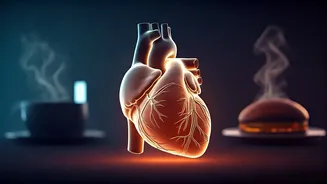
The comforting ritual of an evening coffee or tea can be more disruptive than you realize. Caffeine, a potent stimulant, remains in your system for up to six hours or even longer, according to the US Food
and Drug Administration (FDA). This means a 7 pm beverage can still be actively stimulating your body at midnight, preventing your heart from truly switching off. This continuous stimulation can lead to elevated heart rate and blood pressure, directly interfering with the body's natural recovery processes and creating a cycle of fatigue and stress that impacts overall health.
Alcohol's Sleep Deception
While alcohol might induce drowsiness and make you feel sleepy, it significantly disrupts the sleep cycle, leading to fragmented and poor-quality rest. Dr. Sharma warns that this disruption can even trigger arrhythmias, or irregular heart rhythms, particularly during the night, which may go unnoticed for extended periods. The consumption of alcohol is recognized as a contributing factor to high blood pressure and heart disease, underscoring the deceptive nature of its perceived sleep-aiding qualities. Although your body may appear to be at rest, your heart remains under duress.
The Rhythm of Recovery
Evenings are when your body naturally transitions into a recovery phase, typically after 7 pm. During this period, blood pressure, heart rate, and metabolic activity gradually decrease, allowing for essential repair work. Dr. VP Sharma emphasizes that disrupting this circadian recovery rhythm places undue strain on the cardiovascular system. The issue isn't necessarily what happens during the day, but rather the continuation of stimulating activities long after the body should be winding down, preventing the heart from entering its necessary restorative state.
Sleep Procrastination Risk
The habit of delaying sleep, often by engaging with screens or postponing bedtime, has serious consequences for heart health. Dr. Sharma points out that consistently adopting 'night-owl' sleep patterns is linked to a significant increase, up to 16%, in the risk of heart attack or stroke. The American Heart Association (AHA) also corroborates this by associating insufficient sleep duration and irregular sleep schedules with heightened cardiovascular risks. Sleep is not a passive state; it's a critical period for the heart's self-repair, and reducing this time directly curtails vital recovery processes.
Late-Night Stimulation Dangers
Engaging in intense activities late in the evening, such as late work calls, strenuous workouts, or smoking, elevates cortisol levels and stimulates the heart. Dr. Sharma strongly advises against such activities in the evening hours. Nicotine, in particular, is detrimental as it constricts blood vessels and elevates blood pressure. The World Health Organization (WHO) identifies tobacco use as a primary global cause of cardiovascular disease. These activities prevent the body from relaxing, keeping it in a state of heightened alert when it should be preparing for rest.
Dinner's Cardiovascular Impact
Consuming the day's heaviest meal late in the evening creates significant digestive demands when the body is meant to be winding down. This diverts blood flow to the digestive system, forcing the heart to work harder and disrupting the natural nighttime dip in blood pressure. Dr. Sharma explains that eating within two to three hours of bedtime can negatively affect nighttime blood pressure regulation and glucose metabolism. A government-backed study further linked late-night eating to increased obesity risk and poorer metabolic health, highlighting that lighter, earlier dinners are crucial for allowing the heart adequate rest.
Screen Exposure's Rhythm Break
The pervasive habit of scrolling on screens before bed disrupts the body's natural sleep-wake cycle. The blue light emitted by these devices signals to the brain that it is still daytime, thereby delaying the release of melatonin, the hormone responsible for initiating sleep. This leads to shorter, lower-quality sleep. Dr. Sharma notes that nighttime light exposure can elevate the risk of cardiovascular conditions by as much as 30–50%. The heart relies on regularity, and screen usage effectively breaks this essential rhythm.
Salty Snacks and Pressure
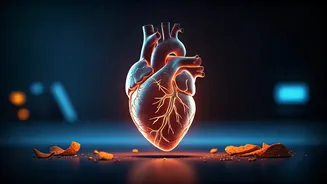
Late-night cravings often lead to the consumption of salty snacks like chips and processed foods, which are high in sodium. Dr. Sharma explains that these snacks cause the body to retain water, increasing the volume of blood the heart must pump. This added fluid load consequently raises blood pressure at a time when it should naturally be decreasing. The issue extends beyond mere calorie intake; it directly impacts the pressure within the arterial system, placing unnecessary stress on the heart during its rest period.