
The Ambitious Target
India has set an extremely ambitious target for its renewable energy sector. The goal is to generate 500 GW of power from renewable sources by 2030. This target signifies a substantial increase from the
current levels and reflects the country's dedication to combating climate change and reducing carbon emissions. This target indicates a proactive approach toward sustainability. The shift toward renewable energy aligns with global efforts to mitigate the effects of climate change. This will involve significant investments in solar, wind, and other renewable energy technologies across the nation. The government is expected to launch several policy initiatives and provide incentives to accelerate the transition, which underscores the seriousness of the goal. The 500 GW target is intended to be a driving force towards a cleaner energy landscape.
Government Initiatives
To accomplish this massive renewable energy objective, the Indian government is anticipated to roll out a comprehensive set of initiatives. These programs will likely include financial incentives, such as subsidies and tax breaks, to encourage investment in renewable energy projects. Moreover, streamlined regulatory processes and easier land acquisition rules will be implemented to speed up the development of solar and wind farms. The government is anticipated to promote research and development in renewable energy technologies. It will include efforts to improve the efficiency and cost-effectiveness of solar panels, wind turbines, and other renewable energy solutions. International collaborations and partnerships are also expected to play a crucial role. These partnerships will help to secure funding, share knowledge, and promote technological advancements. All of these combined will make India's target more accessible.
Key Renewable Sources
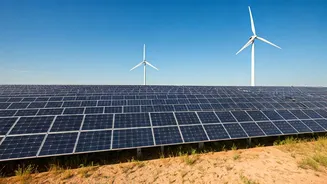
The path to achieving the 500 GW renewable energy goal will focus on several key sources. Solar energy is expected to be a primary contributor, with substantial investments planned in solar power plants across the country. Wind energy will also play a significant role. The government plans to expand wind farms in various regions, especially those with high wind potential. Hydroelectric power, including both large and small-scale projects, will be included in the renewable energy mix. The government is also exploring the potential of other sources, like biomass and geothermal energy. This diversification will ensure a balanced and resilient renewable energy portfolio. Combining these sources is meant to optimize the energy generation and reliability.
Impact and Benefits
The achievement of the 500 GW renewable energy target will have far-reaching positive effects on India. It will significantly reduce the country's reliance on fossil fuels. This transition will lead to decreased carbon emissions and improve air quality in many cities. It will also enhance energy security by decreasing dependence on imported fuels. The renewable energy sector is set to create numerous job opportunities. New jobs will be created in manufacturing, installation, operation, and maintenance of renewable energy infrastructure. The adoption of renewable energy will help in the reduction of electricity costs. It will offer a more affordable and sustainable energy source for homes and businesses. The transition will also promote economic growth. The sustainable initiatives are set to boost India's image and global standing.