







Sunlight's Hidden Obstacles
It's a paradox many face: basking in sunshine yet suffering from Vitamin D deficiency. The reason often lies in overlooked factors that prevent the body from synthesizing this essential vitamin. Direct
sun exposure, specifically between 10 am and 3 pm, is crucial, as this is when the sun's UVB rays are strongest and most effective for Vitamin D production. Many people mistakenly believe early morning or late evening sun exposure is sufficient, but these times lack the necessary UVB intensity. Furthermore, invisible barriers like glass windows significantly block these vital rays, rendering indoor sunbathing ineffective. Even the consistent application of high-SPF sunscreen, while beneficial for sun protection, can drastically reduce Vitamin D synthesis. Adding to the complexity, air pollution, particularly in urban settings, can scatter or absorb UVB radiation, meaning the sun's rays may not reach the skin optimally, even on a clear day. These combined factors create a scenario where the perceived sun exposure doesn't translate into actual Vitamin D generation.
Skin Tone & Lifestyle Factors
Beyond environmental barriers, individual characteristics and daily habits play a significant role in Vitamin D absorption. Individuals with darker skin tones possess more melanin, a natural pigment that offers protection but also requires longer sun exposure to produce the same amount of Vitamin D compared to lighter skin. This inherent difference means that even with similar exposure times, darker-skinned individuals may synthesize less of the vitamin. Compounding this are modern lifestyle choices, such as prolonged indoor work hours, extensive screen time, and a general lack of outdoor activity. These habits reduce opportunities for meaningful sun exposure. The cumulative effect of these daily misses, where sunlight is either insufficient due to timing, blocked by barriers, or hindered by personal physiology and lifestyle, can lead to a gradual decline in Vitamin D levels, often without noticeable immediate symptoms.
The Critical Absorption Puzzle
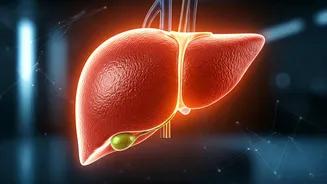
Even when sun exposure seems adequate, the body's ability to absorb and utilize Vitamin D can be compromised. This aspect is frequently overlooked, leading to persistent deficiency. Certain health conditions can hinder absorption; for instance, gut health issues may reduce the body's capacity to take in nutrients effectively. The liver and kidneys are vital for converting Vitamin D into its active form, so impairments in these organs can disrupt the process. Obesity is another significant factor, as Vitamin D is fat-soluble and can become trapped in adipose tissue, making it less available for the body's use. Furthermore, low magnesium levels are known to interfere with the activation of Vitamin D within the body. Surprisingly, highly restrictive low-fat diets, often adopted for weight management, can also impede absorption, as dietary fat is necessary for this fat-soluble vitamin. Stress and a sedentary lifestyle can also negatively impact metabolic processes involved in nutrient processing, contributing to a deficiency despite seemingly appropriate sun exposure.
Actionable Steps for Improvement
Addressing Vitamin D deficiency requires targeted, not drastic, adjustments to daily routines. A balanced approach involves optimizing sun exposure by stepping outdoors between 10 am and 3 pm for about 15-30 minutes, ensuring exposed skin like arms, face, and legs receive direct sunlight without sunscreen during this brief period. Integrating Vitamin D-rich foods into the diet is also crucial; examples include eggs, fortified milk, and fatty fish. To support magnesium intake, which aids Vitamin D activation, incorporate nuts, seeds, and whole grains into meals. Regular physical activity can enhance metabolic function, further aiding nutrient absorption. For those with significant deficiencies, supplementation might be necessary, but it should be guided by blood test results to determine the correct dosage and avoid random intake. Periodic monitoring of micronutrient levels is highly recommended, especially for individuals at higher risk, ensuring a strategic and effective restoration of Vitamin D levels.