


A Farmer's Vision
In the heart of Rajasthan's Kota district, a remarkable agricultural innovation has taken root, thanks to the ingenuity of Shri Kishan Suman. For decades, India has cherished its mangoes, a beloved fruit
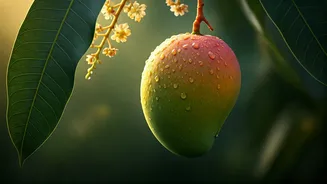
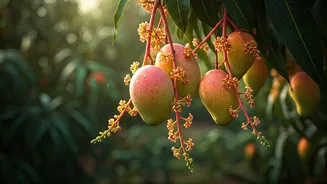
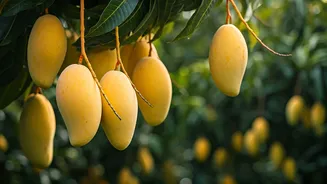
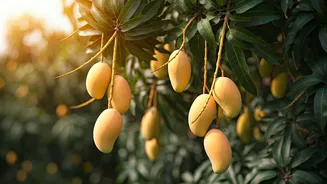
savored once a year during the sweltering summer months. However, Suman, a farmer with a pioneering spirit, has challenged this tradition by cultivating a unique mango variety named 'Sadabahar'. This extraordinary fruit possesses the ability to bloom and yield its delicious harvest not just once, but an astonishing three times within a single year. This breakthrough has captured the attention of agricultural experts and mango enthusiasts nationwide, offering a promising solution to the inherent seasonality of mango production and potentially transforming the availability of this cherished fruit.
The 'Sadabahar' Genesis
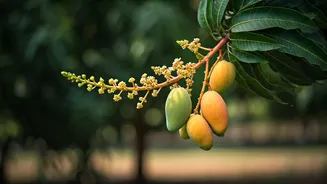
Shri Kishan Suman's journey to creating the 'Sadabahar' mango began not with mangoes, but with flowers. After experiencing unstable prices in traditional crops like rice and wheat, he ventured into floriculture in 1995, cultivating roses, mogra, and thuja. His innovative spirit shone through when he successfully produced rose plants with seven distinct colors on a single stem. This success inspired him to explore similar possibilities with mangoes. He began by acquiring mango stones from various varieties and meticulously nurturing them. Through a process of grafting saplings onto rootstock, he observed a particular tree that defied expectations by flowering multiple times a year, specifically in January-February, June-July, and September-October. Around the year 2000, Suman dedicated his efforts to cultivating this exceptional tree, eventually leading to the birth of the 'Sadabahar' variety.
A Mango Like No Other
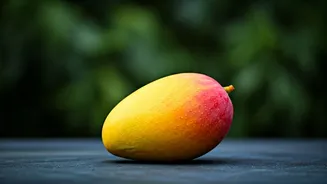
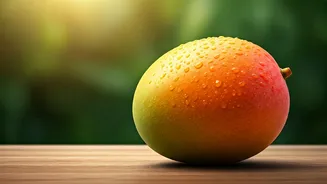
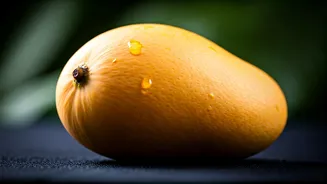
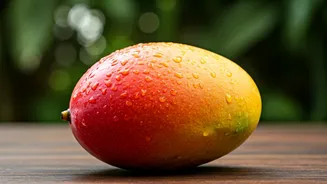
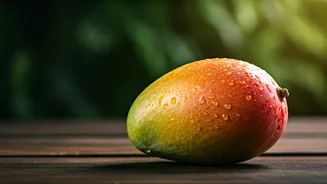
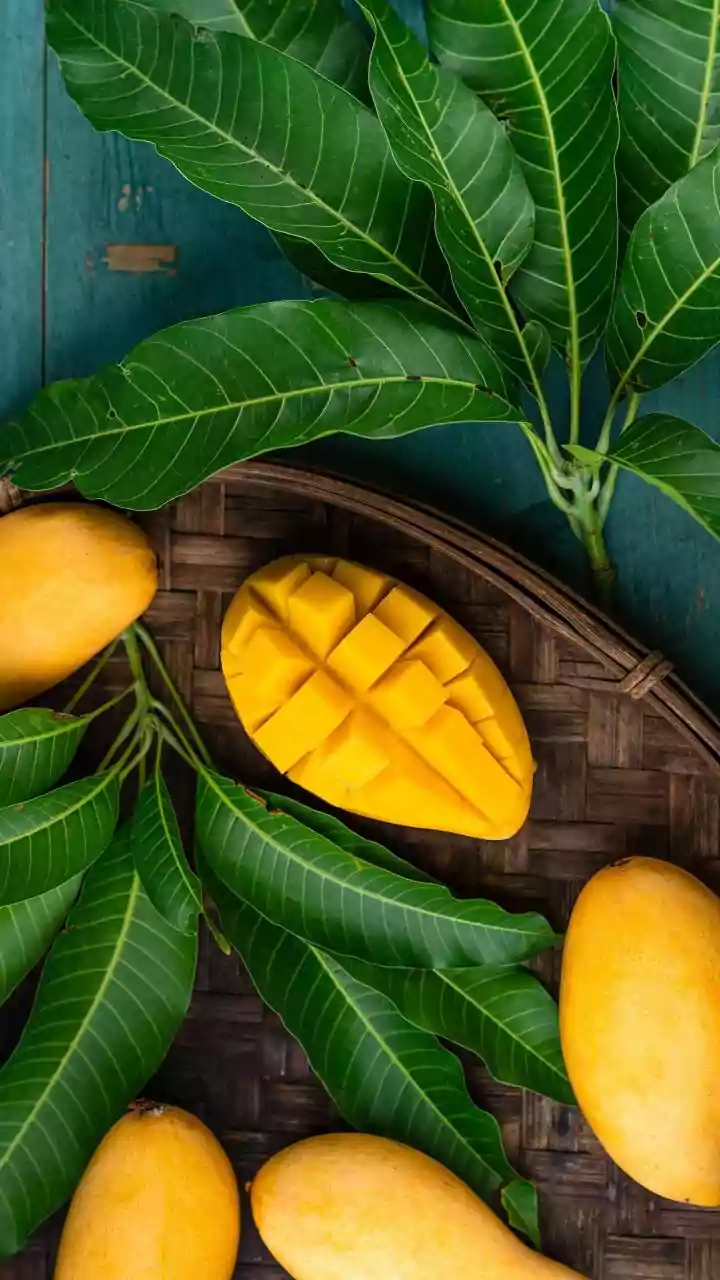
The 'Sadabahar' mango is more than just its ability to fruit year-round; it boasts qualities that rival the finest varieties. Suman developed it as a dwarf, disease-resistant type, and its taste, fiber-free texture, size, and saffron-orange hue are remarkably similar to the highly prized Alphonso. It distinguishes itself from other multi-fruiting varieties like Baramasi or Dofasla by its superior table quality. The word of Suman's remarkable achievement spread through the Honey Bee Network, reaching the National Innovation Foundation (NIF). Following NIF's guidance, Suman abstained from distributing 'Sadabahar' saplings for eleven years while the variety underwent extensive testing across the nation. By 2012, gifted plants began yielding fruit at Kamal Hissaria's farm near Kota, confirming the 'Sadabahar's' remarkable capabilities and its potential for widespread cultivation.
National Recognition Beckons
Shri Kishan Suman's groundbreaking work with the 'Sadabahar' mango has not gone unnoticed. In March 2017, his innovative contribution was honored with the prestigious Farm Innovation Award at Rashtrapati Bhavan, presented during the 9th Biennial Grassroots event organized by the National Innovation Foundation. This recognition underscores the significance of his agricultural achievement. The 'Sadabahar' mango trees are now a part of the Amrit Udyan at Rashtrapati Bhavan, a testament to their unique value. Furthermore, the variety has been officially registered under the Protection of Plant Varieties and Farmers’ Rights Act, ensuring its protection and acknowledging Suman's rightful ownership. While mango trees typically require about five years to bear fruit, the exceptional qualities of 'Sadabahar' make the anticipation and cultivation process a worthwhile endeavor for growers eager to experience its year-round delight.