






Project Aims Explained
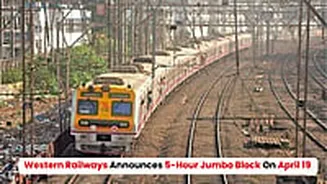
The ambitious Kurla-Parel 5th and 6th line project is a cornerstone of the Mumbai Urban Transport Project (MUTP), designed to fundamentally alter how trains operate on this vital central corridor. The core
objective is to create a clear separation between local train services and express or long-distance trains. By establishing these dedicated new lines, the existing four-line infrastructure, which currently handles all types of traffic between Kurla and CSMT, will be relieved of express train pressure. This segregation is not just about adding capacity; it's about optimizing the entire system. Local trains will benefit from increased frequency and reduced headways, meaning shorter waiting times for the vast majority of daily commuters. Simultaneously, express and long-distance trains will be able to maintain higher average speeds and improve their punctuality, as they will no longer be hindered by slower local services on the same tracks. This strategic expansion is crucial for handling the ever-increasing passenger load on Mumbai's suburban network, which serves as the city's primary mode of transport.
Overcoming Land Hurdles
A significant impediment that had stalled the Kurla-Parel 5th and 6th line project for an extended period was the complex and often protracted process of land acquisition, a common challenge for large-scale infrastructure development in Mumbai's densely populated urban landscape. The project required securing specific land parcels along the corridor, which involved intricate legal procedures, surveys, and negotiations with property owners and residents. Recent developments, however, indicate a breakthrough in this critical area. Reports confirm that substantial progress has been made in acquiring the necessary land, with the rehabilitation of 714 eligible project-affected families being a key factor in clearing this hurdle. This land acquisition, notably completed by January 20, has paved the way for the demolition of encroachments in key areas like Swadeshi Mill, Kurla, and Chunabhatti, which is expected to conclude within a month. This renewed momentum in land acquisition is vital for the project to move into its accelerated construction phase.
Expected Commuter Gains
The successful implementation of the Kurla-Parel 5th and 6th line project promises a transformative impact on the daily commutes of millions of Mumbaikars. The primary benefit will be a significant increase in train frequency for local services. With dedicated lines for express and long-distance trains, the existing infrastructure can be optimized for shorter intervals between local trains, dramatically reducing passenger waiting times and alleviating overcrowding on platforms. Furthermore, the separation of traffic is expected to boost the punctuality of both local and express services. Long-distance trains will experience fewer disruptions, ensuring more reliable arrival and departure schedules. This overall enhancement in operational efficiency will lead to a considerable reduction in congestion across the central suburban railway line. Consequently, commuters can anticipate a more predictable, less stressful, and generally improved travel experience, making their daily journey more manageable and efficient.
Construction Progress and Future
The Kurla-Parel stretch, a significant portion of the overall 17.5 km corridor planned from CSMT to Kurla under MUTP-II, is currently experiencing considerable forward movement. Approximately 35% of Phase 1, which covers the Kurla-Parel section, has already been completed. The target for the completion of this phase is set for 2027. The laying of the fifth and sixth lines specifically for segregating fast suburban from long-distance services is progressing on this stretch. While Phase 1 is gaining momentum, Phase 2, which extends from Parel to CSMT, still faces land acquisition challenges that need to be addressed. The total estimated cost for this monumental undertaking stands at Rs 1,337 crore. Despite the ongoing challenges inherent in constructing such a vital piece of infrastructure within a bustling metropolis, the renewed push, bolstered by the land acquisition milestone, suggests a strong commitment to realizing the project's completion and realizing its benefits for the city's rail network.