







The Science of Discoloration
The common phenomenon of atta dough transforming into a darker shade, often black or grey, is primarily attributed to a process called oxidation. When wheat flour, especially when mixed with water, comes
into contact with air, the oxygen present initiates a reaction with various compounds within the flour. This chemical interaction is a natural one and is responsible for the color change. Furthermore, wheat flour contains inherent enzymes that remain active, even at cooler refrigerator temperatures. These enzymes continue their work over time, subtly altering both the color and texture of the dough, contributing to its darkening. The presence of excessive moisture in the dough can significantly accelerate these enzymatic reactions, making the dough more susceptible to rapid spoilage and discoloration, as excess water enhances enzyme activity.
Summer Fermentation Woes
During the hot summer months, the elevated temperatures can significantly speed up the fermentation process in atta dough. Even when stored in the refrigerator, this fermentation can begin after just a few hours, leading not only to a darker hue but also to a mild sour aroma. If the dough is not kept in a clean, hygienic container, this spoilage process is further accelerated. An unhygienic environment can result in the dough developing an unpleasant odor or a sticky, slimy texture, rendering it unappetizing and unsafe for consumption. Using very old flour can also play a role, as it tends to react more quickly to air and moisture, leading to faster oxidation and discoloration.
Airtight Container Essentials
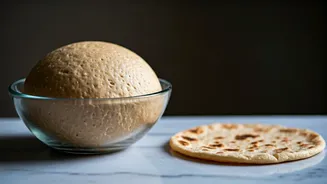
To effectively combat spoilage and maintain the desirable texture of your atta dough, storing it in an airtight container is a crucial step. This method is highly recommended as it significantly minimizes the dough's exposure to both air and ambient moisture. By creating a sealed environment, you prevent external elements from interacting with the dough, which helps in preserving its softness and integrity. This simple practice acts as a barrier, slowing down the natural processes that lead to discoloration and staleness, thereby extending the usable life of your kneaded dough.
Portioning for Freshness
A remarkably effective strategy to prevent dough spoilage, particularly when you've prepared a larger batch, is to divide it into smaller, manageable portions before storing. This technique offers a significant advantage by reducing the extent to which the entire batch is subjected to air and temperature fluctuations each time you access it. Instead of repeatedly opening and exposing a large mass of dough, you only disturb the portion you intend to use. This controlled exposure helps maintain the freshness of the remaining portions, minimizing oxidation and slowing down any potential fermentation, ensuring that each use yields dough that is as fresh as possible.
The Oil Layer Trick
Before you place your atta dough into the refrigerator, consider applying a thin, even layer of cooking oil over its surface. This simple yet highly effective method creates a protective barrier between the dough and the surrounding air. The oil acts as a shield, significantly reducing direct contact with oxygen, which is the primary culprit behind oxidation and subsequent discoloration. By forming this barrier, you effectively slow down the chemical reactions that lead to the dough turning black, helping to preserve its color and freshness for a longer period, making it a vital step in maintaining dough quality.
Timely Consumption is Key
While it's convenient to prepare atta dough in advance, it's paramount to be mindful of its shelf life to ensure you're consuming it safely and at its best. Experts advise that refrigerated atta dough should ideally be used within a 12 to 24-hour window. Exceeding this timeframe significantly increases the risk of spoilage, even with proper storage methods. If you notice any signs of significant discoloration, unpleasant odor, or changes in texture, it is best to discard the dough safely and prepare a fresh batch. Prioritizing timely consumption ensures the quality and safety of the food you prepare.