



Block Heat Externally First
To effectively combat rising indoor temperatures, the primary strategy should focus on preventing sunlight from even reaching your home's interior. This proactive approach is far more efficient than trying
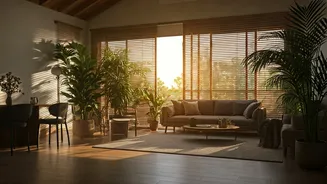
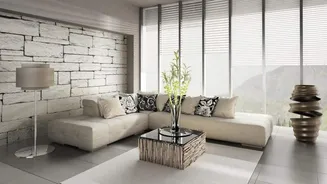
to cool down an already heated space. Simple yet powerful solutions like blackout curtains, reflective blinds, and traditional bamboo chick screens are excellent for windows. For homes on higher floors or with terraces, architectural additions such as pergolas, extended roof overhangs, and tensile fabric shading can make a substantial difference in reducing heat absorption. When these external shading elements are thoughtfully integrated, they not only serve a functional purpose but also enhance the aesthetic appeal of the building, becoming a refined architectural feature.
Embrace Terracotta's Charm
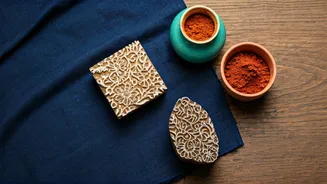
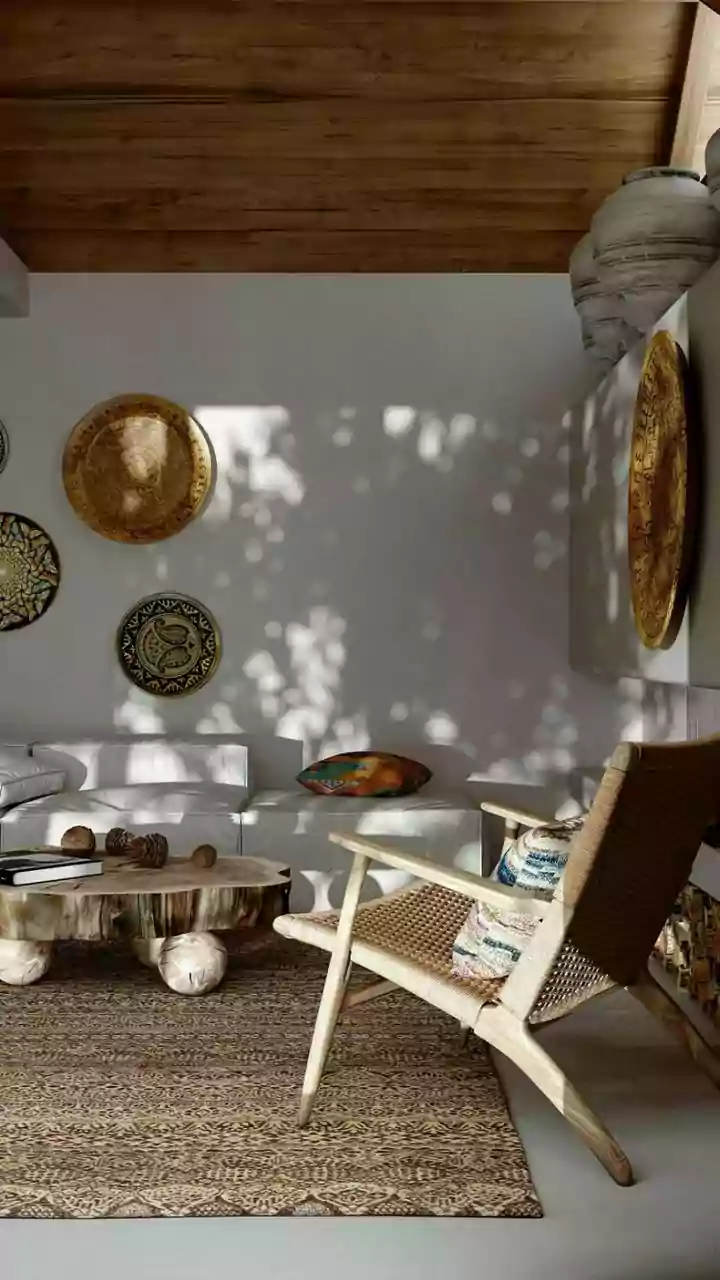
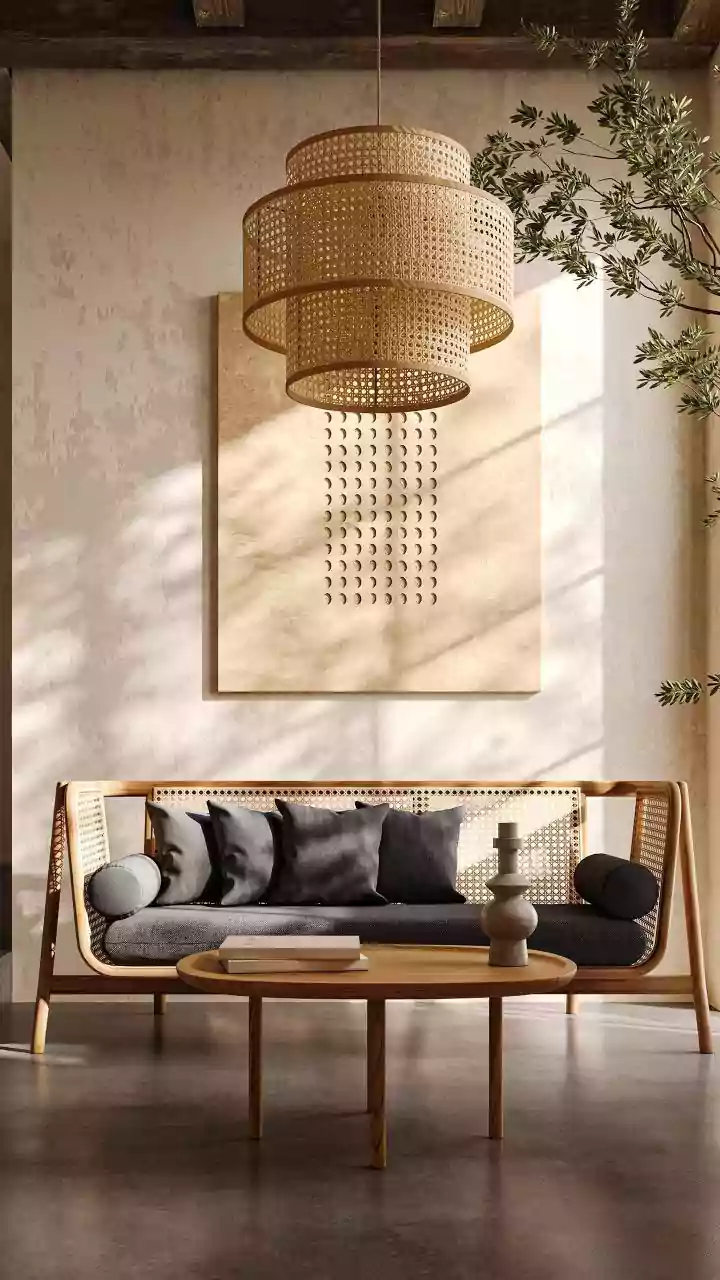
The architectural heritage of cities like Jaipur offers timeless wisdom on passive cooling. Historically, perforated screens, known as jaalis, and shaded courtyards were employed to filter intense sunlight and allow buildings to "breathe." Modern interpretations of this concept involve using terracotta for partitions, wall finishes, or decorative jaali-inspired panels. This natural material not only introduces appealing texture and visual depth but also offers practical cooling benefits. Terracotta possesses inherent cooling properties, ages gracefully, and imparts a warm, grounded aesthetic that feels custom-designed rather than merely decorative, contributing to a more comfortable living environment.
Design for Natural Airflow
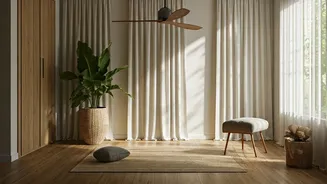
While air conditioners provide immediate cooling, they often fail to address the issue of trapped hot air within a space. Prioritizing cross-ventilation is a sophisticated design choice that fundamentally alters how a home feels during hot weather. By opening windows on opposing sides of the house, especially during cooler evening hours, you facilitate the natural escape of accumulated warm air. Complementing this, ceiling fans and strategically placed, unobtrusive exhaust systems can enhance air circulation without compromising the interior's design integrity. Homes designed with aligned openings and open, breathable floor plans consistently feel cooler, quieter, and more harmoniously balanced.
Greenery as a Climate Tool
Indoor plants are frequently viewed as purely decorative elements, but they actually function as effective microclimate regulators. Through a process called transpiration, plants release moisture into the surrounding air, which helps to counteract the dry, stifling atmosphere that can build up indoors during hot periods. Varieties like snake plants, peace lilies, and various ferns are well-suited to Indian climates and thrive in sunny spots. In contemporary interiors that often feature materials like stone, metal, and glass, the inclusion of lush greenery adds a vital sense of tranquility and can evoke a serene, resort-like ambiance, significantly enhancing the overall comfort of the living space.
Elevate Balcony Living
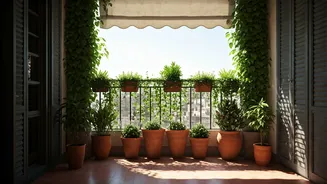
Balconies are evolving beyond mere functional extensions to become integral parts of curated outdoor living spaces. When thoughtfully designed, they can serve as effective heat barriers, preventing external warmth from encroaching upon the main interior areas of the home. Incorporating elements such as deck flooring, pergola shading, external blinds, and strategically placed tall planters helps to mitigate glare and soften the impact of direct heat. Adding a small seating area, ambient layered lighting, and tactile finishes can transform the balcony into a private, usable, and climate-conscious retreat, extending your living space comfortably outdoors.