







Coastal City's Predicament
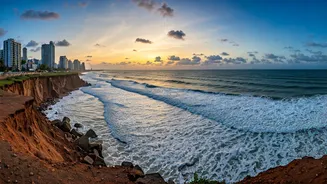
Visakhapatnam, a major coastal city, is staring down the barrel of a significant environmental challenge. Projections reveal that the sea level in the city is expected to rise considerably by 2100, a prediction
carrying with it the potential to reshape the coastline. If current trends persist, the sea level could escalate by as much as 98 cm. This impending increase poses considerable implications. The situation demands immediate attention and a comprehensive strategy to mitigate the consequences. The city will need to address the rising sea level through a combination of defensive measures, urban planning adjustments, and community awareness initiatives.
Understanding the Impact
The predicted sea-level increase in Visakhapatnam holds the potential to significantly affect the city. Such a rise can exacerbate coastal erosion, potentially causing the loss of land and infrastructure. Furthermore, it increases the risk of flooding, particularly during high tides and cyclones, which are common in the region. The salinization of freshwater resources is another worry, as seawater may seep into groundwater and contaminate the city's drinking water sources and agricultural lands. Moreover, the increased inundation could affect the city's ecosystems, including the destruction of mangroves and other critical coastal habitats. Consequently, this scenario is a serious threat to the city's economic, social, and environmental well-being.
Mitigation Strategies Needed
To address the projected sea-level rise, Visakhapatnam needs to proactively implement a range of mitigation measures. One crucial step is investing in coastal protection infrastructure. This may involve constructing sea walls, revetments, and other barriers to protect vulnerable areas from the rising sea. Simultaneously, enhancing the natural defenses such as preserving and expanding mangrove forests and building artificial reefs can help absorb wave energy and reduce coastal erosion. Moreover, the city's urban planning must be adjusted. This may mean restricting construction in low-lying areas, elevating critical infrastructure, and ensuring drainage systems are improved to manage increased runoff. It is imperative that all these efforts take place quickly.
Community Involvement Essential
The success of any adaptation strategy in Visakhapatnam hinges on community participation. Raising public awareness about the risks of rising sea levels and the importance of adaptation measures is key. This could be achieved through educational campaigns, community meetings, and the involvement of local organizations. The city must collaborate closely with the community to formulate and implement strategies that cater to their unique requirements. Residents should be actively involved in decision-making processes. They should also be encouraged to adopt sustainable practices, such as water conservation and responsible waste management. Empowering the community with knowledge and resources will ensure long-term resilience and build community ownership of the adaptation efforts.
Long-Term Planning Focus
Looking forward, long-term planning is absolutely critical for Visakhapatnam. The city requires the development of a comprehensive climate change adaptation plan. This should include detailed assessments of the city's vulnerability, including mapping areas at high risk from sea-level rise. Also, the plan must outline specific adaptation measures, along with a schedule for their implementation. Collaborating with national and international climate organizations is equally essential to access expertise, funding, and resources. Regular monitoring and evaluation of the adaptation plan, coupled with making periodic revisions based on scientific research and real-world outcomes, are necessary to ensure the strategy remains current and effective in the face of the changing climate.