






Airspace Restrictions Spark Chaos
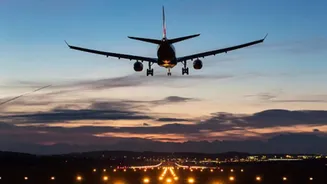
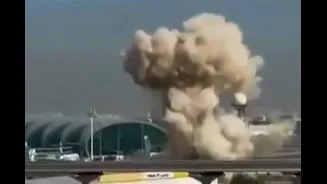
Military actions linked to the escalating Iran-Israel-US conflict led to widespread flight suspensions and route diversions across crucial Gulf airways. Major aviation hubs like Doha and Dubai, normally
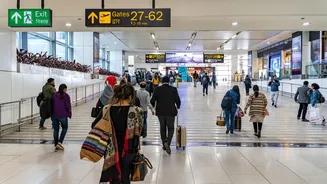
bustling international gateways, experienced significant operational disruptions. This sudden halt in air travel left tens of thousands of passengers stranded, facing indefinite waits with no clear timeline for flight resumptions, creating one of the most substantial travel disruptions since the COVID-19 pandemic. For individuals like Krishnan, the uncertainty of when travel would normalize was a growing concern, forcing many to reconsider their options beyond the airport terminals.
The Desert Route Decision
Instead of passively waiting for flights to resume, Krishnan made a bold choice to circumvent the airport paralysis. He decided to embark on an overland journey, driving across the desert from Qatar to Saudi Arabia. His strategy involved leaving Doha by road, crossing the border into Saudi Arabia, and then proceeding to Riyadh with the intention of finding onward travel options from there. This demanding expedition through remote desert highways presented a stark contrast to the usual ease of air travel, but in a crisis where air routes vanished overnight, such unconventional paths often become the only practical solutions for continuing a journey.
Regional Travel Paralysis
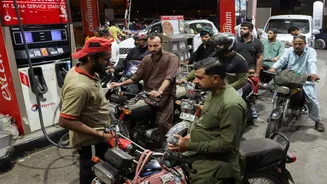
Krishnan's experience was far from unique; the escalating conflict plunged the entire region into a travel crisis. Thousands of travelers, including tourists and expatriate workers, found themselves caught in limbo as airspace closures and security advisories forced airlines to cancel or significantly reroute flights, often through longer and more costly paths. In some instances, citizens were advised by their governments to remain indoors until the security situation stabilized. The sheer scale of the disruption led to immense passenger backlogs, with reports indicating that tens of thousands scrambled for any available flights out of the Middle East as airlines struggled to restore services. Faced with overwhelmed airports and rapidly selling tickets, many resorted to alternative measures like lengthy road trips or navigating complex multi-country transit routes.
Indians Severely Affected
Indian nationals were disproportionately impacted by this widespread travel disruption, given the significant Indian population residing and transiting through Gulf countries. The region serves as a vital hub connecting India with destinations in Europe, North America, and Africa. When flights were halted, a substantial number of Indian passengers found themselves stranded, particularly in Doha. Reports indicated that over 500 Indian citizens were stuck in Qatar during this period, prompting swift diplomatic intervention and the organization of special evacuation flights. While the Indian Embassy in Doha facilitated the return of hundreds to cities like Delhi, Mumbai, and Kochi, many other travelers had to independently devise strategies to continue their journeys while awaiting official assistance. Krishnan's desert trek is emblematic of other extraordinary travel narratives that emerged, such as an American doctor's multi-continental 62-hour odyssey to reach the United States after being stranded in Qatar.
Global Ripples of Airspace Closures
The geopolitical events in the Middle East have far-reaching global consequences for air travel due to the region's strategic position in international aviation networks. Essential flight paths between Europe, Asia, and Africa frequently traverse Gulf airspace. The closure of these corridors compels airlines to either cancel flights outright or reroute aircraft on significantly extended journeys, circumnavigating conflict zones. This leads to a cascade of problems: widespread flight cancellations, substantially increased travel durations, higher operational costs for airlines due to increased fuel consumption, and massive passenger congestion at airports worldwide. The result is a domino effect that disrupts global travel far beyond the immediate geographical area of the conflict.
Emergency Response Measures
In response to the growing crisis, airlines and governmental bodies swiftly implemented emergency protocols to aid stranded travelers. These initiatives included the deployment of special evacuation flights, offering flexible ticket change and refund policies, providing consular support through embassies, and arranging temporary transit facilities in neighboring nations. As the airspace conditions gradually improved, several airlines operating in the region, including major Gulf carriers, began a phased restoration of their flight schedules. However, aviation authorities cautioned that ongoing regional tensions could prolong these disruptions. For many, the situation served as a stark reminder of the fragility of modern travel networks, which are susceptible to geopolitical instability, transforming routine journeys into improvisational expeditions.