






Prime Tiger Locations
Exploring the diverse landscapes of North Indian national parks opens doors to the thrilling experience of tiger sightings. Among the numerous gates, five stand out for their exceptional prospects. These
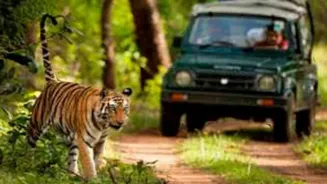
locations, with their unique geographical features and tiger population densities, consistently deliver higher chances of spotting a tiger. Visitors can optimize their wildlife adventure by focusing their efforts on these key entry points. These are generally areas with well-established tiger territories, abundant prey bases, and often, less dense vegetation, making it easier to spot the elusive predators.
Kanha National Park
Kanha National Park, located in Madhya Pradesh, offers several gates, with Mukki and Kisli being particularly renowned. These gates lead into prime tiger habitats, characterized by dense sal forests, meadows, and water bodies that attract both prey and predators. The park has a healthy tiger population, and the rangers and guides are experienced in tracking and predicting tiger movements. Mukki and Kisli's specific locations also offer high probabilities, as they are strategically positioned within known tiger territories. Visitors often report sightings along established trails and near waterholes, especially during the dry season when tigers are more reliant on water sources.
Bandhavgarh National Park
Bandhavgarh National Park, also in Madhya Pradesh, is famous for its high tiger density. The Tala gate is the most popular and the most promising for tiger sightings. The park's terrain, with its mix of grasslands, valleys, and hills, supports a rich ecosystem. Tigers are frequently spotted near the central Tala region, often in the early morning or late afternoon. The density of the tiger population contributes significantly to the high sighting frequency here. Besides, the park's topography, which is relatively open in certain areas, makes it easier to track and observe tigers, increasing the chances of visitors having a remarkable encounter.
Ranthambore National Park
Ranthambore National Park in Rajasthan presents several safari gates, among which the most popular are the gates numbered 1 through 5, and these have a significant reputation for tiger sightings. The park is characterized by a diverse landscape, which comprises dry deciduous forests and rocky terrain, which creates habitats that support a thriving tiger population. These gates offer access to prime areas where tigers are frequently found. The tigers here are accustomed to safari vehicles, thus increasing sighting opportunities. The park's popularity draws many visitors, but the established infrastructure and the experienced guides ensure an organized safari experience, enhancing the odds of a memorable encounter.
Jim Corbett National Park
Jim Corbett National Park, situated in Uttarakhand, is known for being India's oldest national park and is home to a significant tiger population. The Dhangarhi and Bijrani gates are among the frequently visited ones, known for consistent tiger sightings. These gates offer access to various terrains like grasslands, riverbeds, and dense forests. The park's management ensures that safari routes are strategically planned, passing through areas with frequent tiger movements. The abundance of prey species attracts tigers to these specific areas, increasing the likelihood of sightings. The park’s commitment to conservation, along with the expertise of local guides, helps make the safari experience both engaging and educational.
Pench National Park
Pench National Park, shared between Madhya Pradesh and Maharashtra, features gates like Turia and Karmajhiri, offering decent possibilities for tiger sightings. These gates lead into dense deciduous forests, with the Pench River flowing through the area. Tigers are often sighted along the riverbanks, where they hunt and drink. The park's well-managed ecosystem and conservation efforts contribute to a healthy tiger population. Visitors can expect to explore varied landscapes, which increases the likelihood of finding tigers during their safaris. The park's natural environment and the organized safari experiences mean that visitors have improved opportunities to witness tigers in their natural habitat.