




The Sweet Aftermath
Many individuals experience a peculiar urge for something sweet immediately after finishing a meal, even when they aren't genuinely hungry. This phenomenon, often dismissed as a mere preference or habit,
is increasingly being understood through a scientific lens. New research suggests that these persistent post-meal sugar cravings can be a significant indicator of a metabolic imbalance. This imbalance often stems from how our bodies process the food we consume, particularly concerning the interplay between carbohydrates, insulin, and the swiftness with which our blood sugar levels fluctuate. Understanding this intricate process is key to deciphering why our brains signal for quick energy in the form of sugar, even shortly after a substantial meal.
Reactive Hypoglycemia's Trail
The typical Western meal, often rich in refined carbohydrates like rice and roti, tends to cause a rapid elevation in blood glucose levels. In response, the pancreas releases insulin to regulate this surge. However, when a meal is deficient in crucial components like protein and fiber, this blood sugar spike can be followed by an equally rapid drop. This sharp decline, known as reactive hypoglycemia, tricks the body into believing it needs immediate energy. The brain, always seeking the most efficient fuel source, interprets this sudden dip as a signal to crave sugar. Consequently, this creates a cycle where, despite having eaten, the body feels an urgent need for a quick energy boost, manifesting as an irresistible desire for sweet treats.
The Protein Paradox
A primary culprit behind these persistent post-meal sweet cravings is frequently an insufficient intake of protein. Protein plays a vital role beyond muscle development; it significantly influences how our digestive system functions and how our body manages energy levels throughout the day. It acts as a digestive regulator, promoting a slower release of energy and helping to maintain stable blood sugar levels. Furthermore, protein contributes to a profound sense of satiety, a feeling of fullness that carbohydrates alone struggle to provide. When meals lack adequate protein, the body misses out on these crucial satisfying signals. This deficit prompts the brain to seek out readily available energy sources, such as sugars, to compensate for the perceived lack of sustained fuel.
Gut Microbiome's Influence
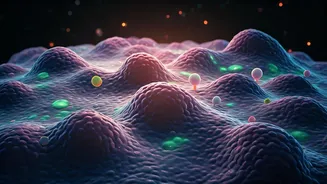
The composition of our gut microbiome also plays a surprisingly significant role in dictating our food preferences, including post-meal cravings. The trillions of bacteria residing in our digestive tract adapt to the types of food we consistently consume. Diets heavily laden with simple carbohydrates tend to foster an environment where sugar-loving bacteria flourish. As these bacteria thrive, they can subtly influence our cravings, nudging us towards more sugary options. Therefore, if your meals are habitually low in protein and high in refined carbs, your gut flora may actively encourage a desire for sweets, reinforcing this pattern through biological mechanisms rather than solely through conscious choice or willpower.
Beyond Nutrition: Psychological Triggers
It's important to recognize that not all post-meal sweet cravings are purely physiological. Psychological conditioning can also be a powerful driver. Over time, the brain can develop an association between the completion of a meal and a reward, often a sweet treat. This learned behavior can lead to a release of small amounts of dopamine, creating a pleasurable sensation that reinforces the habit. The brain learns to anticipate this reward, making the craving feel automatic. However, even in these instances, the physical state of the body is intertwined. When blood sugar levels are stable, the impact of these psychological cravings often diminishes, making it easier to manage the desire for sweets.
Rebalancing Your Plate
Breaking the cycle of post-meal sweet cravings doesn't necessitate complete abstinence from sweets. Instead, it involves making strategic, sustainable adjustments to your diet. The most effective approach is to focus on enhancing the protein content of your meals. Incorporating sources like eggs, dal, paneer, tofu, or fish can make a significant difference in how satisfied you feel after eating. Pairing these protein-rich foods with plenty of fiber-rich vegetables further aids in slowing digestion and promoting sustained energy release. Additionally, staying adequately hydrated is crucial, as mild dehydration can sometimes be misinterpreted as hunger or a craving. Ensuring sufficient sleep is also vital, as fatigue can disrupt hunger hormones and increase the body's inclination towards quick energy sources like sugar.