







A Gift's Significance
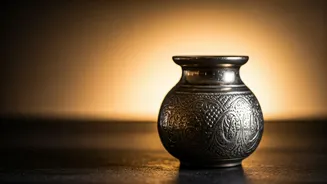
The presentation of the Mannar 'uruli' to the Australian Prime Minister was more than a simple gift; it was a potent symbol of India's rich cultural heritage. The 'uruli', a traditional cookware and decorative
item, is crafted with skill by artisans in Mannar, a region in Kerala. The selection of this specific artifact for a diplomatic gift emphasizes the value placed on handcrafted items that embody India's artistic legacy. This act resonates with the broader aim of cultural diplomacy, where gifts can convey a narrative of shared history and mutual respect between nations. Furthermore, it shines a light on the intricate skill involved in creating these metal objects, thus promoting a vital art form on a global stage. The choice of the 'uruli' suggests a desire to share a piece of everyday Indian life, connecting the two leaders through a tangible representation of Indian culture.
The Craft of Mannar
The Mannar metal craft, which is the heart of this story, represents centuries of skill passed down through generations. Artisans in Mannar are celebrated for their expertise in creating a diverse range of metal objects, with the 'uruli' being a prominent example. Crafted typically from bronze or brass, the 'uruli' is distinguished by its rounded bottom and wide mouth, originally intended for cooking. Nowadays, the objects are primarily used for ornamental purposes and in various cultural and religious rituals. The intricate designs and the perfect finishing of each 'uruli' show the meticulous work involved. The traditional process frequently includes hand-casting and careful polishing, showing the artisan's dedication to maintaining the craft's authenticity. This practice of handcrafted work sets the Mannar metal crafts apart, making them highly valued for their originality and artistic merit.
Global Recognition Journey
The recognition of Mannar metal craft on an international level marks a significant achievement for its artisans. Prime Minister Modi's gesture provided a platform to present Indian craftsmanship on the global scale, initiating a conversation on cultural appreciation and exchange. The gift serves as an ambassador, introducing the 'uruli' and the metal craft to a broader audience. The international attention increases the potential for the artisans of Mannar. This newfound recognition boosts possibilities for exports and creates chances for the craft to sustain itself. Furthermore, it encourages younger generations to take an interest in the artistic tradition, thereby ensuring the longevity and continued evolution of this distinctive craft. It emphasizes the importance of supporting and celebrating indigenous art forms in an increasingly interconnected world.
Cultural Diplomacy Explained
Cultural diplomacy is a potent tool employed by nations to enhance international relations through cultural exchange. The gifting of the Mannar 'uruli' illustrates this concept by bridging cultural divides and fostering deeper understanding between countries. Acts like these go beyond mere diplomacy, as they are a means of building relationships based on mutual respect and shared cultural heritage. The 'uruli' becomes a representative of India's cultural richness, initiating dialogues and providing opportunities to share aspects of Indian life with foreign counterparts. This strategy supports tourism, encourages cultural exchange programs, and can positively influence global perceptions of India. By selecting a handcrafted item, the focus is placed on the creativity, patience, and the importance of traditional skills that are core to the nation's identity. Ultimately, cultural diplomacy uses symbolic gestures to advance diplomatic goals and foster global cooperation.