







Gardening Made Simple
Embracing home gardening for summer vegetables is more than a trend; it's a lifestyle choice driven by a growing desire for organic, environmentally friendly food. In India, where the climate is often
hot and humid, certain green vegetables are exceptionally well-suited for cultivation, even in limited spaces like balconies. Vegetables such as bottle gourd (lauki), cucumber (kheera), and bitter gourd (karela) are prime examples, requiring minimal effort to grow. The advent of ready-to-use seed kits further simplifies the process, providing everything a beginner needs, from quality seeds to the right soil mix and containers. With these resources and a few straightforward guidelines, anyone can successfully cultivate their own fresh, chemical-free produce right at home, enjoying the satisfaction and health benefits it brings.
Why Summer Veggies Thrive
Summer vegetables are exceptionally well-suited for the Indian climate due to their natural resilience in hot and humid conditions. Many of these, particularly gourds and cucumbers, belong to the cucurbit family and flourish in temperatures typically ranging from 25 to 38 degrees Celsius. They require ample sunlight to grow vigorously. A significant advantage for home gardeners is their adaptability; these vegetables can thrive in containers, on terraces, and in even the smallest garden plots. Seed kits are a boon for aspiring gardeners, offering pre-selected high-quality seeds, appropriate potting mixes, and containers, along with clear, beginner-friendly instructions. This comprehensive approach removes many initial hurdles, making home gardening accessible and rewarding for everyone.
Bottle Gourd (Lauki)
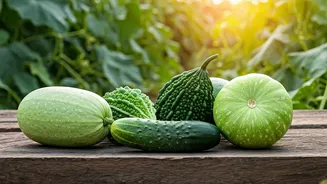
A cornerstone of Indian cooking, the bottle gourd, or lauki, is a highly nutritious and remarkably easy-to-grow vegetable. This climbing vine adapts beautifully to container gardening and, with consistent sunlight and adequate watering, produces a generous yield within a few weeks. Its cultivation is straightforward, making it an excellent choice for novice gardeners looking for quick results. The plant’s vining nature means it can be trained upwards, saving precious ground space. Ensuring it receives at least six hours of direct sunlight daily and maintaining moist, but not waterlogged, soil are key to a successful harvest. The versatility of lauki in various dishes adds to its appeal as a home-grown vegetable.
Cucumber (Kheera)
Cucumbers, or kheera, are a fast-growing and incredibly refreshing vegetable, making them an ideal choice for summer gardening and for those new to growing their own food. They adapt well to various growing environments, including pots and garden beds. The plant typically begins producing fruits around 45 to 60 days after planting, offering a satisfyingly quick harvest. Cucumbers need full sun and consistent moisture to thrive. Providing them with a support structure, like a trellis, can help keep the fruits clean and make harvesting easier. Their high water content and crisp texture make them a cooling addition to summer meals.
Bitter Gourd (Karela)
Bitter gourd, known as karela in India, is a vegetable that truly thrives in hot weather and is celebrated for its numerous health benefits. To achieve a good yield, karela requires a minimum of eight hours of direct sunlight daily and consistent watering. As it's a climbing vine, providing a trellis or other support structure is essential for its growth. For enhanced germination, it's recommended to soak the seeds before planting. While its taste can be acquired, its nutritional value is undeniable, making it a worthwhile addition to any home garden for those seeking its health properties and unique flavour profile.
Ridge Gourd (Torai)
Ridge gourd, or torai, is a low-maintenance vegetable that grows rapidly during the summer months, producing long, tender fruits. This makes it particularly suitable for vertical gardening systems and for individuals with limited garden space. Its quick growth cycle ensures a relatively fast return on effort. Ridge gourd plants benefit from full sun and regular watering, similar to other cucurbits. Providing a sturdy support for the vines to climb helps maximize yield and keeps the gourds off the ground, preventing rot and pest issues. The mild flavour of ridge gourd makes it a versatile ingredient in Indian cuisine.
Snake Gourd (Chichinda)
Snake gourd, known as chichinda, is another easy-to-grow, low-maintenance vegetable that flourishes during the summer season. Its most distinctive feature is its long, slender fruits. Like ridge gourd, snake gourd is exceptionally well-suited for vertical gardening, where its vines can climb freely, allowing the long fruits to hang down gracefully. This method not only saves space but also ensures the fruits develop properly without damage. Adequate sunlight and consistent moisture are crucial for its growth. The mild taste and tender texture of snake gourd make it a popular choice for various culinary preparations.
Seed Kits Simplify Gardening
For individuals new to gardening, seed kits represent a transformative solution, democratizing the ability to grow fresh produce. These kits typically bundle everything needed to start, including carefully selected seeds, appropriate containers, and a specially formulated potting mix. Crucially, they come with easy-to-follow instructions designed for absolute beginners, eliminating the guesswork often associated with starting a garden. Some kits even offer combo options, allowing gardeners to cultivate multiple types of vegetables, such as bottle gourd, bitter gourd, and ridge gourd, within the same growing season. This all-in-one approach significantly lowers the barrier to entry, making home gardening an achievable and enjoyable hobby.
Tips for Healthy Growth
To ensure your summer garden yields the best possible results, several key practices should be followed. Firstly, choose a location that receives abundant direct sunlight, ideally for at least six to eight hours a day, and good air circulation to prevent fungal diseases. Secondly, water your plants consistently and thoroughly, ensuring the soil is moist but never waterlogged, as this can lead to root rot. Using high-quality organic compost will significantly boost soil fertility and promote vigorous plant growth. Finally, for vining plants like gourds and cucumbers, providing sturdy supports such as trellises is crucial for healthy upward growth and easy harvesting, keeping the produce clean and accessible.