



Introducing 'Bansuri' Textbook
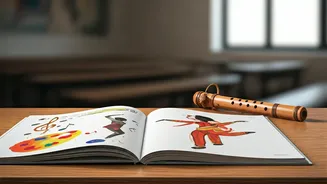
In a groundbreaking educational move for government primary schools across Uttar Pradesh, students in Classes III and IV are set to receive their first dedicated art education textbook, titled 'Bansuri,'
starting with the upcoming academic year. Previously, art and music instruction in these council-run institutions lacked a standardized textbook, leaving educators to devise their own teaching and assessment methodologies. The 'Bansuri' textbook has been meticulously developed by the National Council of Educational Research and Training (NCERT), adhering to the guidelines set forth by the National Curriculum Framework for School Education. This comprehensive resource allocates a minimum of 100 hours for structured art education, thoughtfully weaving together four key artistic disciplines: visual arts, music, dance, and body movement, into a cohesive curriculum. The Class III edition alone features 20 chapters, each equipped with QR codes that unlock supplementary digital learning materials, promising a richer and more interactive educational journey for young learners. This initiative marks a significant shift towards fostering a more holistic and engaging learning environment for primary school students in the state.
Enriching Learning Experience
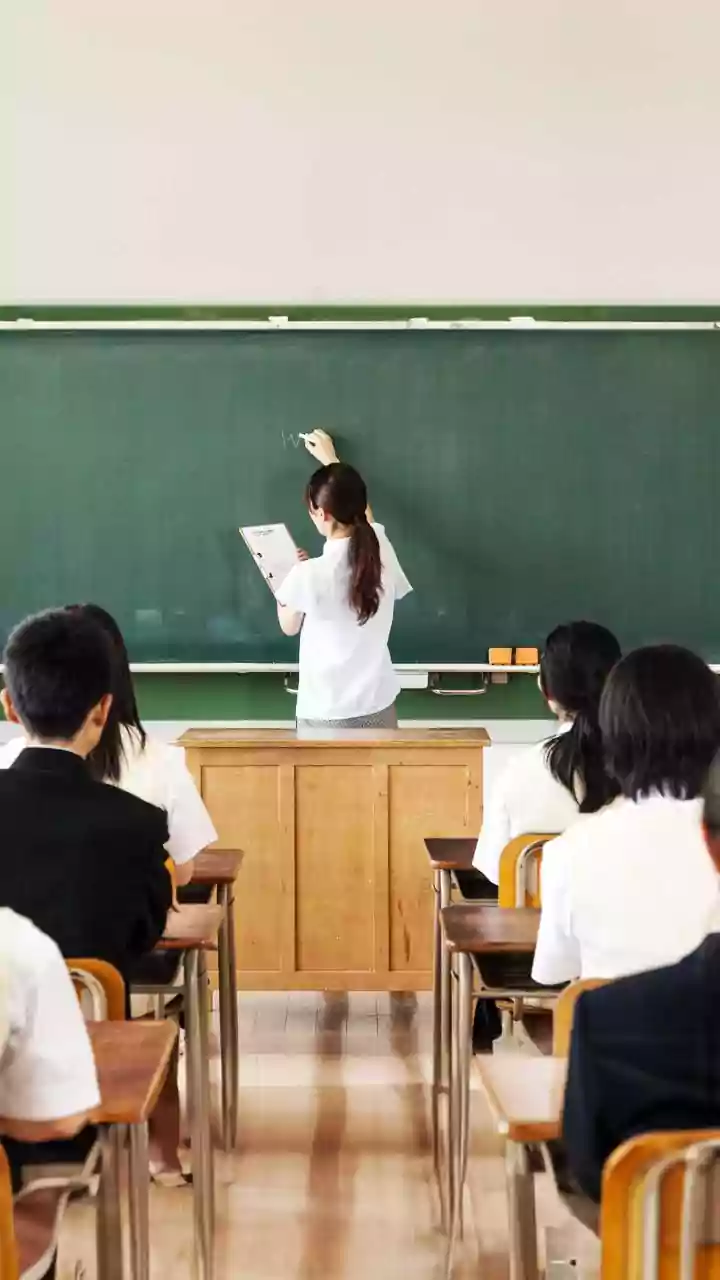
To further elevate the educational experience, the curriculum for 'Bansuri' incorporates the involvement of arts experts who will be invited to conduct sessions within schools throughout the academic term. This interaction is designed to expose students to diverse artistic perspectives and practical techniques. A core element of the textbook's pedagogy is the strong emphasis on student participation, encouraging them to actively create their own artworks and engage in a variety of activities. To celebrate and showcase their creative endeavors, students will have opportunities to display their work both within the school premises and at public exhibitions. Rajendra Pratap, the Principal of the State Council of Educational Research and Training Uttar Pradesh, highlighted that the activities incorporated into 'Bansuri' are specifically crafted to nurture students' expression skills, cultivate a sense of communal harmony, and instill a deeper appreciation for the preservation of cultural heritage. He further elaborated that the curriculum is expected to foster critical thinking abilities, encourage teamwork, and positively impact both reading and writing competencies among children, thereby contributing to their overall cognitive development.
Curriculum Breakdown and Evaluation
The 'Bansuri' curriculum meticulously allocates specific time slots to each artistic component to ensure balanced development. According to the syllabus, 20 hours are dedicated to visual arts, an equal amount to music, 20 hours to dance, and another 20 hours to theatre. In addition to these structured lessons, a further 20 hours are reserved for experiential learning activities, allowing students to apply their knowledge in practical settings. Art teachers are scheduled to conduct four classes per week, supplemented by an additional session on Saturdays, ensuring consistent engagement with the subject matter. The evaluation of students' progress under this new system will be comprehensive, assessing their performance across five distinct categories: A, B, C, D, and E, which signify levels ranging from 'excellent' to 'beginner.' The visual arts component includes a variety of hands-on activities such as drawing, painting, and collage work, aimed at helping children explore and understand different materials like clay, colors, and elements found in nature. Music lessons will focus on foundational elements like rhythm, clapping exercises, and learning songs in multiple languages, while the theatre segment introduces students to the basics of acting, stagecraft, and the effective use of props to enhance their performances.
Engaging Activities and Teacher Feedback
Reena Mishra, a state award-winning teacher, lauded the 'Bansuri' textbook as both highly engaging and exceptionally practical for classroom use. She particularly noted how the book introduces students to creative concepts using everyday objects, citing the example of using a clay pot, known as a 'ghatam,' as a musical instrument. Beyond musical applications, the textbook also inspires creativity through various hands-on exercises, encouraging children to craft items like masks, lanterns, and even paper jewelry. These activities are designed not only to be fun but also to develop fine motor skills and artistic sensibility. The integration of such varied and tactile projects ensures that students are actively involved in the learning process, moving beyond passive reception of information. This approach is expected to make art education a more tangible and enjoyable subject for young learners, fostering a lifelong appreciation for the arts and creative expression.