





Prime Tiger Gates
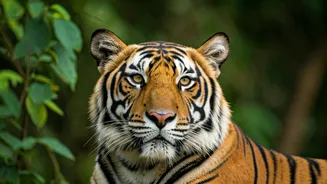
Embark on an exciting journey to explore the five premier safari gates located in North Indian national parks, known for offering the highest probability of tiger sightings. These gates serve as entry
points to the heart of tiger territory, offering visitors unparalleled chances to witness the magnificent creatures in their natural habitat. To maximize your chances of spotting a tiger, it is essential to consider factors such as the time of year and the time of day. Morning and evening safaris often prove the most fruitful. These times coincide with periods when tigers are most active, increasing the likelihood of an encounter. In addition, the specific gates chosen can significantly influence the success of your safari. Gates that provide access to areas with dense vegetation, water sources, and known tiger territories are often the most rewarding. By carefully selecting your entry point, you are setting the stage for a memorable and potentially transformative experience.
Best Time To Go
Understanding the optimal timing for your safari is critical for increasing the chances of tiger sightings. The peak season for tiger viewing in North Indian national parks usually falls between November and June, with the most favorable months being March, April, and May. During these months, the weather is hot and dry, making it easier to spot tigers as they frequent waterholes to quench their thirst. Conversely, during the monsoon season (July to October), the parks are often closed, or access is restricted due to heavy rainfall and challenging terrain. When planning your safari, aim to go during the early morning or late afternoon hours. These times correspond with the tigers' active periods when they are most likely to be out and about, hunting or patrolling their territories. The combination of the right season, strategic timing, and a bit of luck can significantly enhance the prospects of a successful and thrilling tiger sighting adventure.
Gate 1: Kanha National Park
Kanha National Park, a jewel in Madhya Pradesh, offers one of the best experiences for tiger sightings, with several entry gates providing access to prime tiger habitats. The Mukki and Khatia gates are particularly renowned for their high success rates, guiding visitors through areas where tigers are frequently spotted. The lush Sal forests and sprawling grasslands of Kanha create a perfect ecosystem, supporting a thriving tiger population. The park's diverse topography, including dense forests and open meadows, provides various viewing opportunities, allowing you to catch the tigers in various activities, from hunting to resting. The park's management ensures that wildlife conservation and tourism are well-balanced. When visiting Kanha, you can expect experienced guides and well-maintained vehicles. These will enhance your safari experience and contribute to the park's conservation efforts. A safari in Kanha promises an immersive wildlife experience, rich in biodiversity, and unforgettable moments for any nature enthusiast.
Gate 2: Bandhavgarh
Bandhavgarh National Park in Madhya Pradesh is known for its high density of tigers and boasts various gates that offer exceptional safari experiences. The Tala gate is particularly famous, often yielding sightings of the majestic tigers. The park's rugged terrain, featuring rocky hills and vast grasslands, is an ideal habitat for tigers, providing shelter and hunting grounds. The park's reputation as a prime tiger destination draws tourists. This fuels conservation efforts and provides essential support to the local communities. The close-knit relationship between the park staff, guides, and visitors contributes to the unique experience. They help to make the safari a success and create a welcoming atmosphere. A safari in Bandhavgarh offers a combination of thrilling wildlife encounters and an appreciation for nature, all contributing to a rewarding experience.
Gate 3: Ranthambore
Ranthambore National Park in Rajasthan is celebrated for its historic fort and the significant tiger population that roams its varied landscapes. Several gates, including the most popular ones, offer access to tiger hotspots. These gates provide varied routes, each designed to maximize the chances of tiger sightings. The park's dry deciduous forests and picturesque lakes create a dramatic setting. Tigers here have adapted well, roaming freely and providing visitors with memorable viewing opportunities. The park's rich history, with the fort overlooking the forest, adds a cultural dimension to the wildlife experience. The local guides' knowledge of the terrain and tiger behavior is invaluable, offering insights that enrich your safari. Ranthambore is a compelling destination that combines wildlife thrills with cultural exploration. This offers a safari journey that is both educational and adventurous.
Gate 4: Corbett
Jim Corbett National Park in Uttarakhand, the oldest national park in India, offers a unique safari experience, with various gates catering to different preferences and wildlife viewing opportunities. The Bijrani and Dhangarhi gates are popular choices. They offer access to areas with dense vegetation and diverse wildlife. The park's varied ecosystems, including grasslands, riverbeds, and dense forests, are home to a thriving population of tigers. The park's historic significance, founded to protect the Bengal tiger, gives an extra layer of meaning to your safari experience. The experience of the guides and the infrastructure ensure a safe and informative safari. For a more adventurous experience, you can go through different zones, each offering unique perspectives on tiger behavior and the natural world. A safari in Corbett offers the excitement of tiger tracking and a deep appreciation for India's rich natural heritage.
Gate 5: Pench
Pench National Park, straddling the states of Madhya Pradesh and Maharashtra, is known for its scenic beauty and offers several safari gates for tiger sightings. The Turia and Karmajhiri gates offer access to areas where tigers are frequently spotted, providing the opportunity to observe them in a lush and diverse setting. The park's undulating terrain, with a mix of forests, open grasslands, and the Pench River, creates a rich and diverse ecosystem. This supports the tiger population. The park's location, straddling two states, adds a unique dimension to your safari. It gives you a broader perspective of the natural landscape and the cultural environment. The guides' expertise, combined with the comfortable and well-maintained vehicles, ensures a safari experience. This offers you a memorable journey through a natural paradise.