







Addressing Travel Demand
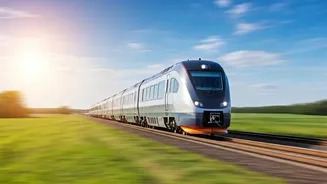
The railway authorities took proactive measures to handle the increased travel demand during the wedding season. Special trains were launched with the primary goal of providing smoother and more convenient
travel options. This initiative was strategically planned to ensure that passengers could travel comfortably and without major disruptions. The introduction of these dedicated services showcased a commitment to accommodating the surge in passenger numbers, thereby addressing a critical need during a busy travel period. This was crucial for supporting families and individuals moving between cities for wedding celebrations.
Enhanced Passenger Experience
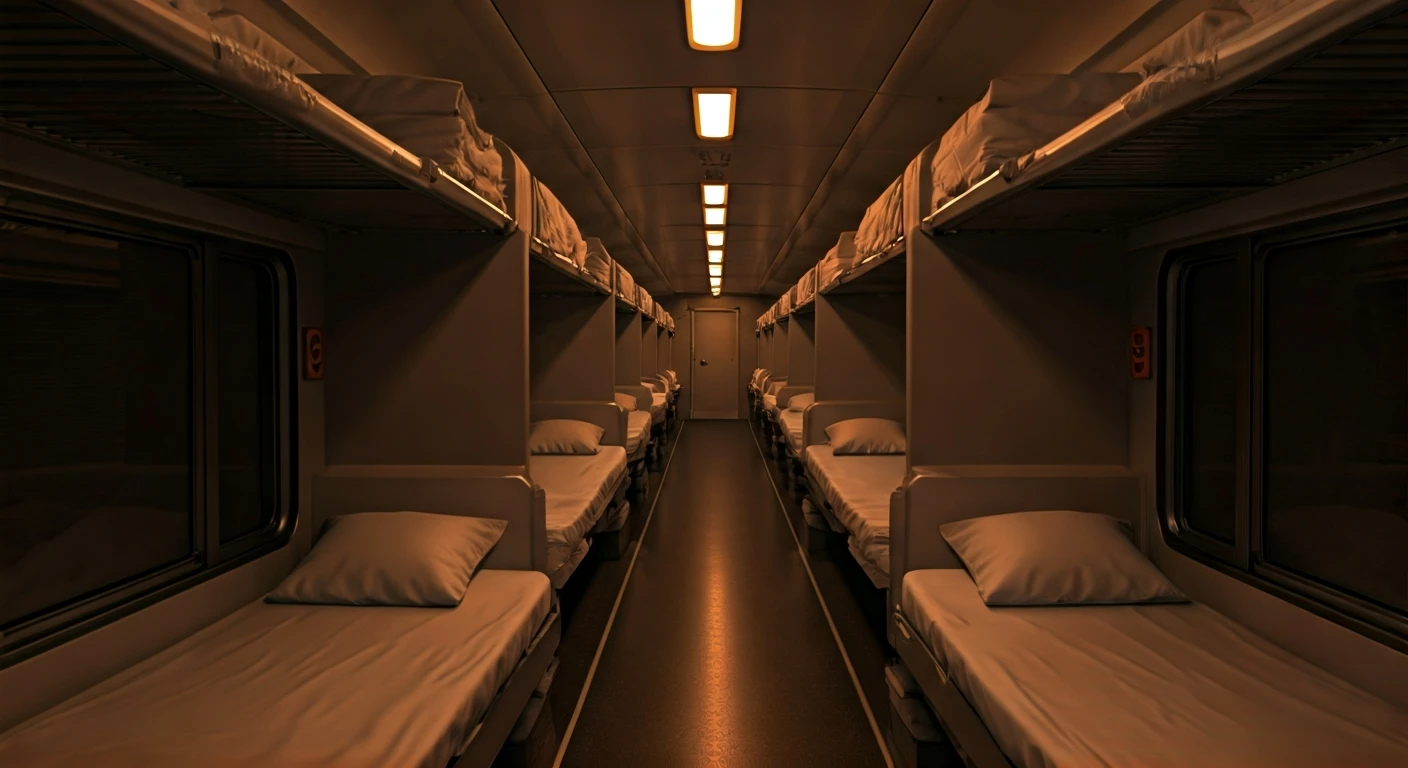
These specially designated trains aimed to elevate the overall travel experience for passengers. By offering dedicated services, the railway authorities hoped to minimize the congestion typically associated with peak travel periods. This included efforts to reduce overcrowding and improve the efficiency of boarding and alighting. The focus was on ensuring that passengers enjoyed a more comfortable and less stressful journey. The initiative went beyond merely increasing capacity; it also considered the passenger's perspective to create a more pleasant travel experience during a high-demand period, enabling families to travel seamlessly to and from wedding events.
Strategic Route Planning
The routes of these special trains were carefully planned to cater to the most popular travel corridors during the wedding season. The railway authorities identified key routes with anticipated high passenger traffic and allocated the special trains accordingly. This strategic deployment ensured that the additional services were available where they were needed the most. The route planning considered both the geographical distribution of wedding events and the origin points of travelers. By optimizing routes, the railways enhanced accessibility and connectivity for a wider range of passengers, helping them reach their destinations efficiently and safely amidst the wedding season rush. This efficient allocation of resources allowed them to accommodate a larger number of passengers, thereby reducing the strain on the existing services during the festive period.