







Practice Gratitude Daily
Expressing gratitude is a powerful way to enhance happiness and decrease stress. Make it a habit to acknowledge the good things in your life. This could involve keeping a gratitude journal where you write
down things you're thankful for daily. Even taking a moment to appreciate a beautiful sunset or a kind gesture can make a significant difference. Focusing on the positive aspects of your life helps shift your perspective and cultivates contentment. Regular gratitude exercises train your mind to notice the good, thereby diminishing the impact of negative experiences. You can start small, perhaps listing three things each morning or evening that you appreciate, and then gradually expand from there. This will positively impact your outlook.
Get Adequate Sleep
Prioritizing sleep is essential for both mental and physical health. Aim for 7-9 hours of quality sleep each night to allow your body and mind to recharge. Establish a consistent sleep schedule by going to bed and waking up at the same time every day, including weekends. Create a relaxing bedtime routine, such as taking a warm bath or reading a book, to signal to your body that it's time to sleep. Ensure your bedroom is dark, quiet, and cool to optimize sleep quality. Avoid caffeine and alcohol before bed, as they can interfere with sleep. Proper sleep improves mood, reduces stress, and enhances cognitive function, making it easier to handle daily challenges. Consistent sleep habits are beneficial.
Exercise Regularly
Regular physical activity is a highly effective stress reliever and mood booster. Exercise releases endorphins, which have mood-enhancing effects. Aim for at least 30 minutes of moderate-intensity exercise most days of the week. This could include activities such as brisk walking, jogging, cycling, or swimming. Find activities that you enjoy to make exercise more sustainable. Consider joining a sports team or finding a workout buddy to stay motivated. Even short bursts of exercise throughout the day can be beneficial. Regular exercise not only reduces stress but also improves overall health and well-being. Consistency is key when it comes to reaping the benefits of physical activity.
Eat a Balanced Diet
What you eat significantly impacts your mood and stress levels. Focus on consuming a balanced diet rich in fruits, vegetables, whole grains, and lean proteins. Limit your intake of processed foods, sugary drinks, and excessive amounts of caffeine and alcohol. These can negatively affect your mood and energy levels. Ensure you're getting enough essential nutrients, such as vitamins and minerals. Consider incorporating stress-reducing foods into your diet, like foods rich in omega-3 fatty acids, magnesium, and antioxidants. Staying hydrated is also crucial, so drink plenty of water throughout the day. A healthy diet provides sustained energy and supports mental well-being.
Connect with Others
Social connections are vital for mental health and resilience. Make time to nurture your relationships with friends, family, and loved ones. Spend quality time with people you enjoy, engaging in activities that bring you joy. Social interaction provides emotional support and reduces feelings of isolation. If you're feeling stressed or overwhelmed, reach out to someone you trust and share your feelings. Participate in social activities, clubs, or groups to expand your social circle. Maintaining strong relationships fosters a sense of belonging and community, which significantly contributes to happiness and reduces stress.
Practice Mindfulness Techniques
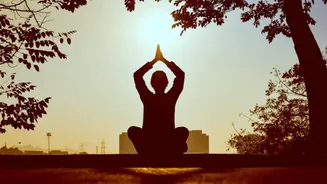
Mindfulness involves paying attention to the present moment without judgment. It is a powerful tool for reducing stress and improving focus. Start by incorporating short mindfulness exercises into your daily routine, such as taking a few deep breaths or focusing on your senses. Meditate regularly, even if it's just for a few minutes each day. Practice mindful eating by savoring each bite of your food. Use mindfulness to observe your thoughts and feelings without getting carried away by them. Mindfulness helps you become more aware of your stress triggers and develop coping mechanisms. It can help prevent dwelling on the past or worrying about the future, thus promoting a sense of calm.
Set Realistic Goals
Setting achievable goals can boost your sense of accomplishment and reduce stress. Break down large tasks into smaller, manageable steps. This will make them feel less overwhelming. Define your goals clearly and create a plan to achieve them. Celebrate your accomplishments along the way, no matter how small. Avoid setting unrealistic expectations for yourself, which can lead to disappointment and stress. Regularly review your goals and adjust them as needed. Focusing on progress rather than perfection creates a positive feedback loop that enhances your motivation and reduces the feeling of being overwhelmed. Realistic goal setting builds confidence and decreases anxiety.
Learn to Say No
Overcommitting can lead to stress and burnout. Learning to say 'no' is an important step in managing your time and energy. Assess your commitments and identify those that are draining your resources. Be honest with yourself about what you can realistically handle. Politely decline requests that you don't have time or energy for. This could involve saying 'no' to extra projects at work, social events, or volunteer opportunities. Setting boundaries protects your time and allows you to prioritize activities that bring you joy. Saying 'no' allows you to focus on your well-being and prevents feeling spread thin, which in turn reduces stress and enhances your ability to maintain balance in your life.
Embrace Hobbies & Interests
Engaging in activities you enjoy is a fantastic way to relieve stress and boost your mood. Dedicate time to hobbies and interests that bring you joy and relaxation. This could be anything from reading and gardening to painting or playing a musical instrument. Make time for leisure activities, even if it's just for a short period each day or week. Hobbies provide a sense of purpose and a break from everyday stressors. They offer a creative outlet and a way to recharge your energy. Pursuing your interests can help you develop new skills, meet like-minded individuals, and cultivate a more balanced and fulfilling life. Prioritizing your hobbies enhances overall happiness.