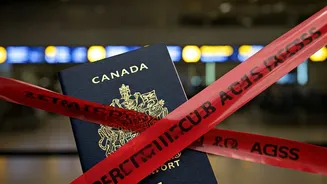

Travel Restrictions Explained
The Canadian government has imposed travel restrictions on specific countries, primarily due to public health concerns. These restrictions can range from outright bans to advisories urging citizens to avoid
non-essential travel. The reasons for these measures typically include high rates of COVID-19 transmission, the emergence of new variants, or strained healthcare systems. Such actions are frequently reevaluated based on the evolving epidemiological situation. As the pandemic progressed, the Canadian government continuously adjusted its travel policies to respond to the changing global health landscape, at times even closing the borders completely to international travel. The policies were always influenced by scientific advice, international collaborations, and the need to protect the health of Canadians.
India's Situation Assessed
Regarding India, the Canadian travel advisories offer an assessment based on the current health situation. This evaluation considers factors like the COVID-19 infection rate, the presence of concerning variants, and the capacity of India's healthcare system. Depending on these factors, the advisory level could vary, from a simple recommendation for caution to a more stringent warning against travel. The advisories issued are usually categorized according to the risk level. The government also provides detailed information about each country, including any specific requirements such as quarantine rules or testing necessities. As conditions evolve, these advisories are regularly updated to ensure that Canadians have the most current information for making travel decisions. Canadians who are planning to travel to India are advised to check the latest government notices before they make any travel arrangements.
Impact on Indian Travelers
Travel restrictions and advisories issued by Canada have a direct impact on Indian travelers. If a travel ban is in effect, it means that most people residing in India are not permitted to enter Canada. Travel advisories, conversely, might not completely prevent travel, but they may make it more difficult. Indian citizens might face additional scrutiny upon arrival, such as mandatory quarantine, or rigorous testing. Moreover, travel advisories usually affect travel insurance coverage. When a travel advisory is issued, it can render the traveller's insurance plan ineffective. This situation can leave travellers vulnerable to substantial financial losses in case of unforeseen circumstances during their trip. Therefore, it is important for Indian travellers to thoroughly examine the current travel policies, including health guidelines. It's also necessary to adhere to all the requirements outlined by both the Canadian and Indian authorities.
Broader Bilateral Implications
Beyond individual travellers, Canada's travel policies also carry implications for the larger bilateral relations with India. Travel restrictions can limit tourism, educational exchanges, and business activities between the two countries. This can have a knock-on effect on economic relationships and cultural exchanges. The decisions made by Canada are, however, based on health and safety considerations. These travel policies can at times cause diplomatic concerns. Both India and Canada are often in discussions to find a balance between public health necessities and preserving their ties. Any alteration in these policies can lead to dialogues between the two countries. These discussions aim to guarantee that travel policies support the safety and well-being of the citizens of both countries. They also make sure that they foster a mutually beneficial relationship.
Staying Informed and Prepared
To navigate the changing travel landscape, it is essential for both Indian citizens and potential visitors to Canada to stay well-informed and prepared. The Canadian government's official website offers the most recent travel advisories. These updates are updated regularly. Travelers should also sign up for alerts to get the newest information immediately. Moreover, travellers should ensure they have all necessary documentation, including passports, visas, and any necessary health certificates. Checking the guidelines of both the country of departure and the destination country is important. Travel insurance, which covers health emergencies and unforeseen circumstances, is also essential. By keeping up-to-date and taking all the required precautions, travellers can make well-informed decisions and minimize risks. This ensures a safer and more manageable travel experience, even amidst global health challenges.