




Defining Hill Stations
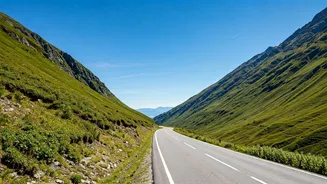
Hill stations, in the Indian context, are elevated areas offering cooler climates, often providing a respite from the hotter plains. Historically, they were established by the British during colonial rule,
serving as retreats from the summer heat. These locations were chosen for their scenic beauty and pleasant weather. Over time, hill stations evolved into popular tourist destinations, attracting visitors with their natural beauty and recreational opportunities. The definition extends beyond just high altitude; it includes the unique cultural experiences, local cuisine, and historical significance that these places offer. They are not merely geographical locations but also cultural hubs where one can experience a different pace of life and enjoy the local customs.
A Journey Through States
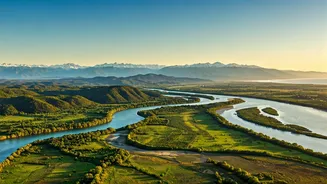
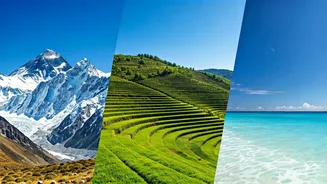
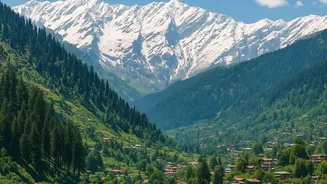
Each Indian state possesses its own distinct hill station, contributing to the country’s diverse tourism landscape. For instance, consider the northern states like Himachal Pradesh and Uttarakhand, which are home to well-known spots. Further south, the Western Ghats region includes hill stations in states such as Maharashtra and Karnataka. Moving eastward, places like Darjeeling in West Bengal and Shillong in Meghalaya provide different experiences. These hill stations vary in character, from those with well-developed infrastructure to others that offer a more rustic experience. The variety in landscapes, ranging from snow-capped mountains to lush valleys, ensures there is a suitable destination for every type of traveler. This concept allows visitors to tailor their travel according to their preferences and the experiences they seek.
Popular Tourist Attractions
Hill stations often boast specific tourist attractions that significantly enhance their appeal. These attractions range from natural wonders to cultural and historical sites. Many are renowned for their picturesque landscapes, including viewpoints offering stunning vistas of the surrounding valleys and mountains. Others feature historical landmarks such as old forts, temples, and colonial-era buildings that showcase the region's rich history. Adventure activities like trekking, paragliding, and camping are also common, adding excitement for those seeking more than just relaxation. Additionally, local markets offer an opportunity to discover traditional handicrafts and souvenirs. The blend of natural beauty, historical significance, and recreational options makes each hill station a unique travel destination. This combination ensures a well-rounded and engaging experience for visitors, catering to diverse interests.
Experiencing Local Culture
Experiencing the local culture forms a significant part of the charm of any hill station visit. These places offer a chance to immerse oneself in regional customs and traditions, often different from those found in the major cities. Interactions with the local communities provide insights into their lifestyle, beliefs, and values. Local festivals and events provide vibrant displays of cultural heritage, often featuring traditional music, dance, and food. The cuisine itself is a key element of the cultural experience. Local dishes, prepared using regional ingredients and traditional cooking methods, offer a true taste of the area. Accommodation options, ranging from local guesthouses to homestays, allow closer interaction with residents, further enriching the cultural exchange. Through these activities, travelers gain a deeper appreciation of the region's cultural richness, making their trip a more meaningful and enriching experience.
Planning Your Trip
Planning a trip to a hill station requires some foresight to ensure a comfortable and enjoyable experience. The first step involves selecting the right destination based on personal preferences, such as the climate, activities available, and type of accommodation desired. Researching the best time to visit, which often coincides with the season offering the most favorable weather conditions, is essential. Transportation options, including flights, trains, or road travel, should be considered and booked in advance. Booking accommodations well in advance is highly recommended, especially during peak seasons. Packing essentials such as warm clothing, appropriate footwear, and any necessary medications is crucial. Checking the local weather forecasts and any travel advisories beforehand can help travelers prepare for the prevailing conditions. A well-planned itinerary, including a list of must-see attractions and activities, will maximize the travel experience, allowing visitors to make the most of their visit.
Sustainability and Preservation
The growing popularity of hill stations also brings forth the critical need for sustainable tourism practices. These practices aim at protecting the natural environment and local cultures from the negative effects of tourism. Supporting local businesses, such as hotels, restaurants, and tour operators, helps in generating revenue for the local economy. Visitors should adopt responsible behavior, such as minimizing waste, conserving water, and respecting local customs and traditions. Eco-friendly travel choices, like using public transport or walking, can lessen the environmental impact. Conservation efforts, including participating in clean-up drives or contributing to preservation projects, can significantly contribute to the protection of the delicate ecosystem. By embracing sustainable tourism, tourists can help to preserve the unique beauty and cultural heritage of hill stations for future generations. This ensures that these destinations remain pristine and continue to offer unforgettable experiences.