
Income Tax Relief?
One of the primary expectations from Budget 2026 centers on potential income tax relief for taxpayers. Many anticipate adjustments to tax slabs and rates to ease the financial burden on individuals, particularly
in the wake of rising inflation and living costs. Such relief could come in various forms, including an increase in the basic exemption limit, adjustments to tax brackets, or revisions to the standard deduction. These measures, if implemented, could directly impact the disposable income of millions of taxpayers across the country. Discussions also revolve around the possibility of increasing deductions and exemptions available under different sections of the Income Tax Act, further contributing to a reduction in tax liabilities. Ultimately, the specifics of any tax relief measures will be crucial in determining their overall impact on individual finances and the broader economy.
Customs Duty Changes
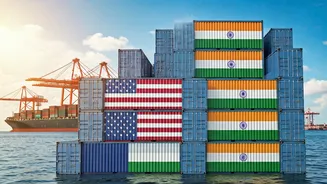
Budget 2026 is also likely to bring forth changes in customs regulations, aimed at streamlining trade and supporting domestic industries. These changes could include revisions to import duties on various goods, with potential adjustments to promote local manufacturing and reduce reliance on imports. The government may also introduce measures to simplify customs procedures and reduce the time and cost associated with international trade. Such adjustments could have a significant impact on various sectors, including manufacturing, retail, and exports. Furthermore, any changes to customs duties will be closely scrutinized for their potential to impact consumer prices and the overall competitiveness of Indian businesses in the global market. The government's focus on these changes reflects its broader strategy to boost the country's economic growth and create a more conducive environment for businesses.
Export Promotion Focus
A significant emphasis is anticipated on initiatives to promote exports, which are seen as crucial for driving economic growth and creating employment opportunities. This may include the announcement of new schemes or the enhancement of existing ones designed to support exporters. The government may also focus on providing incentives and subsidies to encourage exports, particularly in sectors with high growth potential. Further, efforts to simplify export procedures, reduce compliance burdens, and enhance infrastructure related to trade are also expected. Such measures could have a positive impact on India's balance of payments and contribute to its integration into the global economy. The aim is to make Indian products more competitive in international markets, fostering higher export volumes and revenue generation, ultimately leading to a boost in the nation's economic performance.
FM Sitharaman’s Budget
Nirmala Sitharaman's ninth budget as the Finance Minister is expected to reflect the government's economic priorities and policy direction. Her budget presentations have previously addressed a wide range of issues, from infrastructure development and social welfare programs to fiscal consolidation and reforms. This year's budget is likely to continue this pattern, balancing the need to support economic growth with fiscal prudence. Observers will be keenly watching for her approach to tackling key economic challenges, as well as the specific measures she proposes to achieve the government's objectives. Given the current global economic uncertainties and domestic needs, the budget is expected to set a roadmap for the nation's economic trajectory in the upcoming fiscal year. Expectations are high, as the budget is seen as a key instrument in guiding the economy toward sustainable growth.