
Food Diplomacy Unveiled
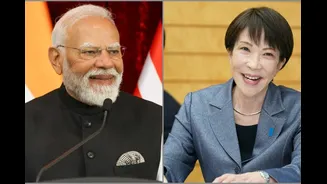
The love for Indian food, especially biryani, has transcended borders, capturing the hearts of global leaders. This article highlights six instances where these leaders have openly shown their appreciation
for the culinary richness of India. These moments of gastronomic delight reflect not only a personal preference for the taste but also a cultural exchange that bridges gaps between nations. From the simple act of eating with bare hands to the enthusiastic embrace of diverse dishes, these instances reveal a deeper appreciation for Indian culture and hospitality. The leaders' experiences provide insight into the ability of food to promote cultural understanding and diplomacy. It also showcases how a shared meal can foster positive international relations, allowing a glimpse into the human side of leadership through their love for food.
Biryani's Global Embrace
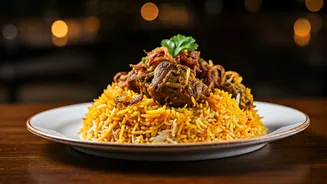
Biryani, a quintessential Indian dish, has become a global favorite, especially among leaders. One notable example is the Japanese Ambassador, who was seen relishing biryani with his bare hands. This action sparked considerable attention, emphasizing the Ambassador's genuine appreciation for Indian culture. The incident illustrated a willingness to engage with the local customs and cuisine in an intimate way. The ambassador’s gesture went beyond mere appreciation, it became a symbol of cultural integration and respect. This highlights the welcoming nature of Indian food and the capacity of biryani to serve as a bridge between cultures. His choice to indulge in the meal in such a traditional way further amplified the gesture, illustrating the power of food to transcend diplomatic boundaries.
Culinary Celebrations Abroad
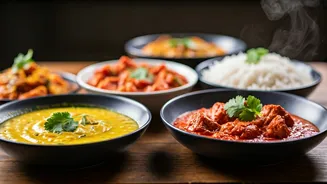
Beyond biryani, other Indian dishes have also found favor with global leaders. The enjoyment of Indian cuisine is not limited to specific dishes but extends to the overall experience. Leaders often use state dinners and diplomatic events to showcase the vibrant flavors of India, providing opportunities to create positive international relations through a shared culinary experience. This highlights the adaptability and appeal of Indian cuisine. These leaders’ experiences reflect the broad acceptance of Indian food and its potential to promote cross-cultural understanding. This recognition of Indian food showcases its potential to enhance cultural understanding and build stronger international connections. Through food, leaders show a willingness to connect on a human level, making the interactions more memorable.
Impact and Significance
These instances of global leaders enjoying Indian food have a significant impact on cultural perceptions and diplomatic relations. They demonstrate the power of food to break down barriers and create goodwill between nations. Such events highlight the appeal of Indian culture and its capacity to engage and attract a global audience. The embrace of Indian cuisine by global leaders elevates the profile of Indian culture internationally, encouraging deeper engagement and mutual appreciation. These occasions can also facilitate enhanced tourism and economic ties. This creates opportunities for expanded cultural exchange and strengthen India's image on the international stage. Through food, leaders create memories that leave a lasting effect, nurturing relationships beyond formal diplomatic channels.