







New Oil Safety Rules
The Ahmedabad Municipal Corporation (AMC) has implemented a significant new policy targeting food businesses that utilize substantial amounts of cooking oil. This initiative is designed to curb the unhealthy
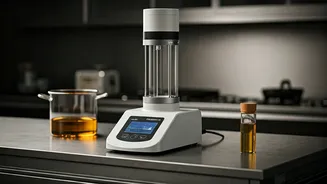
practice of repeatedly using the same cooking oil for frying various food items. The core of this new regulation requires establishments that consume 50 liters or more of oil daily to be equipped with a Total Polar Compounds (TPC) tester machine and diligently maintain daily records of its usage. This move is a proactive step by the civic body to prioritize the health of its citizens, recognizing the detrimental effects of degraded cooking oil. The AMC has identified approximately 43 larger food units that fit this high oil consumption criteria, and these businesses have been given a one-month grace period to fully comply with the newly announced regulations, ensuring a smooth transition to safer cooking practices across the city's culinary scene.
Understanding TPC and Health Risks
During a recent standing committee meeting of the AMC, the rationale behind this crucial health mandate was clearly articulated. Devang Dani, the committee chairman, emphasized that citizen well-being is the paramount concern. He explained that when cooking oil is subjected to repeated heating cycles for frying, its fundamental physical and chemical properties undergo significant degradation. This process leads to the formation of Total Polar Compounds (TPCs), which are known to be exceedingly detrimental to human health. Referencing guidelines from the Food Safety and Standards Authority of India (FSSAI), Dani highlighted that the maximum permissible limit for TPCs in cooking oil is set at 25%. Exceeding this threshold indicates that the oil has broken down to a point where it poses a substantial health risk to consumers, potentially leading to various ailments. Therefore, the TPC testing is a critical measure to ensure that the oil used in food preparation remains within safe consumption limits.
Mandatory Record-Keeping
To ensure compliance and transparency, the new regulations stipulate stringent record-keeping requirements for all food business operators (FBOs) that use 50 liters or more of oil daily. Each of these FBOs must now possess a digital TPC tester machine to accurately measure the compound levels. Crucially, they are obligated to maintain a daily logbook detailing specific information. This record must include the date of use, the quantity of oil consumed, the corresponding TPC reading obtained from the testing machine, and the name of the authorized agency responsible for the disposal of used oil. Furthermore, the AMC has set guidelines on oil usage itself: oil should ideally not be heated more than three times. A strict prohibition is placed on adding fresh oil to already used oil, as this practice accelerates degradation. Any oil that appears dark in color or emits a blue-grey smoke during heating must be disposed of immediately, signaling that it has reached an unsafe level of TPCs and is unfit for further consumption.
Proper Oil Disposal
A critical component of Ahmedabad's new food safety regulations addresses the responsible disposal of used cooking oil. The AMC has mandated that all used cooking oil, especially that which has reached its TPC limit or shows signs of significant degradation, must be handed over exclusively to government-authorized agencies. This directive is part of a broader national initiative known as the 'Repurpose Used Cooking Oil' (Ruco) program. By channeling used oil to authorized recyclers, the AMC aims to prevent its improper disposal, which can lead to environmental pollution, and to facilitate its transformation into valuable by-products. This ensures that the oil is not merely discarded but is managed in an environmentally sound and sustainable manner, contributing to a circular economy and further safeguarding public health by removing unsafe cooking agents from circulation.