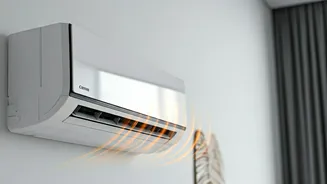




Summer AC Hazards Explained
As temperatures soar, air conditioners become lifelines in Indian homes, especially in cities like Delhi. While AC blasts and fires are uncommon, they can occur due to electrical faults, overheating, or
gas leaks. These issues rarely emerge suddenly; they often stem from neglect, improper installation, or overuse. Recent incidents in Delhi NCR highlight the critical need to pay attention to subtle warning signs and take prompt action. Proper maintenance, correct installation, and safe usage are paramount to averting these dangerous situations. Understanding the underlying technical reasons, which are often preventable, is the first step towards ensuring your comfort doesn't come at the cost of safety.
Root Causes of AC Fires
Air conditioner fires, though infrequent, are typically linked to specific technical malfunctions that can be mitigated. The primary culprits often involve electrical issues, such as faulty wiring, loose connections, or circuits overloaded during peak heat, leading to internal overheating and insulation failure. The compressor, the AC's engine, can overheat if run continuously or under excessive strain, potentially causing pressure imbalances. Refrigerant gas leaks, while primarily a performance issue, can become hazardous if exposed to heat or sparks. Improper installation, including loose wiring or incorrect gas levels, can destabilize the system over time. Furthermore, a lack of regular maintenance, leading to dust accumulation and clogged filters, forces the unit to work harder, increasing the risk of component overheating. Voltage fluctuations, common in some areas, can also damage internal circuitry without surge protection.
Spotting Danger Signals
Your air conditioner often provides subtle warnings before a serious malfunction or fire occurs. Ignoring these early indicators can transform minor issues into significant hazards. Key signs to watch out for include unusual or excessive vibrations coming from the unit, a distinct burning smell, a noticeable drop in cooling efficiency, and circuit breakers frequently tripping. Additionally, a hissing sound emanating from either the indoor or outdoor unit could signal a refrigerant gas leak. While these symptoms might seem trivial at first glance, their persistence warrants immediate attention and professional assessment to prevent escalation into a dangerous situation.
Ensuring Electrical Safety
Robust electrical safety practices are fundamental to preventing AC-related accidents. It's crucial that air conditioners are connected to an exclusive plug socket, avoiding the dangerous practice of overloading an outlet with multiple appliances. Proper earthing is vital for safely discharging any excess electricity. Voltage regulators are particularly important in regions prone to electrical supply instability, safeguarding the AC's internal components from damage caused by power surges. Any loose wiring should be addressed immediately by professionals, as temporary fixes often lead to greater hazards later. Ensuring a secure installation, with outdoor units placed in well-ventilated areas and indoor units firmly mounted to withstand vibrations, minimizes long-term risks. Professional technicians guarantee safe installation by verifying correct gas pressure, wiring integrity, and efficient drainage systems.
Maintenance and Habits
Regular servicing and cleaning are cornerstones of AC safety and longevity. Filters should be cleaned frequently to prevent dust buildup, which obstructs airflow and compels the system to exert more effort. Professional servicing, ideally once or twice annually, involves a thorough inspection of coils, refrigerant levels, and internal wiring, helping to detect and rectify nascent issues. Neglecting these checks allows minor faults to develop into severe technical problems. Daily usage also plays a role; running the unit at extremely low temperatures for extended periods strains the compressor. Opting for moderate temperature settings, utilizing timers or sleep modes, and allowing the system short breaks during prolonged use can reduce continuous load. Crucially, keeping flammable materials away from both indoor and outdoor units is a vital household safety measure.
Emergency Response Steps
In the event of any unusual smell, visible smoke, or signs of overheating from your air conditioner, immediate action is imperative. The first step is to switch off the AC unit without delay and then disconnect the main power supply. Under no circumstances should you attempt to repair the unit yourself, as internal components pose significant electrical and gas-related risks. The safest course of action is always to contact a certified technician. Prompt professional intervention can prevent further damage and avert potential escalation into a dangerous incident, ensuring your safety and the integrity of your home.