






Tadasana: The Stillness Foundation
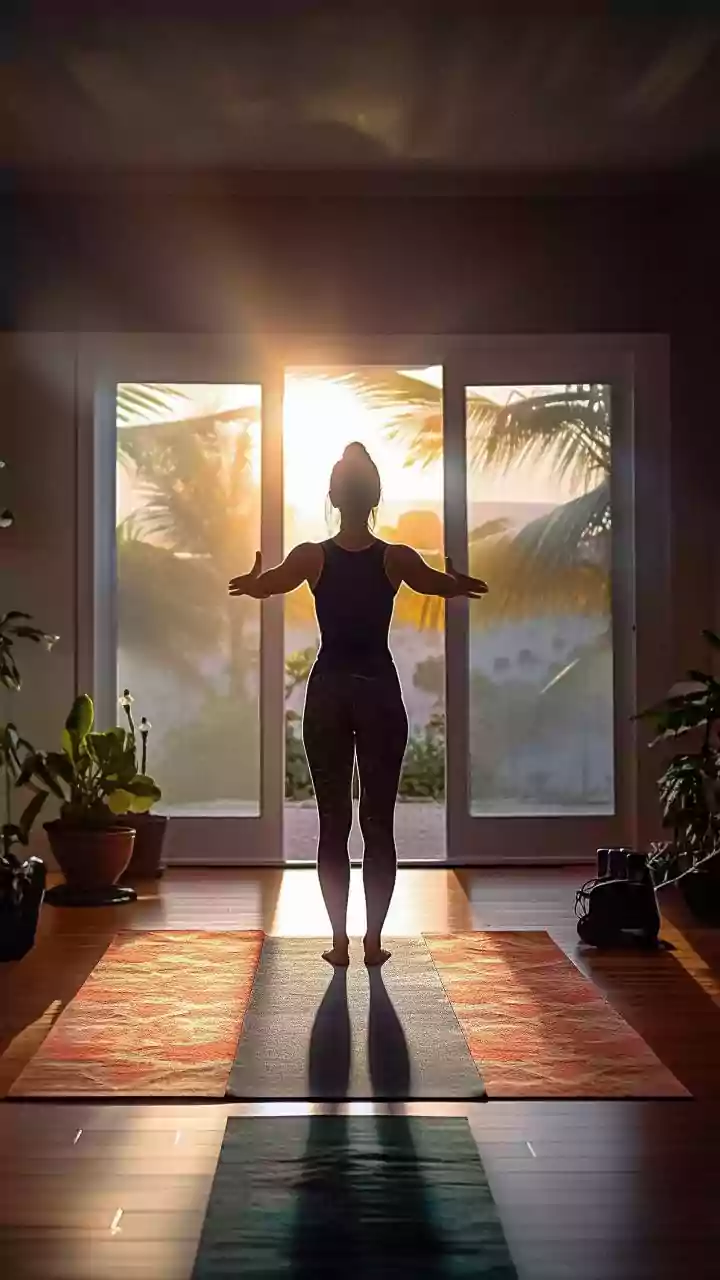
Begin your yoga journey with Tadasana, or Mountain Pose. This seemingly simple posture, achieved by standing tall with feet together and arms relaxed, is more than just standing. By focusing on an upright
posture and controlled breathing, it helps to reset your body's alignment. As you inhale and slowly raise your arms overhead, maintaining a forward gaze, you encourage deeper, more efficient breathing. This improved respiratory function can subtly ease the workload on your cardiovascular system, contributing to a sense of calm and stability. The true power of Tadasana lies in its ability to enhance postural awareness, which in turn optimizes your breathing patterns, laying a peaceful groundwork for the rest of your practice.
Setu Bandhasana: Gentle Heart Opener
Setu Bandhasana, or Bridge Pose, offers a mild yet effective chest opening, beneficial for circulation. To perform this pose, lie on your back with knees bent and feet flat on the floor, hip-width apart. Gently lift your hips towards the ceiling as you inhale, ensuring your shoulders remain grounded. This movement helps to open the chest area and promotes better blood flow throughout the body, while also gently strengthening the back muscles without causing undue strain. It's important to maintain a mild lift, focusing on the circulation benefits rather than achieving a high arch. This controlled approach ensures the pose remains supportive and non-exerting for individuals managing high blood pressure.
Vrikshasana: Balanced Stillness
Vrikshasana, the Tree Pose, is excellent for honing focus and quieting the mind. Standing on one leg, place the other foot against your inner thigh or calf, bringing your palms together at your chest. The essence of this pose for those with high BP is not about achieving perfect balance but about cultivating a steady breath. If your body sways, allow it to; the gentle effort to stabilize engages muscles without elevating your heart rate excessively. Maintain this pose for a short duration, perhaps 10-15 seconds per side, prioritizing the serene experience and improved circulation over holding a strenuous position. The key is to practice with an awareness of not pushing your limits.
Ardha Matsyendrasana: Circulation Boost
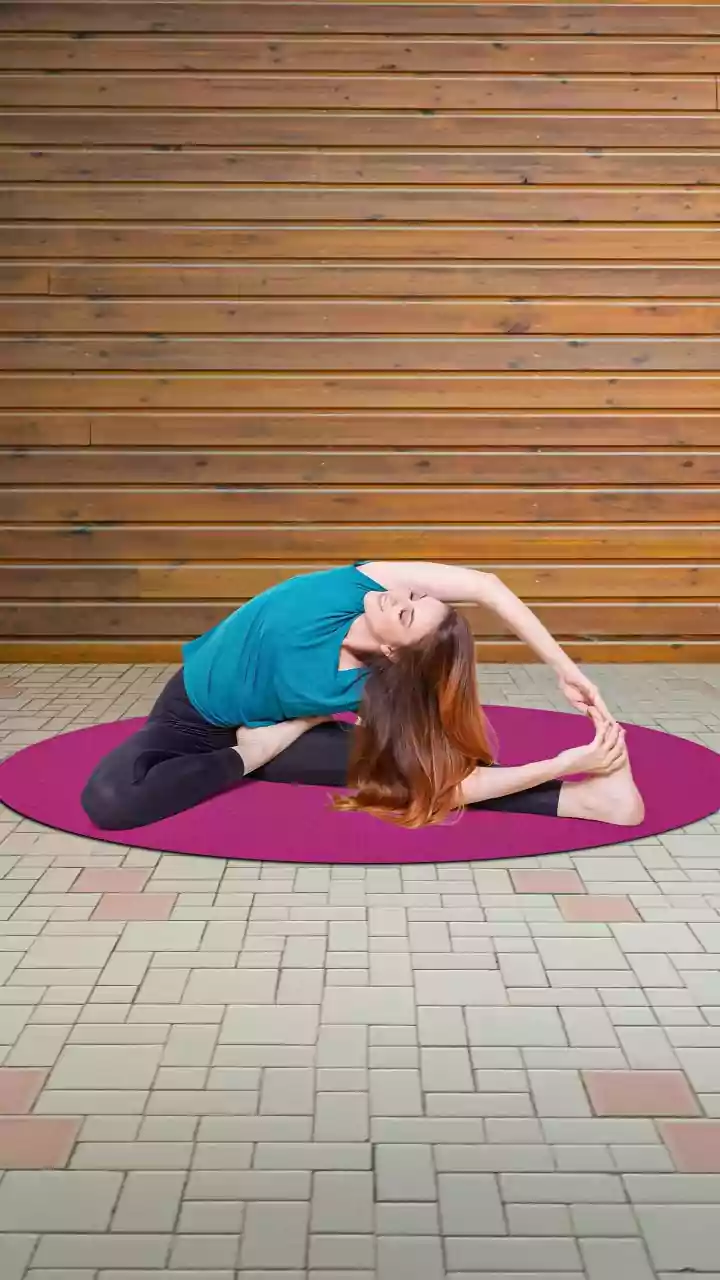
The Seated Spinal Twist, Ardha Matsyendrasana, is a gentle way to enhance spinal flexibility and potentially aid circulation. Sit with your legs extended, then bend one knee and cross it over the extended leg. Gently rotate your torso towards the bent knee. This twist should be soft and controlled, never forceful. Avoid deep twists or holding your breath. A mild rotation coupled with steady, even breathing is sufficient to gain the benefits without stressing the cardiovascular system. This pose encourages a gentle movement that supports internal well-being and digestive processes.
Balasana: The Comforting Reset
Balasana, or Child's Pose, offers profound comfort and a sense of reset. Kneel on the floor, sit back onto your heels, and fold your torso forward, allowing your forehead to rest on the mat. Your arms can be stretched out in front of you or resting alongside your body. This restorative position is known to lower heart rate and encourage deep diaphragmatic breathing, which is crucial for relaxation. The gentle compression on the abdomen can also support improved circulation. Studies indicate that relaxation-focused yoga practices can lead to significant reductions in both systolic and diastolic blood pressure over time, making this pose a valuable tool for managing hypertension.
Sukhasana Breathing Focus
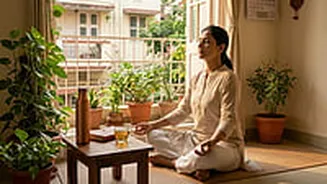
Simple Seated Pose, or Sukhasana, combined with deep breathing, is an often-underestimated practice that yields significant benefits. Sit comfortably with your legs crossed, maintaining an upright spine, and rest your hands on your knees. This is where the transformative aspect of yoga for blood pressure management truly unfolds. Focusing on slow, deliberate inhalations and longer, unhurried exhalations activates the parasympathetic nervous system. This calming response helps to lower your heart rate and relax your blood vessels, directly contributing to lower blood pressure. The National Institutes of Health (NIH) also supports that regular practice of controlled breathing techniques can effectively help reduce blood pressure.
Shavasana: Deep Absorption
Shavasana, or Corpse Pose, might appear to be mere rest, but it's a vital component where the body truly integrates the benefits of the practice. Lie flat on your back with your arms relaxed at your sides and your eyes gently closed. During this time, your muscles release tension, your breathing naturally slows, and your mind settles into a state of profound peace. Skipping Shavasana is akin to ending a book before the final chapter; it leaves the practice incomplete. It is in this stillness that your body absorbs the positive physiological changes, allowing the calming effects of the yoga session to deepen and last longer.