






Oats: Fibre Powerhouse
Starting the day with oats offers a powerful way to manage cholesterol. Oats are rich in soluble fibre, which helps bind cholesterol in the digestive system, preventing its absorption into the bloodstream.
This process aids in reducing LDL (bad) cholesterol levels. Consuming oats regularly can contribute to a significant drop in cholesterol over time, making them a staple in a heart-healthy diet. Preparing oats is also simple, with options including oatmeal, overnight oats, or adding them to smoothies. This easy addition to your daily routine gives your heart a healthy boost, setting the tone for a day focused on well-being. Oats provide sustained energy and a sense of fullness, which helps control hunger and supports weight management, further benefiting heart health. The fibre in oats also promotes healthy digestion, which can prevent other health issues.
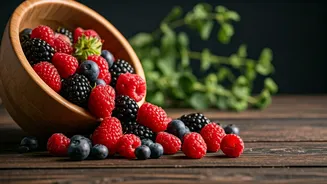
Berries: Antioxidant Defense
Berries are not just a tasty treat; they are packed with antioxidants that play a vital role in protecting your heart. These antioxidants combat free radicals, which can damage artery walls and contribute to the buildup of plaque, a leading cause of heart disease. Incorporating berries like blueberries, strawberries, and raspberries into your diet can reduce inflammation and improve blood vessel function. The vibrant colours of berries indicate a high concentration of beneficial compounds, making them a delicious and effective choice for heart health. Enjoying berries in a variety of ways, such as in smoothies, on top of yogurt, or as a snack, ensures you are getting a daily dose of heart-healthy goodness. Furthermore, the natural sugars in berries are less impactful on blood sugar levels compared to processed sweets, making them a healthier choice overall.
Leafy Greens: Blood Pressure Allies
Leafy green vegetables are excellent for regulating blood pressure, which is a key factor in heart health. Greens such as spinach, kale, and lettuce are rich in nitrates, which convert into nitric oxide in the body. Nitric oxide helps relax and widen blood vessels, lowering blood pressure and reducing the strain on the heart. These vegetables also offer vital vitamins and minerals, including potassium, which further supports healthy blood pressure levels. Including a variety of leafy greens in your diet can be as simple as adding them to salads, blending them into smoothies, or sautéing them as a side dish. Regular consumption of leafy greens provides sustained benefits for your cardiovascular system, contributing to a lower risk of heart disease and other related conditions. Adding a daily portion of greens can be a crucial step in maintaining long-term heart health.
Nuts: Heart-Healthy Snacks
Walnuts and almonds are convenient and beneficial snacks for your heart. These nuts are packed with healthy fats, fibre, and antioxidants, all of which support cardiovascular health. They help lower LDL (bad) cholesterol and reduce inflammation, contributing to healthier arteries. A small handful of walnuts or almonds each day can make a significant difference. It’s important to practice portion control, as nuts are calorie-dense. Including nuts in your diet is simple; you can add them to salads, enjoy them as a snack, or use them as a topping for yogurt or oatmeal. The healthy fats in nuts also help with satiety, keeping you feeling fuller longer, which aids in weight management. Regularly incorporating nuts into your diet can provide lasting benefits and support a healthy heart.
Healthy Oils: Smart Choices
Choosing the right oils can significantly impact your heart health. Olive oil and mustard oil are two excellent choices, offering different but equally beneficial properties. Olive oil is rich in monounsaturated fats and antioxidants, promoting healthy cholesterol levels and reducing inflammation. Mustard oil, commonly used in Indian cuisine, also contains healthy fats and has anti-inflammatory properties. Using these oils in cooking or as a finishing drizzle on your meals can be a delicious way to support your heart health. The key is to avoid unhealthy fats and embrace those that offer benefits. Opting for olive or mustard oil instead of saturated or trans fats can make a noticeable difference in your cardiovascular well-being. These oils add flavour to your diet, making it easier to enjoy healthy eating every day.
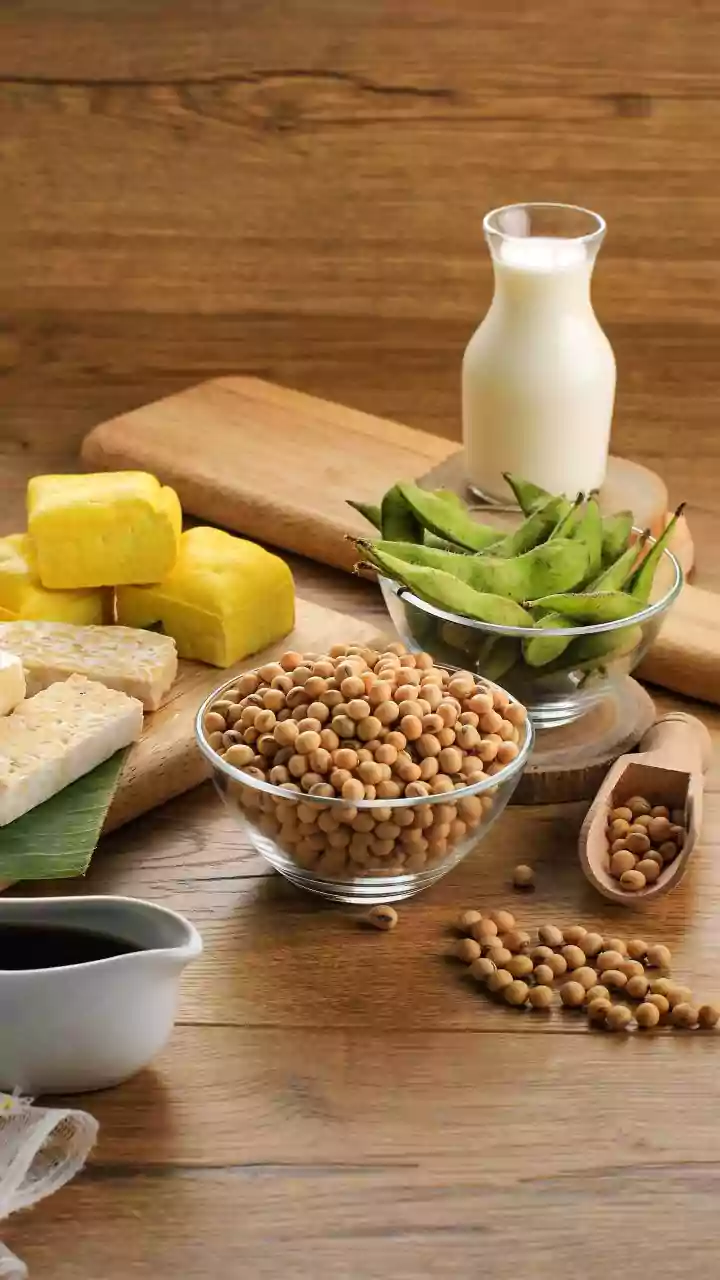
Beans and Lentils: Heart Protectors
Beans and lentils are an essential part of a heart-healthy diet, providing both protein and fibre. These legumes are naturally low in fat and packed with nutrients that help reduce cholesterol levels. The fibre in beans and lentils aids in binding cholesterol, similar to oats, preventing its absorption into the bloodstream. These foods also contribute to improved blood sugar control, which is essential for overall heart health. Incorporating beans and lentils into your meals is easy. They can be added to soups, stews, salads, or used as a side dish. Being versatile and affordable, these foods offer a cost-effective way to boost your heart health. Regular consumption of beans and lentils supports both heart health and overall well-being. Plus, their high fibre content keeps you feeling full, which helps with weight management.