





Disengage Fully
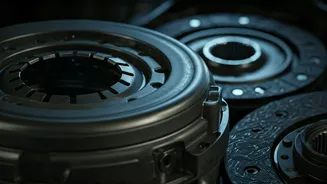
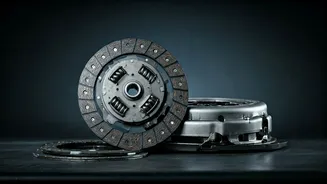
A common pitfall for many drivers is 'riding the clutch,' which involves keeping the clutch pedal partially depressed even when the vehicle is in motion. This action creates continuous friction between
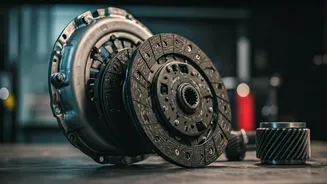
the clutch plates, generating excessive heat and dramatically accelerating wear. To ensure maximum clutch lifespan, it's crucial to fully release the pedal immediately after completing a gear change. The clutch should only be actively engaged when you are shifting gears or preparing to move the vehicle from a standstill. Neglecting this simple habit leads to premature degradation of the clutch components, potentially resulting in costly repairs much sooner than expected. Prioritizing a full pedal release conserves the clutch's integrity.
Mindful Gear Usage
Employing the clutch unnecessarily, such as during periods of coasting or when slowing down, needlessly contributes to wear and can compromise your vehicle's control. Modern vehicles are engineered to decelerate effectively while remaining in gear, utilizing engine braking to assist in slowing down. This process places less strain on the clutch and the braking system compared to frequent clutch activations. Furthermore, when shifting gears, it's vital to do so smoothly and at appropriate engine speeds. Abrupt or forceful gear changes can cause internal damage to the gearbox. Matching your gear selection to the current driving conditions and anticipating speed changes will minimize stress on the entire drivetrain, promoting longevity and efficient operation.
Tackling Inclines
Holding your vehicle stationary on an incline using only the clutch is a strenuous activity for the clutch plates. This continuous pressure, trying to counteract gravity, generates significant heat and leads to rapid wear. Instead, the primary method for holding a car on a slope should be the foot brake. Once you are ready to move off, smoothly engage the clutch while simultaneously releasing the brake. This technique prevents unnecessary stress and overheating of the clutch mechanism. Relying on the clutch for this purpose is a shortcut that leads to expedited component deterioration and higher maintenance costs over time.
Gentle Gear Lever
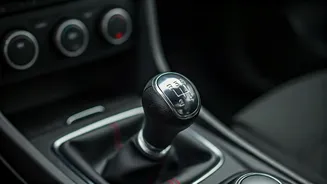
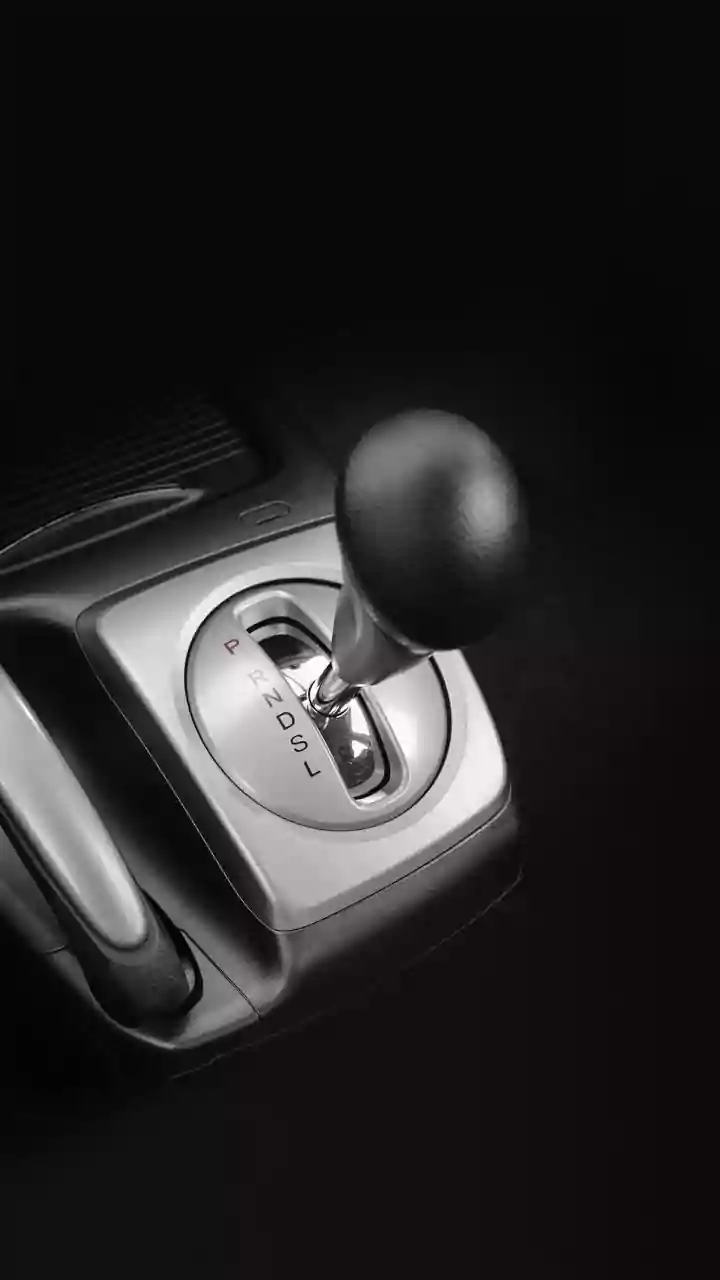
It might seem like a minor detail, but resting your hand on the gear lever while driving can have detrimental effects on your gearbox's internal components. Even a slight pressure applied to the lever can cause unnecessary friction and wear on synchronizer rings and other delicate parts within the transmission. The gear lever is designed solely for the purpose of changing gears; it should not be treated as a resting place for your hand. By removing your hand from the gear lever when not actively shifting, you help preserve the integrity and smooth operation of your gearbox, extending its operational life considerably.
Traffic Awareness
Navigating stop-and-go traffic scenarios demands a conscious effort to minimize clutch engagement. Constant shifting and partial clutch use in congested conditions significantly accelerate the wear on your clutch system. Cultivating an awareness of traffic flow and maintaining a safe distance from the vehicle ahead can greatly reduce the frequency of unnecessary gear changes and clutch actuations. By anticipating the movement of traffic and planning your accelerations and decelerations more effectively, you can smooth out your driving rhythm, thereby lessening the burden on your clutch and prolonging its service life. Proactive driving is key here.
Routine Servicing
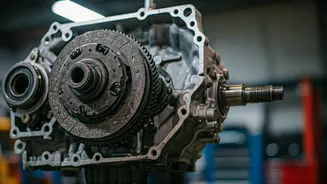
Regular maintenance and diligent checks of gearbox fluid are foundational for ensuring the longevity and optimal performance of your clutch and transmission. The gearbox oil plays a critical role in lubricating all moving parts, reducing friction, and dissipating heat, thereby ensuring smooth gear changes and overall functionality. Adhering to the manufacturer's recommended service schedule for gearbox fluid changes and inspections is paramount. Furthermore, paying attention to the clutch system during regular checks can help identify potential issues early on, preventing minor problems from escalating into major, costly repairs. Proactive maintenance is an investment in your vehicle's durability.
Heed Warning Signs
Your vehicle often communicates its needs through subtle, and sometimes not-so-subtle, indicators. Being attentive to these warning signs can be crucial in averting significant damage to your clutch and gearbox. Symptoms such as increased difficulty when shifting gears, unusual grinding or clunking noises emanating from the transmission, noticeable clutch slippage, or any acrid burning smells are clear signals that something is amiss. Promptly addressing these issues by seeking professional inspection can prevent minor malfunctions from escalating into catastrophic failures, ultimately saving you substantial repair costs and inconvenience. Early detection is key to preserving these expensive components.