





Shielding Your Sight
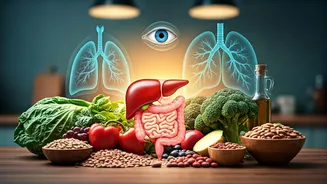
Our eyes endure significant stress from prolonged screen exposure, inadequate lighting, and insufficient sleep, all of which can gradually impair vision. To counteract this, incorporating foods rich in essential
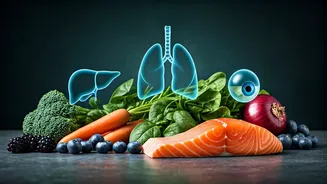
nutrients is crucial. Carrots and sweet potatoes are excellent sources of beta-carotene, a precursor that the body converts into Vitamin A, a vital component for maintaining healthy eyesight. Furthermore, Amla, also known as Indian gooseberry, is packed with Vitamin C, an antioxidant that plays a protective role for the retina against cellular damage caused by free radicals. Making it a point to consume at least one orange-hued vegetable daily is a simple yet effective habit that actively supports ocular health and mitigates the cumulative effects of digital eye strain over time.
Fortifying Your Lungs
While breathing might seem effortless, the health of our lungs is intrinsically linked to our dietary habits. Environmental pollutants, stress, and infections can all contribute to respiratory irritation. Fortunately, common kitchen staples offer natural protective benefits. Ginger and turmeric, prevalent in Indian culinary traditions, possess potent anti-inflammatory compounds like gingerol and curcumin, respectively, which can soothe inflamed airways. Additionally, citrus fruits, brimming with Vitamin C, provide antioxidant protection to lung tissues, defending them against oxidative stress triggered by environmental toxins. Research from the NIH underscores the role of antioxidants such as Vitamin C in mitigating lung damage from external stressors. Integrating fresh ginger and turmeric into your morning routine, perhaps in tea or warm water, is a small change that can promote easier breathing, especially in urban environments where air quality can be a concern.
Revitalizing Your Liver
The liver is a tireless organ, diligently filtering toxins, processing fats, and regulating metabolism, yet it often goes unnoticed until issues arise. Supporting its function through diet is paramount. Cruciferous vegetables like broccoli are rich in sulforaphane, a compound that stimulates the liver's natural detoxification enzymes. Green tea, abundant in catechins, aids in fat metabolism, while the inclusion of olive oil can help reduce the buildup of unhealthy fats within liver cells. Studies from the NIDDK emphasize the direct impact of dietary choices on preventing conditions like fatty liver disease. Transitioning to olive oil as a primary cooking fat, though seemingly minor, can significantly reduce the burden on the liver and contribute to better overall metabolic health over extended periods.
Cultivating Gut Health
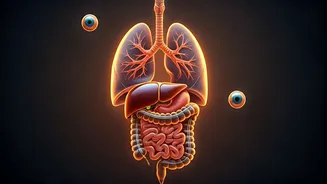
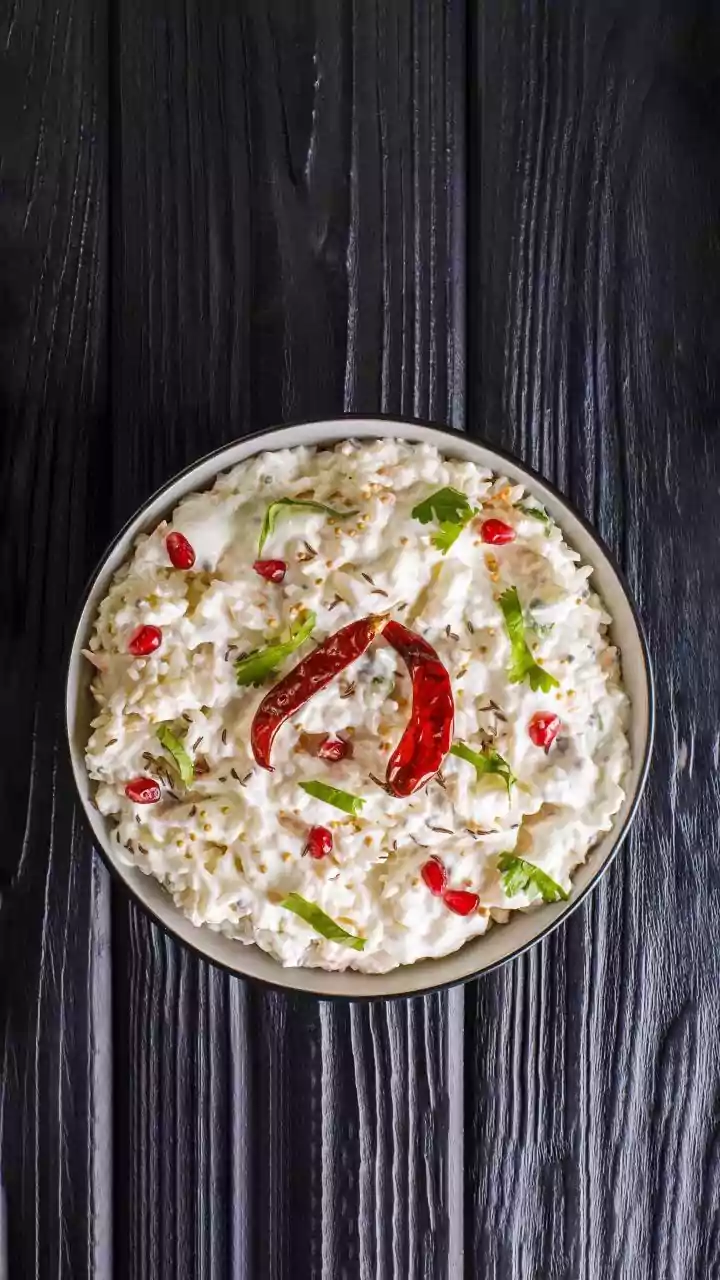
Often referred to as the 'second brain,' the gut profoundly influences digestion, immunity, and even our emotional state. Maintaining a healthy gut hinges on a precise equilibrium between beneficial bacteria and the integrity of the gut lining. Curd, or yogurt, provides live probiotics, the essential good bacteria that help sustain this delicate balance. Meanwhile, bananas and chia seeds serve as prebiotics, acting as nourishment for these beneficial bacteria and reinforcing the gut barrier. A well-balanced gut microbiome, as supported by scientific consensus, enhances nutrient absorption and reduces the prevalence of inflammatory conditions. Enjoying a simple bowl of curd sprinkled with chia seeds is more than just a snack; it's a conscious effort to nurture the internal ecosystem that underpins our comprehensive health, often alleviating discomfort like bloating.
The Power of Small Choices
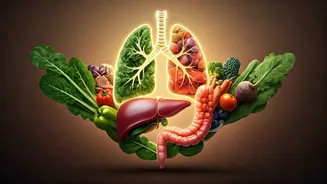
Achieving optimal health is not an instantaneous transformation but rather a cumulative outcome of daily decisions. The food selections made today lay the groundwork for how our bodies function years down the line. This approach to nutrition is characterized by thoughtfulness rather than restriction. Incorporating simple elements like a pinch of turmeric, a serving of curd, or a handful of citrus fruits are uncomplicated choices, yet their positive repercussions are substantial and enduring, contributing to the overall well-being of multiple organ systems.