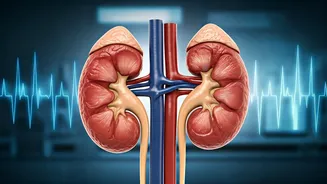







Silent Killer Explained
High blood pressure, often dubbed the 'silent killer,' is a condition that frequently goes unnoticed until it has progressed significantly. Many individuals remain unaware of their elevated readings because
the condition typically lacks obvious symptoms. People often feel perfectly normal even with high blood pressure, and noticeable signs like headaches or chest pain usually only emerge when the condition has reached severe levels or has already led to serious complications. This lack of early warning signs means that high blood pressure is frequently discovered during routine health screenings or when individuals seek medical evaluation for other, unrelated health issues, underscoring the importance of proactive monitoring.
Home Monitor Pitfalls
While home blood pressure monitors can be valuable tools, their accuracy is heavily dependent on correct usage. Several common mistakes can lead to misleading readings. These include using a cuff that is the wrong size for your arm, not allowing sufficient time to recover after physical activity, consuming caffeine, or smoking before taking a measurement. Poor posture, such as sitting with crossed legs or without back support, and failing to rest for at least five minutes prior to measurement can also skew results. Furthermore, talking during the measurement process can influence the reading. For accurate home monitoring, it's essential to maintain a calm environment, measure at similar times daily, and ensure the arm is positioned correctly at heart level.
Consistent Tracking Tips
To effectively track blood pressure, consistency is paramount. It's recommended to take readings at the same time each day. If your doctor advises twice-daily checks, ensure you measure in the morning and evening. When taking multiple readings within a single session, complete two measurements and then calculate their average to get a more reliable figure. Maintaining a log, whether digital or on paper, is crucial. This log should include the date, time, and any pertinent details like stress levels, medication intake, or recent exercise. Your physician can then interpret this data. Analyzing trends over an extended period provides far more valuable insights than any single blood pressure result.
When to Seek Advice
Medical consultation is advised if your blood pressure readings consistently exceed 140 mmHg systolic or 90 mmHg diastolic. Additionally, any sudden onset of symptoms such as severe headaches, chest pain, shortness of breath, or visual disturbances should prompt immediate medical attention. Visiting a physician promptly is vital because they can initiate a tailored treatment plan, which may involve lifestyle modifications or prescription medication. Early intervention is key to preventing severe health issues like heart disease, stroke, and kidney failure.
Monitoring Frequency
For healthy adults aged 20-30 with no known risk factors for hypertension, blood pressure screening should occur at least every six to 12 months as part of regular check-ups. However, individuals with identified risk factors, such as a family history of hypertension, obesity, diabetes, or a sedentary lifestyle, should monitor their blood pressure more frequently, ideally every three to six months. Regular monitoring plays a critical role in the early detection of high blood pressure and the prevention of its associated complications.