
Introduction: Winter Snacking
Winter season brings with it a craving for warm, comforting foods, making snacks an essential part of the culinary experience. Chef Sanjeev Kapoor, a renowned culinary expert, provides a curated list of snack recipes
that perfectly complement the colder months and the beloved tradition of enjoying tea. These recipes focus on crispy, crunchy textures and bold flavors, providing a delightful contrast to the season's coolness. The article unveils five distinct snack options, each promising a unique taste and easy preparation, encouraging readers to experiment and discover their own favorites. These snacks aren't just about taste; they are designed to bring joy and warmth during the winter season. The recipes cater to various preferences, ensuring everyone finds something they love, making winter tea-time even more special. The focus is on accessible ingredients and straightforward methods, making these recipes suitable for both seasoned cooks and those new to the kitchen.
Samosa: A Classic Treat
Samosas, a beloved snack across India, hold a special place in the hearts of many, and Chef Kapoor's recipe highlights the perfect balance of crispy exterior and flavorful filling. The recipe details the creation of the signature flaky crust, ensuring a satisfying crunch with every bite. The filling typically consists of spiced potatoes, peas, and sometimes other vegetables, carefully seasoned to provide a rich and savory taste. The process involves creating the dough, preparing the filling, assembling the samosas, and finally, deep-frying them to golden perfection. Serve samosas hot with chutney or dips for a complete experience. The warmth of a freshly made samosa is particularly enjoyable in winter, making it a perfect match for a cup of hot tea. Chef Kapoor's recipe often includes tips for achieving the best texture and taste, guiding readers to recreate this popular snack at home. This classic snack stands as a symbol of comfort and culinary heritage.
Pakora: Crispy Delights
Pakoras, another favorite, are made by deep-frying vegetables or other ingredients dipped in a seasoned gram flour (besan) batter. Chef Kapoor's recipe often offers variations, including pakoras made from onion, potato, spinach, or cauliflower, allowing for a diverse range of flavors and textures. The key to a good pakora lies in the batter's consistency and the choice of spices. Common spices used include turmeric, red chili powder, and ajwain, which enhance the flavor and aid in digestion. The preparation involves dipping the vegetables in the batter and deep-frying them until golden and crispy. The hot oil transforms the batter into a crunchy shell, while the vegetables inside remain tender and flavorful. Pakoras are best served immediately after frying, accompanied by chutney or ketchup. This snack is perfect during the cold winter evenings, providing a warm and comforting treat. The process is relatively simple, making it an excellent choice for a quick snack.
Mathri: Savory Crisps
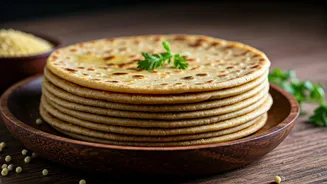
Mathri, a crispy and savory Indian snack, is often enjoyed during tea time. Chef Kapoor's recipe typically involves creating a stiff dough from all-purpose flour, semolina, and seasonings such as ajwain, and kasuri methi (dried fenugreek leaves). The dough is then rolled out and cut into shapes before being deep-fried until golden and crispy. The addition of spices such as carom seeds adds a unique flavor and aroma. Mathri offers a satisfying crunch and a savory taste that pairs well with tea. This snack can also be flavored with other spices like black pepper or red chili flakes for added complexity. It's a great option for those who enjoy a flavorful yet simple snack. Mathri is shelf-stable, making it a convenient snack to have on hand during the winter months. Mathri's simplicity doesn't compromise on flavor, making it a consistently popular choice.
Namak Para: Crunchy Bites
Namak Para, similar to mathri but often elongated or diamond-shaped, is another perfect snack for enjoying with chai. Chef Kapoor's recipe starts with a dough prepared from all-purpose flour, seasoned with salt, and sometimes carom seeds (ajwain). The dough is kneaded and then rolled out thinly, before being cut into small, bite-sized pieces and deep-fried until they turn golden brown and crispy. The simplicity of namak para lies in its few ingredients and easy preparation, making it a favorite for those wanting a quick and easy snack. Namak Para has a slightly salty taste, which is perfect to accompany tea. The crispy texture and mild flavor make namak para a great option for enjoying with tea. This snack is also a convenient option, as it can be stored for several days. Enjoying namak para can elevate the winter snacking experience with its delightful crunch and straightforward appeal.