






Mission's Unraveling
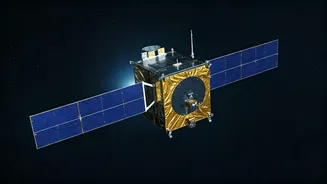
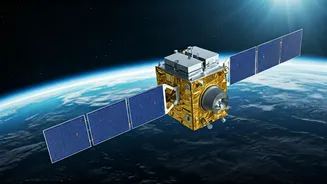
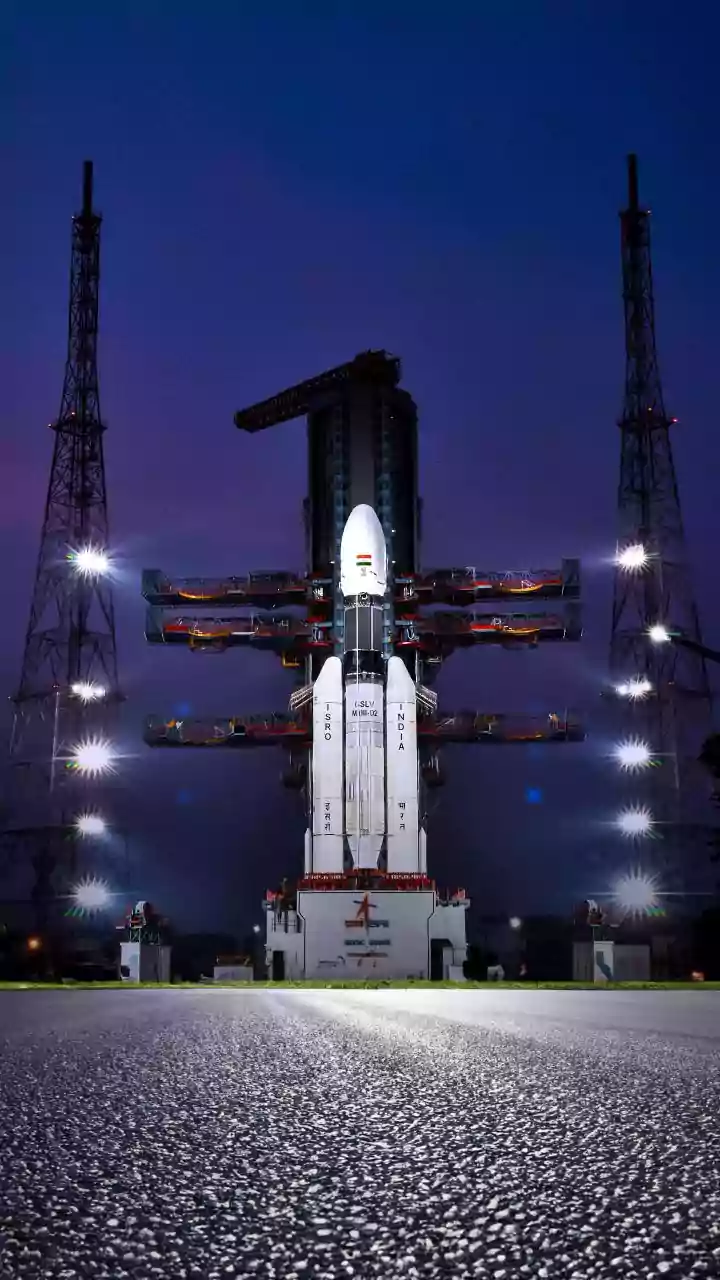
The PSLV-C62 mission, launched from the Satish Dhawan Space Centre in Sriharikota, was designed to deploy 14 satellites into orbit. However, shortly after liftoff, an issue was detected, leading to the rocket
veering off course. ISRO confirmed the occurrence of an anomaly, which subsequently led to the mission's failure. This mission was pivotal, as it was the initial space endeavor for India in 2026. This incident has raised concerns about the overall progress and strategy of ISRO in achieving its ambitious goals within the realm of space exploration.
Impact and Analysis
The failure of PSLV-C62 has significant repercussions for the wider scope of the Indian space program. Primarily, the setback affects the launch schedule and the timeframe for future missions that were dependent on a successful deployment. Furthermore, the incident requires in-depth investigation to identify the root cause of the anomaly. This investigation aims to prevent similar issues in subsequent missions, ensuring that ISRO can continue to push boundaries and pursue its aspirations in the space sector. The failure prompts a deeper examination into the intricacies of space technology and operation.
Looking Ahead
Despite the hurdle, ISRO's commitment to space exploration remains firm. The focus now shifts towards understanding the reasons behind the PSLV-C62 failure and implementing corrective measures. The upcoming space mission scheduled for 2026 represents a crucial opportunity for ISRO to recover and reinforce its capabilities. The space agency will likely conduct thorough reviews of its procedures, rocket design, and overall mission protocols. The Indian space program is expected to learn from this experience, further solidifying its position in the global space community and preparing for long-term growth and success.