



Unprecedented Travel Time
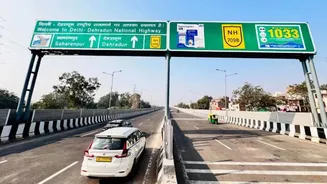
The Delhi-Dehradun Economic Corridor marks a significant advancement in inter-city connectivity, dramatically reducing the journey between the nation's capital and the picturesque city of Dehradun. Previously,
this trip could take up to six hours, but with the advent of this new expressway, travelers can anticipate reaching their destination in an astonishingly short 2.5 hours. This drastic cut in travel time is poised to revolutionize how people commute for both leisure and business purposes between these two important locations, making day trips or spontaneous visits more feasible than ever before. The economic corridor is envisioned as a catalyst for enhanced movement and accessibility, fostering greater interaction and opportunity.
Eco-Conscious Engineering
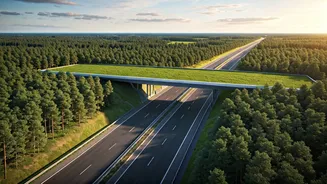
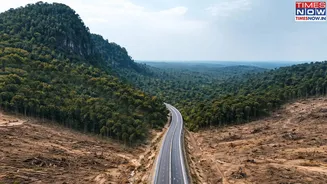
A paramount consideration in the planning of the Delhi-Dehradun Economic Corridor was the ecological sensitivity of the region it traverses, particularly the Rajaji National Park. To mitigate human-wildlife conflict and ensure the unimpeded movement of fauna, engineers have incorporated several innovative features. These include a remarkable 12-kilometer-long elevated wildlife corridor, positioning it as one of Asia's most extensive. Additionally, the design features eight dedicated animal crossings and two substantial elephant underpasses, each measuring 200 meters. A 370-meter tunnel near the Daat Kali temple further supports safe passage for wildlife, demonstrating a strong commitment to environmental preservation alongside infrastructure development.
Extensive Network Details
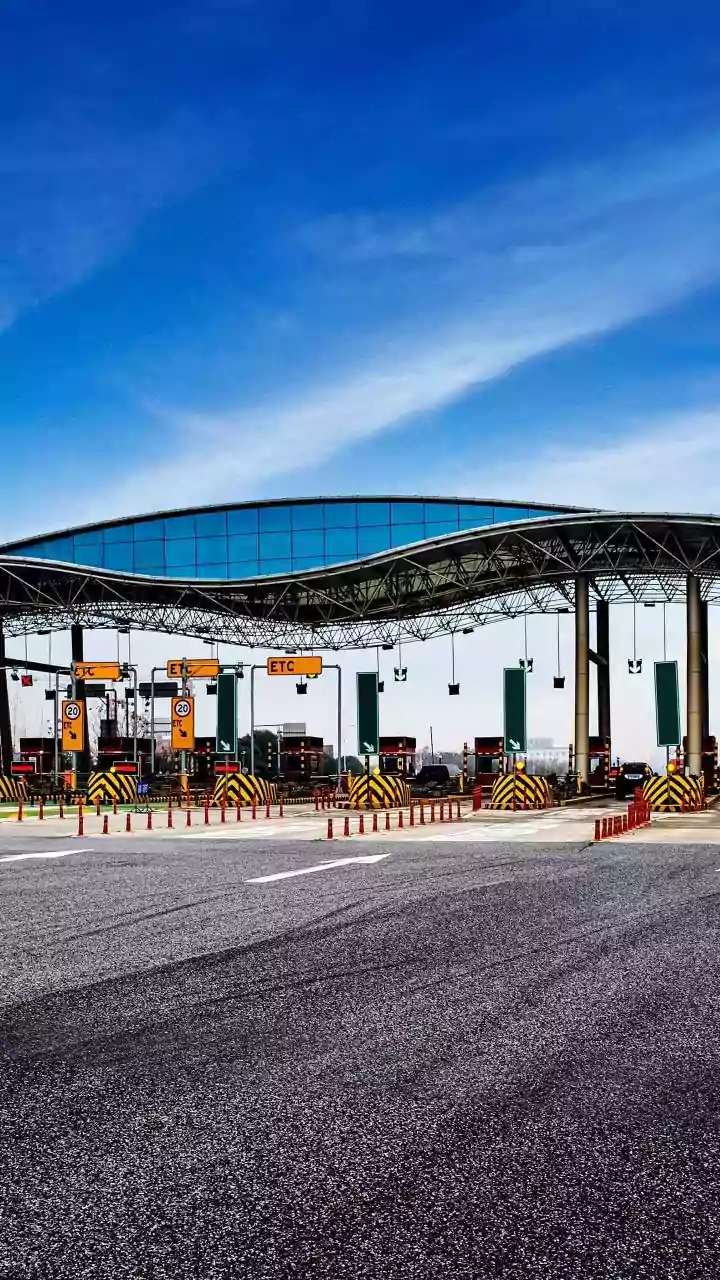
Spanning an impressive 213 kilometers, the Delhi-Dehradun Economic Corridor is an extensive undertaking designed for efficiency and accessibility. For users of the FASTag system with annual passes, the toll for a one-way journey across its four toll plazas is expected to be just over Rs 60. The project, a six-lane, access-controlled highway, was constructed at a substantial investment exceeding Rs 12,000 crore. Its route strategically passes through three key states: Delhi, Uttar Pradesh, and Uttarakhand, aiming to create a seamless link. The corridor also boasts 10 interchanges, three railway over bridges, four major bridges, and 12 wayside amenities to ensure smooth, high-speed transit and convenience for all users.
Phased Development Stages
The construction of the Delhi-Dehradun Economic Corridor was meticulously planned and executed in four distinct phases to manage its vast scope and complexity. The initial 31.6-kilometer stretch, running from Akshardham to Khekra near the Eastern Peripheral Expressway, predominantly involved upgrading an existing route into a six-lane elevated road, complete with a parallel service lane. The second phase, a substantial 120-kilometer section from the EPE interchange at Baghpat to the Saharanpur bypass, was developed entirely as a greenfield project, meaning it was built on new land. The third phase, approximately 42 kilometers from Saharanpur bypass to Ganeshpur in Uttarakhand, has already been completed. Finally, the last segment, about 20 kilometers from Ganeshpur to Dehradun, includes a 4.6-kilometer upgraded section, with the remainder being newly constructed.
Optimized Speed & Safety
To facilitate rapid yet safe travel, the Delhi-Dehradun Economic Corridor has been designed with specific speed limits in mind. For trucks, the authorized speed limit is set at 80 kilometers per hour, while cars are permitted to travel at up to 100 kilometers per hour. Complementing these speed regulations, the expressway is equipped with an Advanced Traffic Management System. This integrated system is crucial for enhancing overall safety, monitoring traffic flow, and improving the efficiency of the entire travel experience. These measures collectively ensure that the significant reduction in travel time does not compromise the well-being of commuters.
Economic Catalysis Potential
Beyond its immediate benefit of drastically reduced travel times, the Delhi-Dehradun Economic Corridor is anticipated to serve as a powerful engine for regional economic growth. By significantly improving connectivity between key tourist destinations and important commercial centers, the expressway is expected to foster greater economic activity. This enhanced accessibility will likely stimulate new opportunities for trade, tourism, and local development. The improved flow of goods and people is projected to benefit businesses operating in and around the corridor, encouraging investment and creating a more dynamic economic landscape across Delhi, Uttar Pradesh, and Uttarakhand.