






Art Deco's Centennial
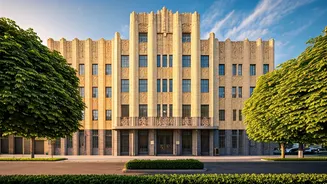
This year marks a significant milestone, the 100th anniversary of the Art Deco architectural style, characterized by its distinctive geometric patterns, streamlined forms, and bold motifs like zigzags
and sunbursts. To commemorate this occasion, a fervent appeal has been issued by conservation architects and heritage aficionados in Kolkata for the diligent safeguarding and innovative adaptive reuse of the city's impressive collection of Art Deco buildings. This call to action is inspired by the successful preservation models seen in cities like Miami, which have leveraged their Art Deco assets to boost tourism and economic vitality. The aim is to bring Kolkata's often-underappreciated Art Deco treasures into the global spotlight, recognizing their immense value not just aesthetically, but as crucial elements of urban historical narrative. The global celebration provides a perfect opportune moment to reintroduce these architectural marvels to the world as both historical artifacts and dynamic cultural resources with international appeal.
Kolkata's Deco Inventory
Kolkata boasts an extraordinary Art Deco legacy, with an estimated 400 buildings still standing, a testament to the style's widespread adoption in the city. This impressive collection encompasses a diverse range of structures, from striking commercial facades and utilitarian residential blocks to charming neighborhood streets adorned with repeating Deco details. The inventory also includes significant buildings like offices, cinemas, apartment complexes, and private homes, each reflecting the era's design sensibilities. Intriguingly, the adoption of Art Deco in Kolkata occurred concurrently with its evolution in Europe and America, highlighting the city's engagement with international trends during that period. Researchers like Adhiraj Bose suggest that Kolkata's Art Deco inventory has the potential to be recognized as one of India's most significant collections, with global acclaim being a realistic aspiration, underscoring the unique historical and architectural importance of these structures within the Indian context.
A Tale of Transition
The Art Deco buildings in Kolkata, primarily erected between the mid-1920s and the mid-1950s, serve as enduring markers of a pivotal era when the city navigated profound economic and social transformations. These architectural endeavors emerged during a period of noticeable affluence and persisted through times of considerable hardship, effectively documenting the shifting aspirations of the populace. They reflect a burgeoning confidence in emerging technologies, new ways of living, and the cultivation of a cosmopolitan identity, all while the city grappled with inherent turbulence and change. As Joseph Loundy, president of the Chicago Art Deco Society, noted, this was a time that transitioned from great prosperity to significant poverty, a compelling narrative that warrants wider dissemination. The buildings themselves stand as physical embodiments of this dynamic historical arc, offering insights into the societal shifts and the evolving urban fabric of Kolkata.
Cultural and Economic Significance
The profound significance of Kolkata's Art Deco buildings extends beyond their visual charm; they offer invaluable insights into the city's layered urban history and the lives of those connected to them. Mukul Agarwal, founder of the Calcutta Heritage Collective, emphasizes that these structures chronicle the city's interaction with global design movements while simultaneously expressing local tastes and social ambitions. Culturally, Art Deco represented a forward-thinking aesthetic, embracing new materials and construction techniques that starkly contrasted with earlier colonial classicism. Its rise coincided with evolving patterns of leisure and consumption, particularly in entertainment and retail, where dramatic lighting, prominent signage, and striking façade compositions were employed to project an aura of glamour and novelty. This makes Kolkata's Art Deco a unique asset, capable of drawing international attention and significantly contributing to India's heritage tourism map, potentially mirroring Miami's economic success.